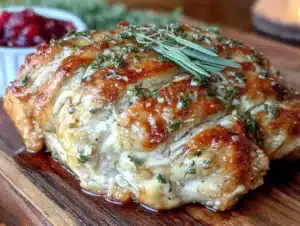
I figured a turkey breast would be dry and bland, just the obligatory white meat nobody really fights over. It took about twenty minutes of basting a whole bird for a party of twelve to realize there had to be a better way. That first Thanksgiving I cooked on my own, I pulled out a dry, stringy breast that needed a swimming pool of gravy to be edible. Honestly, I swore off turkey altogether for a while. Then a friend casually mentioned rubbing sage butter under the skin of just a breast, not the whole bird, and roasting it low and slow. I scoffed, but I tried it. The skin turned crackling gold, and the meat was so juicy it barely held its shape when I sliced it. That was the moment I stopped fearing turkey and started looking forward to it. This Perfect Sage Butter Turkey Breast for Small Gatherings is the recipe I make when I want the holiday feeling without the holiday stress. It is the kind of meal that makes you close your eyes after the first bite and forget you ever struggled with dry poultry.
Why You Will Love This Recipe
This recipe is built for real life, not for magazine covers. It delivers all the flavor and comfort of a traditional roast turkey but on a scale that actually makes sense for a Tuesday night or a small Friendsgiving. You get the impressive presentation and the incredible aroma without committing to a twenty-pound bird and three days of leftovers.
- Perfectly Sized for Small Gatherings: A bone-in turkey breast feeds four to six people comfortably. No more wrestling with a giant bird or eating turkey sandwiches for two weeks straight.
- Incredibly Juicy, Never Dry: The sage butter works like magic. It is rubbed both under the skin and all over the outside, creating a moisture barrier that locks in juices. The breast stays tender and succulent every single time.
- Simple, Pantry-Friendly Ingredients: You need butter, fresh sage, garlic, salt, and pepper. That is it. No fancy marinades, no obscure spice blends, no trips to a specialty store.
- Impressive Without the Stress: This dish looks like you spent hours in the kitchen, but the hands-on prep time is under fifteen minutes. The oven does the heavy lifting while you relax.
- Versatile for Any Occasion: It works for a holiday dinner, a Sunday roast, or even a special weeknight meal. Pair it with mashed potatoes and roasted vegetables, and you have a feast.
What makes this recipe different from the rest is the technique of really getting that sage butter deep into the meat by loosening the skin. That one step changes everything. It is not just another roasted turkey breast. It is the one that makes people ask for the recipe before they finish their plate. It is comfort food reimagined, faster and more manageable, but with the same soul-soothing satisfaction that only a perfectly roasted bird can deliver.
What Ingredients You Will Need
This recipe uses simple, wholesome ingredients to deliver bold, savory flavor without the fuss. The star is the combination of fresh sage and good quality butter, which creates a rich, aromatic crust that makes the turkey taste like a holiday centerpiece.
- 1 bone-in, skin-on turkey breast (about 5 to 6 pounds): This is the ideal size for a small gathering. Look for a breast that feels firm and has the skin still attached. The bone helps conduct heat and keeps the meat moist. If you can, ask your butcher for a fresh one, but frozen works fine if thawed completely in the refrigerator.
- 1/2 cup (1 stick) unsalted butter, softened: Use a high-quality butter like Kerrygold or Plugrà for the best flavor. The butter needs to be at room temperature so it spreads easily under the skin. Softened butter mixes with the sage and garlic much better than cold butter.
- 3 tablespoons fresh sage leaves, finely chopped: Fresh sage is non-negotiable here. Dried sage has a different, more musty flavor that will not give you the same bright, peppery taste. Roll the leaves together and slice them thinly, then chop them a bit more. You want them small enough to mix evenly into the butter.
- 4 cloves garlic, minced: Fresh garlic adds a pungent, savory depth that complements the sage. Use a microplane or a fine grater for the best texture. If you are in a hurry, jarred minced garlic works, but fresh is noticeably better.
- 1 1/2 teaspoons kosher salt: Do not skimp on the salt. It seasons the meat all the way through, not just the surface. Diamond Crystal kosher salt is my go-to because it is less salty by volume than Morton’s, so adjust if you use a different brand.
- 1/2 teaspoon black pepper, freshly ground: Freshly ground pepper has a floral, spicy kick that pre-ground pepper lacks. Grind it right before you use it for the best aroma.
- 1 tablespoon olive oil: A little oil helps the skin crisp up and brown evenly. It also helps the salt and pepper stick to the surface.
- 1 cup chicken or turkey broth: This goes in the bottom of the roasting pan. It creates steam that keeps the meat moist and forms the base for a quick, delicious pan sauce.
Equipment Needed
You do not need a lot of fancy gear for this recipe, which is part of its charm. A few basic kitchen tools will get the job done beautifully.
- Small roasting pan or a 9×13-inch baking dish: The pan should be just big enough to hold the turkey breast without crowding it. A snug fit helps the broth create steam and prevents the juices from burning.
- Instant-read thermometer: This is the most important tool for perfect turkey. Guessing doneness leads to dry meat. A reliable thermometer takes the guesswork out completely.
- Kitchen shears or a sharp knife: You will need these to cut the turkey breast in half after it rests. Kitchen shears make the job effortless.
- Small bowl for mixing the sage butter: Any small bowl works. I use a ceramic one that fits in my hand.
- Pastry brush or spoon: For brushing the melted butter mixture over the skin after basting. A silicone brush is easy to clean.
If you do not have a roasting pan, a cast iron skillet works wonderfully. It holds heat well and helps the skin get extra crispy. I have also used a disposable aluminum pan in a pinch, and it works fine, just make sure to put it on a sturdy baking sheet for support.
Preparation Method
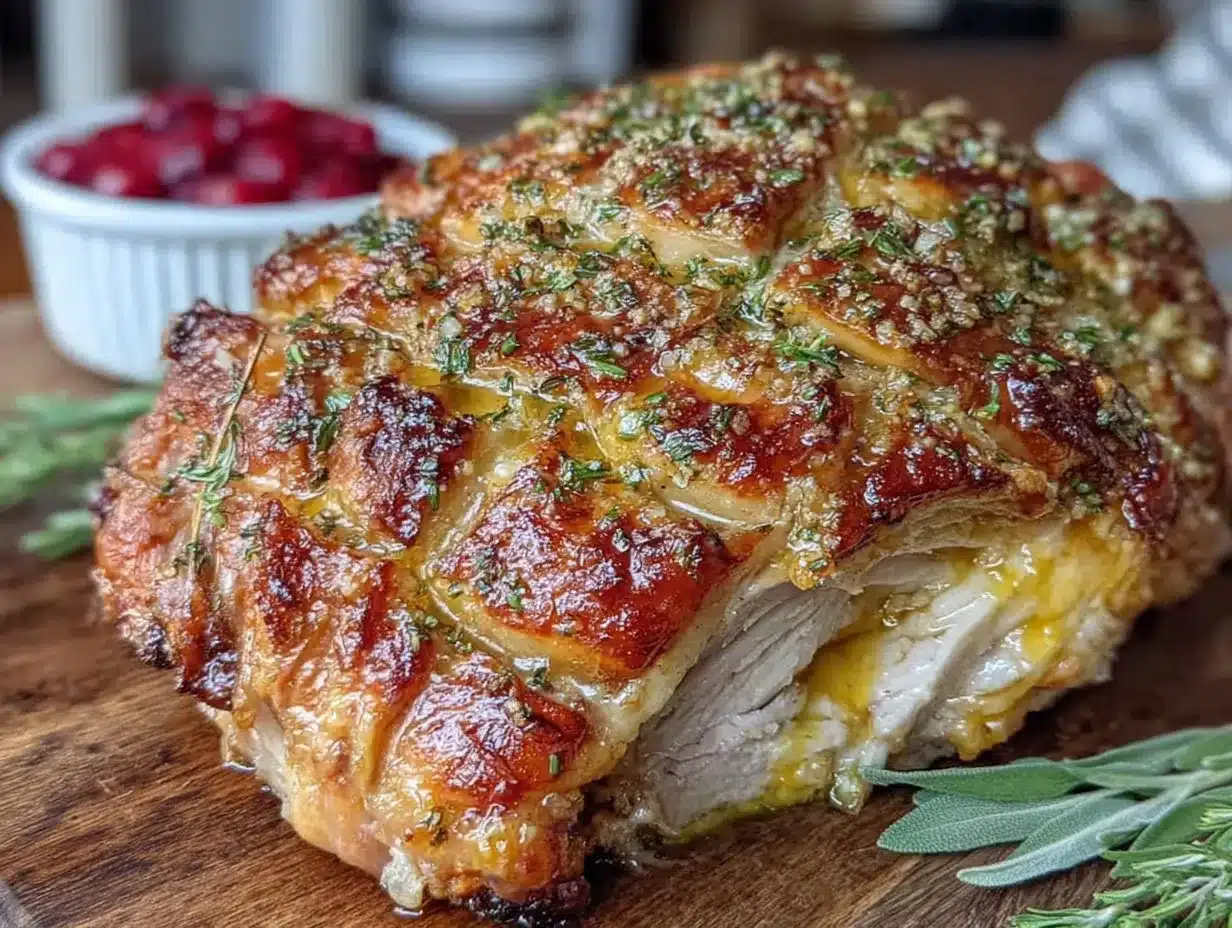
This method is straightforward, but a few specific steps make all the difference. Follow them closely, and you will have a turkey breast that is juicy, flavorful, and beautifully browned.
- Preheat your oven to 375°F (190°C). Give it a full 20 minutes to come to temperature. A properly preheated oven ensures even cooking from the start.
- Pat the turkey breast completely dry with paper towels. This step is crucial. Any moisture on the skin will steam instead of crisp. Take your time and really dry every nook and cranny. Let the turkey sit on a plate for 10 minutes after drying to air out a bit more.
- Make the sage butter. In a small bowl, combine the softened butter, chopped sage, minced garlic, 1 teaspoon of the kosher salt, and 1/4 teaspoon of the black pepper. Mash it all together with a fork until it is a uniform, fragrant paste. Taste a tiny bit on your finger, it should taste savory and bright. If it tastes flat, add a pinch more salt.
- Loosen the skin. This is the most important step. Gently slide your fingers under the skin of the turkey breast, starting from the wide end. Work your hand slowly between the skin and the meat, being careful not to tear the skin. You want to create a pocket that covers the entire breast. It feels a little weird the first time, but you will get the hang of it.
- Spread the sage butter under the skin. Take about two-thirds of the sage butter and push it under the loosened skin. Use your fingers to spread it evenly over the meat. Massage it gently from the outside to make sure it covers the whole breast. This butter will melt into the meat as it roasts, keeping it incredibly moist.
- Rub the outside of the turkey. Take the remaining butter and rub it all over the outside of the skin. Do not forget the sides and the ends. This will help the skin brown and get crispy.
- Season the turkey. Drizzle the olive oil over the skin and rub it in gently. Sprinkle the remaining 1/2 teaspoon of salt and 1/4 teaspoon of pepper evenly over the entire surface. You want a nice, even coating.
- Place the turkey in the roasting pan. Pour the chicken broth into the bottom of the pan, being careful not to wash the seasoning off the turkey. The broth should not touch the skin. It should sit below the turkey.
- Roast the turkey breast. Place the pan in the preheated oven. Roast for about 1 hour and 15 minutes to 1 hour and 30 minutes. The exact time depends on the size of your breast and your oven. Start checking the internal temperature at the 1-hour mark.
- Baste halfway through. After about 45 minutes, open the oven and spoon some of the pan juices over the turkey breast. This helps keep the skin moist and adds flavor. Do this once or twice more during the last 30 minutes of cooking.
- Check for doneness. The turkey is done when an instant-read thermometer inserted into the thickest part of the breast (without touching the bone) reads 155°F to 160°F (68°C to 71°C). The temperature will continue to rise as it rests. Do not let it go above 165°F (74°C) in the oven, or it will start to dry out.
- Rest the turkey. Once the turkey is done, remove it from the oven and transfer it to a cutting board. Loosely tent it with aluminum foil. Let it rest for at least 15 to 20 minutes. This is not optional. Resting allows the juices to redistribute throughout the meat. If you cut into it right away, all those beautiful juices will run out onto the board.
- Slice and serve. After resting, use a sharp knife to cut the breast away from the bone. Slice it against the grain into 1/2-inch thick pieces. Arrange the slices on a warm platter and spoon a little of the pan juices over the top.
One time, I forgot to loosen the skin before adding the butter. I ended up with a lumpy, uneven layer of butter that melted off into the pan. The turkey was still good, but the skin was not as crispy, and the meat was not as evenly flavored. Learn from my mistake. Take the extra 30 seconds to get your fingers under there.
Cooking Tips & Techniques
Over the years, I have made this recipe more times than I can count, and I have learned a few things the hard way. Here are the tips that make the difference between a good turkey and a great one.
Start with a cold turkey. I know many recipes tell you to let the turkey come to room temperature, but for a breast, I find it works better if it is still slightly cold from the fridge. The cold meat helps the butter solidify on the surface and under the skin before it melts away. If the turkey is too warm, the butter slides right off.
Use a thermometer, not a timer. Ovens vary wildly. I have roasted a 5-pound breast in 75 minutes in one oven and 90 minutes in another. The only way to know for sure is to use an instant-read thermometer. Start checking at the 60-minute mark. When it hits 155°F, pull it out. Carryover cooking will bring it to a safe 160°F or 165°F while it rests.
Do not open the oven too often. Every time you open the door, heat escapes, and your cooking time increases. Resist the urge to check on it constantly. Stick to the basting schedule and trust your thermometer.
Make a quick pan sauce. After you remove the turkey, place the roasting pan on the stovetop over medium heat. Whisk in a tablespoon of flour and cook for a minute. Then slowly whisk in a cup of chicken broth or white wine. Simmer until thickened, scraping up the browned bits from the bottom of the pan. Season with salt and pepper. This sauce is liquid gold.
Let it rest, seriously. I ruined my first few turkey breasts by slicing into them too soon. The meat was dry and tough because all the juices ended up on the cutting board. Now I set a timer for 20 minutes and walk away. The difference is night and day.
Variations & Adaptations
This recipe is a fantastic base, and you can easily adapt it to suit your taste or what you have on hand. Here are a few of my favorite variations.
- Herb Swap: Not a fan of sage? No problem. Use fresh rosemary, thyme, or a combination of both. Rosemary and garlic butter is a classic combination that works beautifully. Thyme adds a more subtle, earthy flavor.
- Citrus Twist: Add the zest of one lemon or orange to the sage butter. The citrus brightness cuts through the richness of the butter and turkey. You can also squeeze a little juice into the pan broth for extra flavor.
- Spicy Version: Add 1/2 teaspoon of red pepper flakes or a minced chipotle pepper in adobo sauce to the butter. The heat pairs surprisingly well with the sage and creates a more complex flavor profile.
- Garlic Lovers: Roast a whole head of garlic alongside the turkey. Squeeze the soft, caramelized cloves into the pan sauce at the end. It adds a sweet, mellow garlic flavor that is completely different from the raw garlic in the butter.
- Dairy-Free Adaptation: Substitute the butter with a high-quality vegan butter or olive oil. The texture will be slightly different, and the skin might not get quite as crispy, but the flavor will still be excellent. Use a good extra-virgin olive oil for the best result.
I once made this with a mix of sage and lemon zest for a spring dinner party. Everyone raved about how bright and fresh it tasted. It is now my go-to for warmer months.
Serving & Storage Suggestions
This Perfect Sage Butter Turkey Breast is a showstopper on its own, but the right sides and serving method make it a complete meal.
Serving Temperature: Serve the turkey warm, right after it has rested. Slice it and arrange it on a platter. Spoon a little of the warm pan juices over the top to keep it moist and add shine.
What to Serve With It: This turkey pairs beautifully with classic sides. Try it with creamy mashed potatoes, roasted root vegetables, or a simple green salad. A side of creamy dill potato salad with bacon is a surprisingly good match, especially if you are going for a more casual vibe. For a heartier meal, serve it alongside cozy one-pot Tuscan white bean and sausage soup for a truly comforting dinner. A simple fresh watermelon feta mint skewers appetizer would also be a refreshing start to the meal.
Storage: Store leftover turkey in an airtight container in the refrigerator for up to 4 days. The meat will stay moist if you keep it covered with a little of the pan juices.
Reheating: The best way to reheat turkey without drying it out is in the oven. Place slices in a baking dish, add a splash of chicken broth or water, cover with foil, and warm at 325°F (160°C) for about 10 to 15 minutes. You can also reheat it in a skillet over medium-low heat with a little butter or broth. Avoid the microwave if you can, it tends to make the meat tough and rubbery.
Freezing: Cooked turkey freezes well for up to 3 months. Slice it, wrap it tightly in plastic wrap and then foil, and place it in a freezer bag. Thaw overnight in the refrigerator before reheating.
Flavor Development: The flavor of the turkey actually improves after a day in the fridge. The sage and garlic meld together, and the meat becomes even more tender. Leftovers are perfect for sandwiches, salads, or a quick turkey pot pie.
Nutritional Information & Benefits
Turkey breast is a lean, high-protein meat that is naturally low in fat. When prepared with butter, it becomes a more satisfying meal, but it is still a healthier choice than many other protein options.
- Estimated per serving (based on 6 servings): Approximately 350-400 calories, 35g protein, 20g fat, 2g carbohydrates. These values are estimates and will vary based on the size of your turkey and the amount of butter used.
- High in Protein: Turkey is an excellent source of complete protein, which is essential for muscle building and repair. A single serving provides a significant portion of your daily protein needs.
- Rich in B Vitamins: Turkey is a good source of B vitamins, including B6 and B12, which support energy metabolism and brain function.
- Low in Carbohydrates: This dish is naturally low in carbs, making it suitable for low-carb and keto-friendly diets. Pair it with non-starchy vegetables for a complete meal.
- Dietary Considerations: This recipe is gluten-free and nut-free. It can be made dairy-free by substituting the butter with olive oil or a vegan butter alternative.
- Potential Allergens: This recipe contains dairy (butter).
I love that this recipe feels indulgent but is actually quite balanced. It is the kind of meal that fills you up without weighing you down, leaving you satisfied and energized.
Conclusion
This Perfect Sage Butter Turkey Breast for Small Gatherings is the recipe I turn to when I want to feel like a holiday hero without the holiday chaos. It is proof that you do not need a whole bird or a complicated technique to create a memorable, delicious meal. The sage butter does all the heavy lifting, keeping the meat juicy and the skin perfectly crisp. Whether you are hosting a small Thanksgiving, a Sunday dinner, or just craving a comforting roast, this recipe delivers every single time. I hope you give it a try and make it your own. Maybe add a little extra garlic or a squeeze of lemon. The best recipes are the ones that adapt to you. Let me know how it turns out in the comments. I would love to hear about your own variations and successes.
Frequently Asked Questions
Can I use a frozen turkey breast for this recipe?
Yes, you can. Just make sure to thaw it completely in the refrigerator. A 5-pound breast will take about 24 to 36 hours to thaw. Do not try to rush it with warm water or a microwave, as it can lead to uneven cooking.
How do I know when the turkey breast is done without a thermometer?
I really recommend using a thermometer for the best results. If you do not have one, you can check by piercing the thickest part of the breast with a fork. The juices should run clear, not pink. The meat should also feel firm to the touch but not hard. However, this method is less reliable than using a thermometer.
Can I make the sage butter ahead of time?
Absolutely. You can make the sage butter up to 3 days in advance. Store it covered in the refrigerator. Let it come to room temperature for about 30 minutes before you use it so it is soft enough to spread under the skin.
What if my turkey skin is not getting crispy?
If the skin is not crisping up, you can increase the oven temperature to 425°F (220°C) for the last 10 to 15 minutes of cooking. Keep a close eye on it so it does not burn. Make sure you patted the skin very dry before roasting, as moisture is the enemy of crispiness.
Can I cook this in a slow cooker or an air fryer?
I have not tested this recipe in a slow cooker, as it is designed for oven roasting to achieve crispy skin. For an air fryer, you would need to cut the breast into smaller pieces and cook in batches. The cooking time would be much shorter, around 20 to 25 minutes at 375°F (190°C), but you would lose the beautiful pan juices for a sauce.
Pin This Recipe!
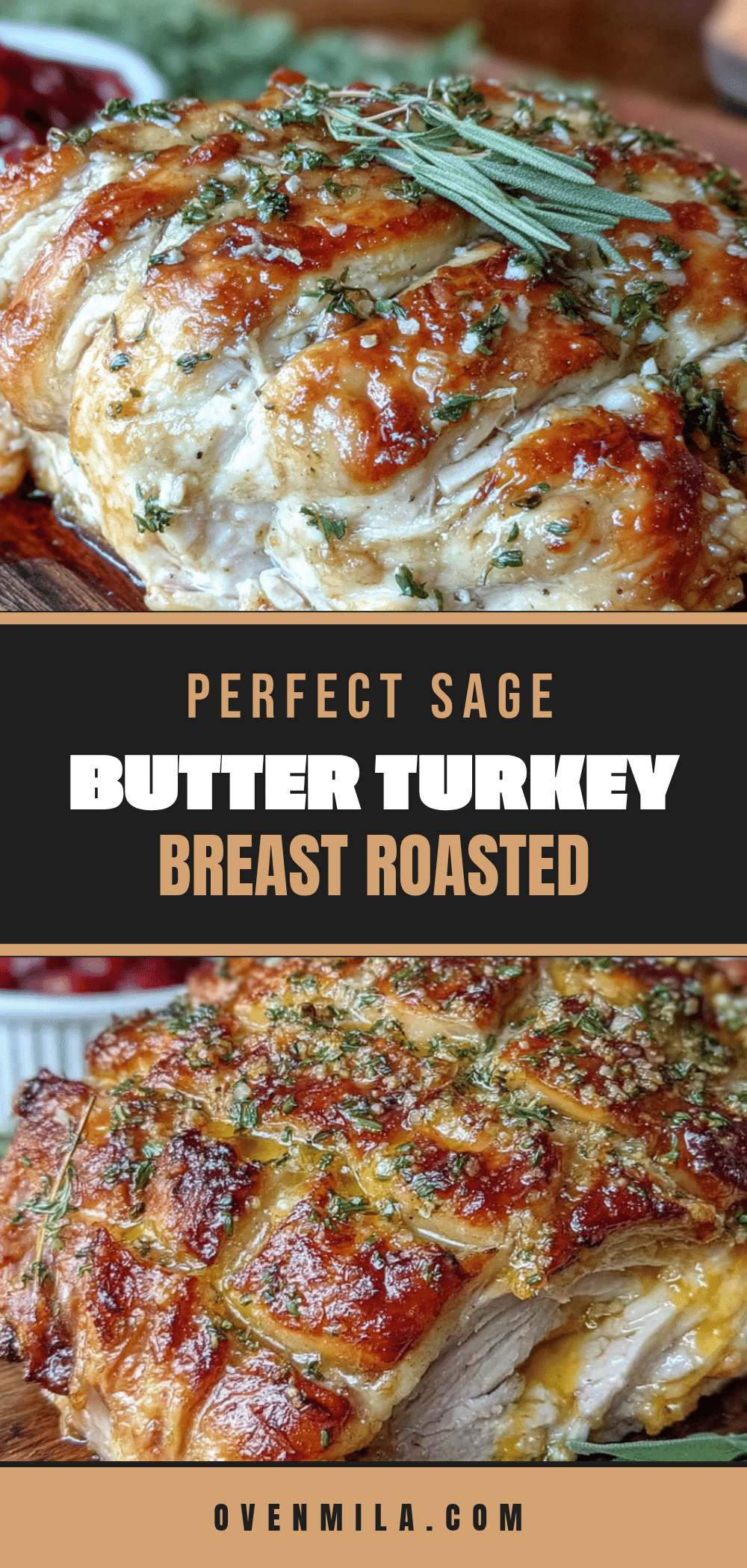
Perfect Sage Butter Turkey Breast for Easy Small Gatherings
This Perfect Sage Butter Turkey Breast for Small Gatherings is the recipe I make when I want the holiday feeling without the holiday stress. It is the kind of meal that makes you close your eyes after the first bite and forget you ever struggled with dry poultry.
- Prep Time: 15 minutes
- Cook Time: 1 hour 15 minutes to 1 hour 30 minutes
- Total Time: 1 hour 30 minutes to 1 hour 45 minutes
- Yield: 4 to 6 servings 1x
- Category: Main Course
- Cuisine: American
Ingredients
- 1 bone-in, skin-on turkey breast (about 5 to 6 pounds)
- 1/2 cup (1 stick) unsalted butter, softened
- 3 tablespoons fresh sage leaves, finely chopped
- 4 cloves garlic, minced
- 1 1/2 teaspoons kosher salt
- 1/2 teaspoon black pepper, freshly ground
- 1 tablespoon olive oil
- 1 cup chicken or turkey broth
Instructions
- Preheat your oven to 375°F (190°C). Give it a full 20 minutes to come to temperature.
- Pat the turkey breast completely dry with paper towels. Let it sit on a plate for 10 minutes after drying to air out.
- Make the sage butter. In a small bowl, combine the softened butter, chopped sage, minced garlic, 1 teaspoon of the kosher salt, and 1/4 teaspoon of the black pepper. Mash it all together with a fork until it is a uniform, fragrant paste.
- Loosen the skin. Gently slide your fingers under the skin of the turkey breast, starting from the wide end. Work your hand slowly between the skin and the meat, being careful not to tear the skin.
- Spread the sage butter under the skin. Take about two-thirds of the sage butter and push it under the loosened skin. Use your fingers to spread it evenly over the meat.
- Rub the outside of the turkey. Take the remaining butter and rub it all over the outside of the skin.
- Season the turkey. Drizzle the olive oil over the skin and rub it in gently. Sprinkle the remaining 1/2 teaspoon of salt and 1/4 teaspoon of pepper evenly over the entire surface.
- Place the turkey in the roasting pan. Pour the chicken broth into the bottom of the pan, being careful not to wash the seasoning off the turkey.
- Roast the turkey breast. Place the pan in the preheated oven. Roast for about 1 hour and 15 minutes to 1 hour and 30 minutes.
- Baste halfway through. After about 45 minutes, open the oven and spoon some of the pan juices over the turkey breast. Do this once or twice more during the last 30 minutes of cooking.
- Check for doneness. The turkey is done when an instant-read thermometer inserted into the thickest part of the breast (without touching the bone) reads 155°F to 160°F (68°C to 71°C).
- Rest the turkey. Once the turkey is done, remove it from the oven and transfer it to a cutting board. Loosely tent it with aluminum foil. Let it rest for at least 15 to 20 minutes.
- Slice and serve. After resting, use a sharp knife to cut the breast away from the bone. Slice it against the grain into 1/2-inch thick pieces. Arrange the slices on a warm platter and spoon a little of the pan juices over the top.
Notes
Start with a cold turkey for better butter adhesion. Use a thermometer, not a timer, for perfect doneness. Do not open the oven too often. Make a quick pan sauce from the drippings. Let the turkey rest for at least 15-20 minutes before slicing.
Nutrition
- Serving Size: 1 serving (based on
- Calories: 350400
- Sodium: 800
- Fat: 20
- Saturated Fat: 10
- Carbohydrates: 2
- Protein: 35
Keywords: turkey breast, sage butter, roasted turkey, small gathering, Thanksgiving, easy turkey recipe, juicy turkey