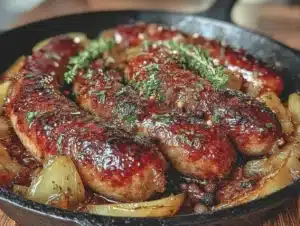
That first whiff of ketchup and brown sugar caramelizing in the oven—the kind that hits you before you even open the back door—still takes me straight to my grandmother’s kitchen in rural Georgia. I was maybe eight, and I remember standing on my tiptoes, peering through the oven door window, watching the glaze bubble and darken around the edges of the loaf pan. She never used a recipe. She just knew when the meatloaf felt right in her hands, and that brown sugar glaze was her signature—sweet, sticky, and just a little tangy. I’d sneak finger-swipes of the raw glaze when she wasn’t looking, and she always pretended not to notice.
Years later, after she passed, I found myself craving that exact flavor. Not just the meatloaf, but the whole memory—the way the kitchen smelled like comfort, the way she’d let me shape the meat into a little personal loaf just for me. I spent a solid month trying to recreate it. Too dry. Too bland. Too sweet. Then I realized I was overthinking it. The secret wasn’t some fancy ingredient—it was the simplicity. Good ground beef, a few pantry staples, and that brown sugar glaze that turns into a glossy, almost candied crust. This is the version I finally got right, and honestly, it’s the only meatloaf recipe I’ve made since.
This Best Classic Southern Meatloaf with Brown Sugar Glaze isn’t fancy. It’s the kind of dinner that feels like a hug after a long day. The kind that makes leftovers worth fighting over. And if you’re new to making meatloaf from scratch, don’t worry—I’ve messed up enough batches to tell you exactly what not to do.
Why You’ll Love This Recipe
Let me tell you why this particular meatloaf stands out from every other version you’ve tried. I’ve tested this recipe at least a dozen times, tweaking the ratio of breadcrumbs to meat, adjusting the glaze thickness, even swapping out different types of ground beef. Here’s what I landed on, and why it works.
- Perfectly Moist Every Time : The combination of milk-soaked breadcrumbs and the right fat content in the beef keeps this meatloaf from turning into a dry brick. No one wants a meatloaf that crumbles into sad little pieces on the plate.
- That Brown Sugar Glaze : This isn’t just ketchup slapped on top. The brown sugar caramelizes in the oven, creating a sticky, sweet-tangy crust that contrasts beautifully with the savory meat. It’s the star of the show.
- Simple Pantry Ingredients : You probably have everything in your kitchen right now. No fancy trips to specialty stores. Just good old-fashioned ingredients that come together like they were meant to be together.
- Family-Approved and Crowd-Pleaser : I’ve served this at Sunday dinners, potlucks, and even a casual weeknight dinner when I had friends over. Every single time, someone asks for the recipe. Even picky kids go back for seconds.
- Leftovers That Actually Get Better : Cold meatloaf sandwiches the next day? Yes, please. The flavors meld overnight, and the glaze sinks into the meat just a little more. It’s almost better than the first dinner.
This isn’t just another meatloaf recipe you’ll forget about. It’s the one you’ll text your mom about. The one that makes you close your eyes after the first bite—I’m not kidding. It’s comfort food at its most honest, and it’s exactly what a Southern meatloaf should be.
What Ingredients You Will Need
This recipe uses simple, honest ingredients that work together to create something truly special. Most of these are pantry staples, and I’ve included notes on what to look for so you get the best results.
For the Meatloaf
- Ground beef (80/20 blend) – 2 pounds. I prefer 80/20 because the fat keeps the meatloaf moist. Too lean, and you’ll end up with a dry, crumbly loaf. I usually go with ground chuck from a local butcher when I can, but any good-quality 80/20 works.
- Yellow onion – 1 medium, finely diced. Don’t skip this. Onion adds moisture and sweetness as it cooks. Sauté it first if you want a milder flavor (more on that later).
- Garlic – 3 cloves, minced. Fresh garlic is non-negotiable here. The jarred stuff just doesn’t have the same punch.
- Breadcrumbs (plain) – 1 cup. I use plain panko breadcrumbs for a lighter texture, but regular plain breadcrumbs work too. Avoid seasoned ones—they throw off the flavor balance.
- Whole milk – ½ cup. This soaks into the breadcrumbs and keeps the meatloaf tender. You can use 2% if that’s what you have, but whole milk gives the best texture.
- Large eggs – 2, lightly beaten. Eggs bind everything together. Make sure they’re at room temperature so they mix in evenly.
- Worcestershire sauce – 2 tablespoons. This adds that deep, savory umami flavor that makes Southern meatloaf taste like… well, Southern meatloaf. I use Lea & Perrins.
- Ketchup – ¼ cup (for the meat mixture). Yes, ketchup goes inside too. It adds sweetness and acidity that balances the richness of the beef.
- Dijon mustard – 1 tablespoon. A little tang goes a long way. Don’t skip it—you won’t taste mustard specifically, but you’ll miss the depth if it’s not there.
- Salt – 1 teaspoon. I use kosher salt. If you’re using table salt, cut back to ¾ teaspoon.
- Black pepper – ½ teaspoon, freshly ground.
- Smoked paprika – 1 teaspoon. This is my little secret. Smoked paprika adds a subtle smokiness that makes the meatloaf taste like it’s been cooking all day.
- Dried thyme – ½ teaspoon. Just a hint of herbiness to round things out.
For the Brown Sugar Glaze
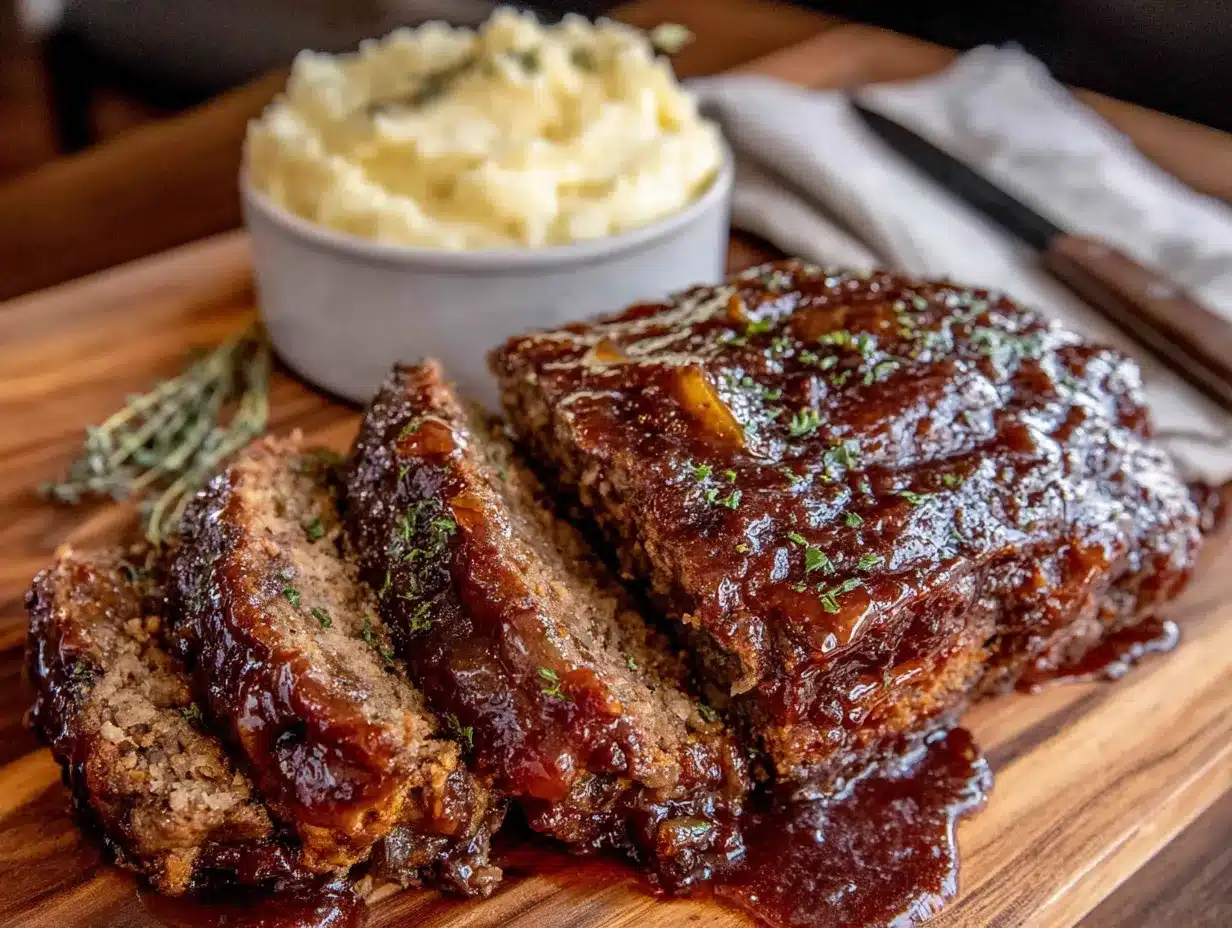
- Ketchup – ¾ cup. This is the base of the glaze. Use a good-quality ketchup—Heinz is my go-to.
- Brown sugar (light) – ½ cup, packed. Light brown sugar gives the right sweetness without being overpowering. Dark brown sugar works too, but it’ll be a little more molasses-forward.
- Apple cider vinegar – 1 tablespoon. This cuts the sweetness and adds a tangy kick. Don’t skip it—it balances the glaze perfectly.
- Worcestershire sauce – 1 teaspoon. A little extra umami in the glaze never hurt anyone.
- Garlic powder – ½ teaspoon. Just a whisper of garlic to tie the glaze back to the meatloaf.
Ingredient Tip: If you’re out of fresh onion, you can use ½ cup of finely chopped onion that’s been sautéed until soft. It won’t be quite the same texture, but the flavor will still be there. And if you need a gluten-free option, use gluten-free breadcrumbs or crushed gluten-free crackers—I’ve done it with Schar brand and it worked great.
Equipment Needed
You don’t need a ton of fancy equipment for this recipe. Here’s what I use every single time I make this meatloaf.
- Large mixing bowl – For combining all the meatloaf ingredients. Go big enough that you can get your hands in there without making a mess.
- Loaf pan (9×5-inch) – This is the classic shape. If you don’t have one, you can shape the meatloaf free-form on a rimmed baking sheet—it’ll cook a little faster, so keep an eye on it.
- Parchment paper – Line your loaf pan with parchment paper with some overhang. This makes lifting the meatloaf out so much easier. Trust me on this one.
- Small saucepan – For making the glaze. You could also whisk it together in a bowl, but heating it on the stove helps the sugar dissolve and meld the flavors.
- Whisk – For the glaze. A fork works in a pinch, but a whisk makes it smooth.
- Chef’s knife and cutting board – For dicing the onion and mincing the garlic.
- Meat thermometer – This is your best friend. Don’t guess doneness—use a thermometer. I’ve ruined too many meatloaves by overcooking them. An instant-read thermometer is cheap and saves dinner.
- Pastry brush – For brushing the glaze on the meatloaf. A spoon works too, but a brush gives you an even coating.
Budget Tip: If you don’t have a loaf pan, just shape the meatloaf into a free-form loaf on a baking sheet lined with foil. It’ll cook a little faster, so start checking at 45 minutes. I’ve done it this way plenty of times when my loaf pan was in use for something else.
Preparation Method
Alright, let’s get cooking. I’ve broken this down into clear steps so you don’t miss anything. Take your time—rushing is the number one reason meatloaf goes wrong.
- Preheat your oven to 350°F (175°C). Position the rack in the center of the oven. While it’s heating, line your loaf pan with parchment paper, leaving about 2 inches of overhang on each side. This will make lifting the meatloaf out so much easier later.
- Soak the breadcrumbs. In a small bowl, combine the 1 cup of plain breadcrumbs with ½ cup of whole milk. Stir gently and let it sit for 5 minutes. The breadcrumbs will absorb the milk and turn into a paste-like consistency. This is what keeps your meatloaf tender. Don’t skip this step—I’ve tried skipping it, and the meatloaf was noticeably drier.
- Sauté the onion and garlic. Heat a small skillet over medium heat with a drizzle of olive oil. Add the finely diced onion and cook for about 4-5 minutes, until it’s soft and translucent. Add the minced garlic and cook for another 30 seconds, until fragrant. Set aside to cool slightly. Sautéing first softens the onion so it melts into the meatloaf instead of leaving crunchy bits. (If you prefer a stronger onion flavor, you can skip this step and add the onion raw—just dice it very finely.)
- Make the brown sugar glaze. In a small saucepan, combine ¾ cup ketchup, ½ cup packed light brown sugar, 1 tablespoon apple cider vinegar, 1 teaspoon Worcestershire sauce, and ½ teaspoon garlic powder. Whisk everything together over medium heat. Bring it to a gentle simmer, then reduce the heat to low and let it cook for 3-4 minutes, stirring occasionally. The glaze will thicken slightly and the sugar will dissolve completely. Remove from heat and set aside. Taste it—it should be sweet, tangy, and just a little savory.
- Combine the meatloaf ingredients. In a large mixing bowl, add the 2 pounds of ground beef, the soaked breadcrumb mixture, the sautéed onion and garlic, 2 lightly beaten eggs, 2 tablespoons Worcestershire sauce, ¼ cup ketchup, 1 tablespoon Dijon mustard, 1 teaspoon salt, ½ teaspoon black pepper, 1 teaspoon smoked paprika, and ½ teaspoon dried thyme. Now, here’s the important part—use your hands to mix everything together. Don’t overmix. Just gently combine until everything is evenly distributed. Overmixing makes the meatloaf tough. I usually mix until I can’t see any more streaks of breadcrumb or egg, which takes about 30 seconds.
- Shape the meatloaf. Transfer the meat mixture to your parchment-lined loaf pan. Press it gently into the pan, making sure there are no air pockets. Don’t pack it down too hard—you want it to hold its shape but still be tender. Smooth the top with the back of a spoon or your hand.
- Apply the first layer of glaze. Using a pastry brush or the back of a spoon, spread about ⅓ of the glaze evenly over the top of the meatloaf. Reserve the remaining glaze for later. This first layer will bake into the meat and start building that caramelized crust.
- Bake the meatloaf. Place the loaf pan in the preheated oven and bake for 45 minutes. After 45 minutes, remove the pan from the oven and brush another ⅓ of the glaze over the top. Return to the oven and bake for another 15-20 minutes. The total baking time should be about 60-65 minutes.
- Check for doneness. Insert an instant-read meat thermometer into the center of the meatloaf. You’re looking for an internal temperature of 160°F (71°C). This is the safe temperature for ground beef. If it’s not there yet, give it another 5-10 minutes. The glaze should be dark, sticky, and bubbling around the edges.
- Rest the meatloaf. This step is crucial. Remove the meatloaf from the oven and let it rest in the pan for 10-15 minutes. Don’t skip this! Resting allows the juices to redistribute throughout the meatloaf. If you slice it too soon, it’ll fall apart and you’ll lose all those delicious juices. After resting, use the parchment paper overhang to lift the meatloaf out of the pan and transfer it to a cutting board.
- Slice and serve. Use a sharp knife to slice the meatloaf into even pieces—about 1-inch thick. Drizzle the remaining glaze over the top (reheat it briefly if it’s thickened too much). Serve warm.
Cooking Tips & Techniques
I’ve made this meatloaf more times than I can count, and I’ve definitely learned a few things the hard way. Here are my best tips to help you nail it on the first try.
- Don’t overmix the meat. I know I said this already, but it’s worth repeating. Overmixing develops the protein in the meat and makes it tough. Mix just until everything is combined. Your hands are the best tool for this—you can feel when it’s ready.
- Use a meat thermometer. Seriously, this is the single best investment you can make for cooking meat. Guessing doneness by color or time is risky. At 160°F, you’re safe and moist. Anything over 170°F and you’re heading into dry territory.
- Let it rest. I know you’re hungry. I know the house smells amazing. But if you cut into that meatloaf right away, all the juices will run out onto the cutting board, and you’ll be left with a drier loaf. Ten minutes. Set a timer if you have to.
- Line your pan with parchment. This isn’t just for easy removal—it also makes cleanup a breeze. The glaze can get sticky and burnt onto the pan, and scrubbing that off is no fun.
- Make extra glaze. The recipe makes enough for the meatloaf and a little extra for serving. But if you’re like me and you love extra glaze on your mashed potatoes, double the glaze recipe. You won’t regret it.
- Toast your breadcrumbs first. This is a pro tip I picked up from a chef friend. If you have a few extra minutes, toast the breadcrumbs in a dry skillet over medium heat until they’re lightly golden. It adds a subtle nutty flavor to the meatloaf.
One mistake I made early on: I used extra-lean ground beef (93/7) thinking it would be healthier. The meatloaf was dry, crumbly, and honestly, not very good. Save yourself the disappointment—use 80/20. The fat is what makes it tender and flavorful. If you’re really concerned about fat, you can drain off the excess after cooking, but don’t start with lean beef.
Variations & Adaptations
This recipe is pretty flexible. Here are some ways to change it up based on what you have on hand or what you’re craving.
- Turkey Meatloaf Version: Swap the ground beef for 2 pounds of ground turkey (93/7 works best). Add 2 tablespoons of olive oil to the mixture since turkey is leaner and needs the extra moisture. Cook to an internal temperature of 165°F (74°C).
- Gluten-Free Adaptation: Use gluten-free breadcrumbs or crushed gluten-free crackers (like Schar brand). The rest of the ingredients are naturally gluten-free, but double-check your Worcestershire sauce—some brands contain malt vinegar. Lea & Perrins is gluten-free.
- Spicy Kick: Add 1 finely diced jalapeño (seeds removed if you want less heat) to the onion and garlic mixture. You can also add ½ teaspoon of cayenne pepper to the meat mixture or stir a tablespoon of sriracha into the glaze.
- Cheese-Stuffed Meatloaf: After shaping the meatloaf in the pan, make a shallow trench down the center and fill it with ½ cup of shredded cheddar cheese or mozzarella. Cover the cheese with the meat mixture and bake as directed. The melted cheese in the center is a game-changer.
- BBQ Glaze Twist: Replace the ketchup in the glaze with your favorite barbecue sauce. Use ¾ cup BBQ sauce, ¼ cup brown sugar, and skip the apple cider vinegar. It gives the meatloaf a smoky, slightly different flavor that’s perfect for summer cookouts.
- Mini Meatloaves: Instead of one large loaf, divide the mixture into 6-8 individual portions and shape them into small loaves on a baking sheet. Bake at 375°F for 25-30 minutes, checking for 160°F internal temperature. These are great for meal prep or freezing individually.
I’ve personally tried the turkey version when I was trying to eat a little lighter, and honestly, it’s still really good. Just don’t skip the olive oil—it makes all the difference. The spicy kick version is my husband’s favorite, and we serve it with a side of savory slow cooker honey garlic chicken on the side for a fun flavor contrast.
Serving & Storage Suggestions
This meatloaf is a complete meal on its own, but here’s how I like to serve it and store it.
Serving Suggestions: Slice the meatloaf into 1-inch thick pieces and serve it warm with a generous drizzle of the reserved glaze. It pairs perfectly with creamy mashed potatoes (the glaze makes an amazing gravy substitute), roasted green beans, or a simple side salad. I also love serving it with crispy smashed potatoes with garlic herb aioli for a truly indulgent dinner. For a true Southern spread, add some collard greens and cornbread on the side.
Storage Instructions: Leftover meatloaf keeps beautifully. Store it in an airtight container in the refrigerator for up to 4 days. The flavors actually meld and deepen overnight, so leftovers are often even better the next day. Cold meatloaf sandwiches on soft white bread with a little extra ketchup are a personal favorite of mine.
Freezing Instructions: You can freeze the cooked meatloaf whole or in slices. Wrap it tightly in plastic wrap, then in aluminum foil, and store in a freezer-safe bag for up to 3 months. To thaw, move it to the refrigerator overnight. Reheat slices in a 350°F oven for about 10-15 minutes, or in the microwave for 1-2 minutes. If you’re reheating a whole meatloaf, cover it with foil and bake at 325°F for 20-25 minutes, adding a little extra glaze on top to keep it moist.
Reheating Tip: The glaze can get a little sticky when reheated in the microwave. If you have time, reheat slices in a skillet over medium heat with a splash of water or beef broth. Cover the skillet with a lid and let it steam for 2-3 minutes. The meat stays moist and the glaze gets slightly caramelized again.
Nutritional Information & Benefits
Here’s an approximate nutritional breakdown for one serving (based on 8 servings, using 80/20 ground beef). Keep in mind these are estimates and will vary based on exact ingredients and portion sizes.
| Nutrient | Amount per Serving |
|---|---|
| Calories | 385 |
| Protein | 28g |
| Fat | 22g |
| Saturated Fat | 8g |
| Carbohydrates | 22g |
| Fiber | 1g |
| Sugar | 16g |
| Sodium | 680mg |
Health Benefits: Ground beef is an excellent source of high-quality protein, iron, and B vitamins, including B12 which is essential for energy production and brain health. The onions and garlic provide antioxidants and anti-inflammatory compounds. The brown sugar glaze adds sweetness, but you can reduce the sugar to ¼ cup if you’re watching your intake—it’ll still be delicious, just a little less sticky.
Dietary Considerations: This recipe is naturally gluten-free if you use gluten-free breadcrumbs (check your Worcestershire sauce too!). It’s not low-carb due to the breadcrumbs and brown sugar, but you can try almond flour breadcrumbs and a sugar-free ketchup for a lower-carb version—though I’ll be honest, the texture won’t be quite the same.
Potential Allergens: This recipe contains wheat (breadcrumbs), dairy (milk, if using), and eggs. For a dairy-free version, use unsweetened almond milk or oat milk in place of whole milk. For an egg-free version, you can use a flax egg (1 tablespoon ground flaxseed mixed with 3 tablespoons water, let sit for 5 minutes) for each egg.
Conclusion
This Best Classic Southern Meatloaf with Brown Sugar Glaze is more than just a dinner recipe—it’s a little piece of comfort that brings people together. It’s the kind of meal that makes a regular Tuesday feel special, and the kind that gets requested for birthdays and holidays. I’ve made it for potlucks, for Sunday dinners, and for those nights when I just needed something warm and familiar.
What I love most about this recipe is how forgiving it is. You can tweak it, adjust it, make it your own. Add more spice, swap the meat, double the glaze—it’s built to be flexible. And no matter how you change it, that brown sugar glaze will always steal the show. It’s sweet, tangy, and just a little bit sticky—exactly the way my grandmother made it.
I’d love to hear how yours turns out. Did you add any twists? Serve it with something unexpected? Leave a comment below and share your version. And if you loved it, don’t forget to pin this recipe for later or share it with someone who needs a little comfort food in their life. Happy cooking, y’all!
Frequently Asked Questions
Can I make this meatloaf ahead of time?
Absolutely. You can assemble the meatloaf in the pan, cover it with plastic wrap, and refrigerate it for up to 24 hours before baking. Just add about 10 minutes to the baking time since you’re starting from cold. You can also make the glaze ahead and store it in the fridge for up to a week.
Why is my meatloaf falling apart?
Most likely, it’s one of two things: not enough binder (breadcrumbs and eggs) or not letting it rest long enough after baking. Make sure you’re using the full cup of breadcrumbs and both eggs. And don’t skip the resting step—10-15 minutes is essential for the structure to set.
Can I use ground turkey or chicken instead of beef?
Yes, you can! Use 2 pounds of ground turkey (93/7 is best) or ground chicken. Add 2 tablespoons of olive oil to the mixture since poultry is leaner. Cook to an internal temperature of 165°F. The texture will be slightly different, but it’s still delicious.
How do I know when the meatloaf is done without a thermometer?
If you don’t have a meat thermometer, look for these signs: the meatloaf should be pulling away from the sides of the pan, the glaze should be dark and bubbling, and the juices should run clear when you poke the center with a fork. But honestly, a thermometer is the most reliable way to avoid overcooking or undercooking.
Can I freeze the meatloaf before baking?
Yes! Assemble the meatloaf in the pan, wrap it tightly in plastic wrap and then foil, and freeze for up to 3 months. To bake, thaw it in the refrigerator overnight, then bake as directed. You may need to add 15-20 minutes to the baking time since it’s starting from cold.
Pin This Recipe!
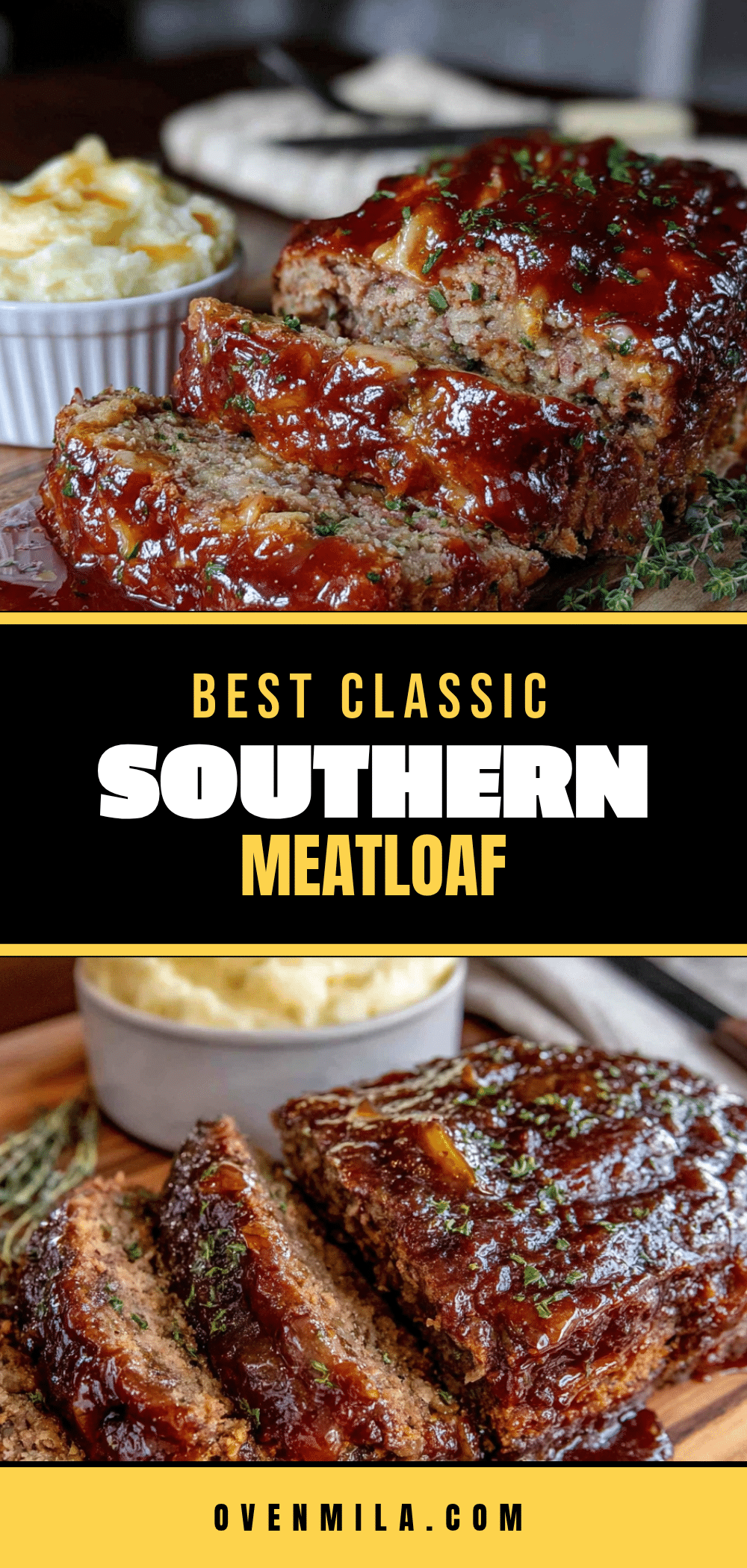
Best Classic Southern Meatloaf with Brown Sugar Glaze
This Best Classic Southern Meatloaf with Brown Sugar Glaze is a comforting, family-friendly dinner featuring a perfectly moist meatloaf with a sweet and tangy brown sugar glaze that caramelizes into a glossy crust. It’s made with simple pantry ingredients and is sure to become a favorite.
- Prep Time: 20 minutes
- Cook Time: 60 minutes
- Total Time: 1 hour 20 minutes
- Yield: 8 servings 1x
- Category: Main Course
- Cuisine: Southern
Ingredients
- 2 pounds ground beef (80/20 blend)
- 1 medium yellow onion, finely diced
- 3 cloves garlic, minced
- 1 cup plain breadcrumbs (panko or regular)
- ½ cup whole milk
- 2 large eggs, lightly beaten
- 2 tablespoons Worcestershire sauce
- ¼ cup ketchup
- 1 tablespoon Dijon mustard
- 1 teaspoon kosher salt
- ½ teaspoon black pepper, freshly ground
- 1 teaspoon smoked paprika
- ½ teaspoon dried thyme
- ¾ cup ketchup (for glaze)
- ½ cup light brown sugar, packed (for glaze)
- 1 tablespoon apple cider vinegar (for glaze)
- 1 teaspoon Worcestershire sauce (for glaze)
- ½ teaspoon garlic powder (for glaze)
Instructions
- Preheat your oven to 350°F (175°C). Position the rack in the center of the oven. Line a 9×5-inch loaf pan with parchment paper, leaving about 2 inches of overhang on each side.
- In a small bowl, combine 1 cup plain breadcrumbs with ½ cup whole milk. Stir gently and let sit for 5 minutes until the breadcrumbs absorb the milk and form a paste.
- Heat a small skillet over medium heat with a drizzle of olive oil. Add the finely diced onion and cook for 4-5 minutes until soft and translucent. Add the minced garlic and cook for 30 seconds until fragrant. Set aside to cool slightly.
- In a small saucepan, combine ¾ cup ketchup, ½ cup packed light brown sugar, 1 tablespoon apple cider vinegar, 1 teaspoon Worcestershire sauce, and ½ teaspoon garlic powder. Whisk over medium heat until it reaches a gentle simmer. Reduce heat to low and cook for 3-4 minutes, stirring occasionally, until the glaze thickens slightly and the sugar dissolves. Remove from heat and set aside.
- In a large mixing bowl, combine 2 pounds ground beef, the soaked breadcrumb mixture, sautéed onion and garlic, 2 lightly beaten eggs, 2 tablespoons Worcestershire sauce, ¼ cup ketchup, 1 tablespoon Dijon mustard, 1 teaspoon salt, ½ teaspoon black pepper, 1 teaspoon smoked paprika, and ½ teaspoon dried thyme. Use your hands to gently mix until just combined—do not overmix.
- Transfer the meat mixture to the parchment-lined loaf pan. Press gently into the pan, smoothing the top with the back of a spoon or your hand. Avoid packing too tightly.
- Using a pastry brush or the back of a spoon, spread about ⅓ of the glaze evenly over the top of the meatloaf. Reserve the remaining glaze.
- Place the loaf pan in the preheated oven and bake for 45 minutes. After 45 minutes, remove the pan and brush another ⅓ of the glaze over the top. Return to the oven and bake for another 15-20 minutes (total baking time: 60-65 minutes).
- Check for doneness by inserting an instant-read meat thermometer into the center of the meatloaf. It should read 160°F (71°C). If not, bake for an additional 5-10 minutes.
- Remove the meatloaf from the oven and let it rest in the pan for 10-15 minutes. This allows the juices to redistribute.
- After resting, use the parchment paper overhang to lift the meatloaf out of the pan and transfer it to a cutting board. Slice into 1-inch thick pieces. Drizzle the remaining glaze over the top (reheat if needed) and serve warm.
Notes
Don’t overmix the meat—mix just until combined to keep it tender. Use a meat thermometer for perfect doneness (160°F). Let the meatloaf rest for 10-15 minutes before slicing to retain juices. Line the pan with parchment for easy removal and cleanup. For extra flavor, toast the breadcrumbs in a dry skillet before using.
Nutrition
- Serving Size: 1 slice (1-inch thic
- Calories: 385
- Sugar: 16
- Sodium: 680
- Fat: 22
- Saturated Fat: 8
- Carbohydrates: 22
- Fiber: 1
- Protein: 28
Keywords: meatloaf, southern meatloaf, brown sugar glaze, classic meatloaf, comfort food, ground beef, easy dinner