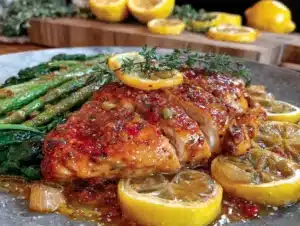
It was 11:47 PM on a rainy Tuesday, and I had that specific, bone-deep craving for something warm and buttery. Not a full meal, not really a snack—something in between. I opened the fridge, and there it was: a single filet of salmon I’d forgotten about, sitting next to a sad, half-used stick of butter and a lemon that had definitely seen better days. The original plan for that salmon was a fancy, herb-crusted ordeal with a complicated beurre blanc. But at nearly midnight, on a quiet, wet night, that felt like a joke. I didn’t have the energy for a production. I had the salmon, the butter, the lemon, and a desperate need for comfort.
So I did something I’d never done before. I didn’t sear it. I didn’t grill it. I threw a few cloves of garlic into a baking dish, laid the salmon right on top, and covered the whole thing in thin slices of cold butter and a squeeze of lemon. I slid it into the oven and basically prayed. The smell that started filling my tiny kitchen about ten minutes in was… unexpected. It wasn’t the sharp, clean smell of a fancy restaurant dish. It was softer. Cozier. It smelled like the kind of meal you eat in sweatpants while watching a movie you’ve seen a hundred times. Honestly, I was half-convinced I was just hungry and imagining things. But when I pulled that tray out, the butter had melted into a glossy, garlicky pool, and the salmon was flaking at the slightest touch of a fork. I ate it straight from the baking dish, perched on my countertop, and it was the most comforting thing I’d eaten in weeks. That weird, impulsive, late-night experiment became the only way I make salmon now. Maybe you’ve been there—staring into the fridge, wanting something that feels like a hug?
Why You’ll Love This Recipe
This isn’t just another salmon recipe. It’s the one that makes you wonder why you ever bothered with complicated sauces and fussy techniques. It’s built on a few key things that make it a total winner, every single time.
- Unbelievably Easy: We’re talking 5 minutes of prep. Seriously. Season, top with butter and lemon, bake. That’s it. No marinating, no flipping, no messy stovetop splatter.
- Simple, Pantry-Friendly Ingredients: You probably have garlic, a lemon, and butter in your kitchen right now. The salmon is the star, and everything else is just there to make it shine. No fancy grocery trips required.
- Perfect for a Cozy Night In: This is the ultimate “I need a good meal but I’m too tired to try” recipe. It’s fancy enough to feel special on a Friday night, but simple enough for a random Tuesday. It’s comfort food that just happens to be incredibly good for you.
- A Total Crowd-Pleaser: I’ve served this to friends who “don’t really like fish,” and they went back for seconds. The buttery, garlicky, lemony sauce is so good, people practically want to drink it. It’s not fishy—it’s just pure, rich flavor.
- Next-Level Texture: The magic of baking it low and slow (well, low-ish and fast-ish) means the salmon stays incredibly moist and tender. It flakes apart like a dream, and the butter sauce keeps every bite from drying out. It’s the opposite of dry, overcooked fish.
What makes this recipe different? It’s the simplicity. I’ve tested it a dozen times, tweaking the butter-to-garlic ratio and the cooking time until it was absolutely perfect. This isn’t just another version of lemon butter salmon—it’s the best version. The one where the garlic gets sweet and mellow in the oven, and the lemon juice cuts through the richness of the butter just enough. It’s the kind of meal that makes you close your eyes after the first bite. It’s soul-soothing satisfaction, without any of the stress.
What Ingredients You Will Need
This recipe uses a handful of simple, high-quality ingredients to create a dish that tastes far more complex than it is. You don’t need a long list of exotic spices or specialty items. Here’s what you’ll need to bring this cozy, flavorful salmon to life.
- Salmon Fillets (4 fillets, about 6 oz / 170g each): Go for center-cut fillets for even thickness, which ensures they cook at the same rate. I prefer wild-caught salmon for its firmer texture and cleaner flavor, but farm-raised Atlantic salmon works beautifully too. Just look for fillets that are bright in color and smell fresh, not fishy. Pat them dry with a paper towel before seasoning—this helps the seasoning stick and promotes better cooking.
- Unsalted Butter (4 tablespoons / 56g, cold): This is the heart of the sauce. Using unsalted butter lets you control the salt level yourself. Keep it cold and slice it into thin pats—this way it melts slowly and evenly in the oven, basting the salmon as it goes. I recommend a good-quality European-style butter like Kerrygold for a richer, creamier flavor.
- Garlic (4-5 cloves, thinly sliced): Don’t mince it! Slicing the garlic is key here. Minced garlic can burn in the oven and turn bitter. Thin slices soften and sweeten as they cook, infusing the butter with a gentle, mellow garlic flavor. Use fresh cloves, not the pre-minced stuff from a jar, for the best result.
- Fresh Lemon (1 large lemon): You’ll need both the zest and the juice. The zest adds a bright, fragrant lemon oil that you can’t get from juice alone. The juice, added at the end, cuts through the richness of the butter and balances everything out. Roll the lemon on the counter before juicing to get the most out of it.
- Extra Virgin Olive Oil (1 tablespoon / 15ml): A light drizzle on the baking dish helps prevent the salmon from sticking. It also adds a tiny bit of fruity flavor that complements the butter. Don’t skip it—it makes cleanup easier, too.
- Salt & Black Pepper (to taste): Keep it simple. A generous pinch of flaky sea salt (like Maldon) right before serving makes a big difference. Freshly cracked black pepper is always better than pre-ground.
- Fresh Parsley (optional, for garnish): A sprinkle of chopped fresh parsley adds a pop of color and a fresh, herbaceous note. It’s not essential, but it makes the dish look prettier on the plate. Dill is also a fantastic substitute if you have it on hand.
- Red Pepper Flakes (optional, for garnish): If you like a tiny hint of heat, a pinch of red pepper flakes scattered over the top before serving is lovely. It’s completely optional, but it adds a nice little kick.
Substitution Guidance: If you don’t have fresh garlic, you can use 1 teaspoon of garlic powder, but the flavor won’t be as mellow. For a dairy-free version, use a high-quality vegan butter or ghee (if you tolerate it). You can also swap the lemon for lime for a slightly different, more tropical flavor profile.
Equipment Needed
One of the best things about this recipe is that it doesn’t require any fancy, specialized equipment. You probably already have everything you need in your kitchen.
- Baking Dish or Sheet Pan: A 9×13-inch baking dish works perfectly. A rimmed baking sheet lined with parchment paper also does the trick. I prefer a ceramic or glass dish because it heats evenly and looks nice for serving. My favorite is a simple, white ceramic dish—it’s non-reactive and cleans up easily.
- Chef’s Knife and Cutting Board: For slicing the garlic and zesting the lemon. A sharp knife makes all the difference. A microplane or zester is also helpful for getting fine lemon zest without the bitter white pith.
- Small Bowl: For mixing the lemon zest and any seasonings if you want to get fancy. Honestly, I usually just season the salmon right in the dish.
- Measuring Spoons: For the olive oil and any optional spices. Eyeballing is fine, but a quick measure keeps things consistent.
- Aluminum Foil or Parchment Paper: Optional, but lining your dish makes cleanup a breeze. I’m a big fan of anything that means fewer dishes.
- Instant-Read Thermometer (Optional but Recommended): If you’re nervous about overcooking salmon, this is your best friend. It takes the guesswork out of the process. A simple digital one costs less than $15 and will change your cooking life.
Preparation Method
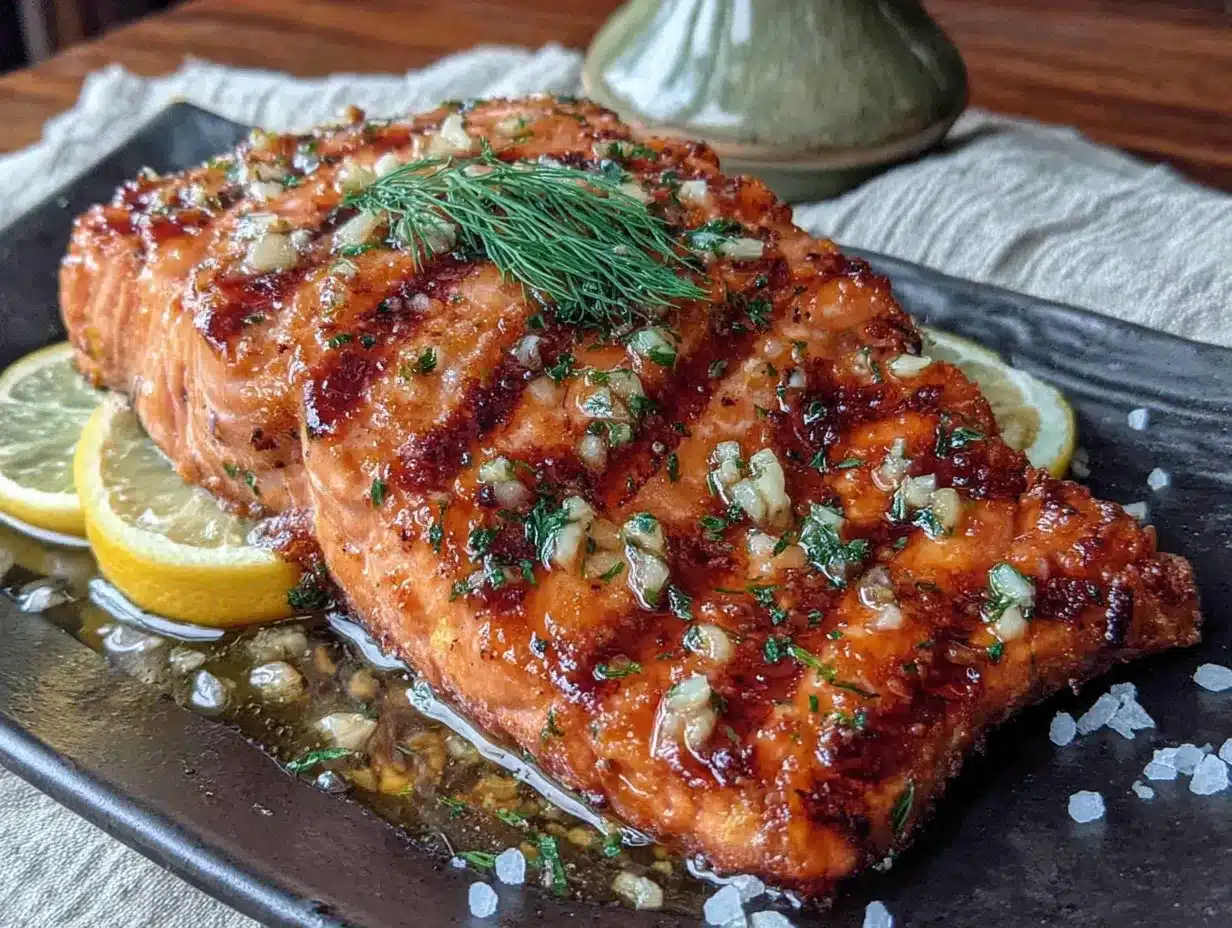
Let’s get to the good part. This is so simple, you’ll almost feel like you’re cheating. Follow these steps, and you’ll have perfect, flaky, buttery salmon every single time.
- Preheat and Prep: First, preheat your oven to 375°F (190°C). While it’s heating up, take your salmon fillets out of the fridge and let them sit at room temperature for about 10 minutes. This helps them cook more evenly. Pat them dry very thoroughly with paper towels—this is the most important step for getting a nice, non-soggy finish.
- Prepare the Baking Dish: Drizzle the 1 tablespoon of olive oil into your baking dish and use your fingers or a brush to coat the bottom evenly. This prevents sticking and adds a little flavor. Arrange the salmon fillets in the dish, skin-side down, leaving a little space between each one so they cook evenly.
- Season the Salmon: Season the tops of the fillets generously with salt and freshly cracked black pepper. Don’t be shy here—salmon needs a good amount of salt to taste its best. If you’re using lemon zest, sprinkle it evenly over the fillets now.
- Add the Garlic and Butter: Scatter the thinly sliced garlic cloves around the salmon in the dish, tucking a few slices under the fillets if you want. Then, take your cold butter and slice it into thin pats (about 1 tablespoon each). Place the butter pats on top of each salmon fillet. Don’t worry if some butter falls into the dish—that’s good! It will melt and create the sauce.
- Bake to Perfection: Place the dish in the preheated oven on the middle rack. Bake for 12-15 minutes, depending on the thickness of your fillets. For a 1-inch thick fillet, 13 minutes is usually perfect. The salmon is done when it flakes easily with a fork and the center is just slightly translucent (it will continue to cook a bit from the residual heat). If you’re using a thermometer, you’re looking for an internal temperature of 125°F (52°C) for medium-rare or 135°F (57°C) for medium. Warning: Do not overbake! Overcooked salmon is dry and sad. It’s better to take it out a minute early than a minute late.
- Finish with Lemon Juice: As soon as you pull the dish from the oven, squeeze the juice of half the lemon (or the whole thing, if you love lemon) over the salmon. The heat will meld the lemon juice with the melted butter and garlic, creating a gorgeous, glossy sauce. Let the salmon rest in the dish for 2-3 minutes. This lets the juices redistribute and the sauce thicken slightly.
- Spoon the Sauce and Serve: Use a spoon to drizzle the buttery, garlicky sauce from the bottom of the dish over the tops of the fillets. Garnish with fresh chopped parsley and a pinch of red pepper flakes, if you like. Serve immediately, spooning more sauce over each portion.
Cooking Tips & Techniques
I’ve made this recipe more times than I can count, and I’ve learned a few things the hard way. Here are my best tips to make sure yours turns out perfectly.
- Don’t skip the pat-dry step. This is the number one mistake people make. If your salmon is wet, it will steam instead of roast. You want the heat to hit the fish directly, not a layer of water. A dry surface means a better texture and less watery sauce.
- Slice the garlic, don’t mince it. I learned this lesson after one particularly bitter batch. Mince burns in the 375°F oven. Slices soften and sweeten. It makes a huge difference in the final flavor of the sauce.
- Use cold butter. This sounds weird, but cold butter pats melt more slowly, which gives the salmon more time to cook before the butter starts to brown. It creates a more luxurious, emulsified sauce rather than just melted fat.
- Know your oven. All ovens run a little differently. My ancient oven runs a bit hot, so I start checking my salmon at the 11-minute mark. If your oven runs cool, you might need the full 15 minutes. Trust your senses—the smell of cooked salmon and the sight of it flaking are your best guides.
- The resting period is non-negotiable. I once got impatient and dug in immediately. The sauce was thin and watery, and the salmon fell apart. Letting it rest for those 2-3 minutes allows the sauce to thicken and the fish to set. It’s a small wait for a much better result.
- Multitask like a pro. While the salmon is baking, this is the perfect time to make a quick side dish. Steam some green beans, toss a simple salad, or pop some rice in the cooker. The salmon’s 13-minute bake time is just enough to get a simple side ready.
Variations & Adaptations
This recipe is a fantastic base, and it’s so easy to adapt to your own tastes or what you have on hand. Here are a few of my favorite ways to change it up.
- Herb-Crusted Salmon: Before adding the butter, press a mixture of fresh chopped dill, parsley, and chives onto the top of the seasoned salmon. The herbs get slightly crispy in the oven and add a beautiful freshness. I tried this one Sunday afternoon when I had a bunch of leftover herbs, and it was a revelation.
- Spicy Cajun Salmon: Swap the salt and pepper for a generous sprinkle of Cajun seasoning. The smoky, spicy rub pairs incredibly well with the rich butter and bright lemon. It’s a completely different dish, but just as cozy. Serve it with some creamy coleslaw for a perfect weeknight dinner.
- Maple Dijon Glaze: Whisk together 2 tablespoons of maple syrup, 1 tablespoon of Dijon mustard, and a splash of the lemon juice. Brush this over the salmon fillets before adding the butter. The sweet and tangy glaze caramelizes beautifully in the oven. It’s my go-to for when I want something a little more special.
- Dairy-Free Version: This is a great option for anyone avoiding dairy. Simply substitute the butter with a high-quality vegan butter stick or ghee. I’ve used a plant-based butter made with avocado oil, and the result was just as rich and flavorful. The sauce will be slightly different, but still delicious.
- Add Some Veggies: Make it a one-dish meal by adding vegetables to the baking dish. Toss asparagus spears, broccoli florets, or halved cherry tomatoes in a little olive oil and salt, and arrange them around the salmon fillets. They will roast in the buttery, garlicky juices and become incredibly flavorful. Just remember that denser veggies like broccoli might need a few extra minutes in the oven, so you can start them 5 minutes before adding the salmon.
Serving & Storage Suggestions
This lemon garlic butter salmon is incredibly versatile when it comes to serving. Here’s how to make it a complete meal and how to handle any leftovers (though they’re rare in my house).
Serving: Serve the salmon hot, straight from the oven. Spoon a generous amount of the buttery pan sauce over each fillet—this is non-negotiable. It’s the best part! It pairs beautifully with simple sides that can soak up that extra sauce. I love it with fluffy white rice, creamy mashed potatoes, or a bed of tender couscous. For a lighter option, serve it over a bed of arugula or mixed greens. The warm salmon will slightly wilt the greens, and the sauce acts as a warm dressing. Roasted asparagus, green beans, or a simple side salad are also perfect companions.
Storage: If you somehow have leftovers, let the salmon cool completely to room temperature. Then, transfer it to an airtight container, making sure to pour any remaining pan sauce over the top. Store it in the refrigerator for up to 3 days. The flavors actually meld together even more overnight, so leftovers can be just as delicious, if not more so.
Reheating: The key to reheating salmon is to do it gently to avoid drying it out. The microwave will work in a pinch, but it’s not ideal. The best way is to reheat it in a low oven. Place the salmon in an oven-safe dish, cover it with foil, and warm it at 300°F (150°C) for about 10 minutes, or until just heated through. You can also reheat it in a skillet over low heat with a splash of water or lemon juice, covered, for 3-5 minutes. The flavor is still fantastic, but the texture will be slightly less flaky than fresh.
Nutritional Information & Benefits
This recipe isn’t just delicious—it’s also packed with nutrients that make you feel good about eating it. Here’s a quick look at what you’re getting in each serving (based on one fillet with sauce).
| Nutrient | Amount per Serving |
|---|---|
| Calories | ~380 kcal |
| Protein | 35g |
| Fat | 25g |
| Saturated Fat | 12g |
| Carbohydrates | 2g |
| Fiber | 0g |
| Sugar | 1g |
| Sodium | ~400mg |
| Vitamin D | ~100% DV |
| Omega-3 Fatty Acids | High |
Health Benefits: Salmon is a superstar ingredient. It’s one of the best natural sources of omega-3 fatty acids, which are crucial for brain health and reducing inflammation. It’s also packed with high-quality protein, B vitamins, and selenium. The garlic and lemon aren’t just for flavor—garlic is known for its immune-boosting properties, and lemon provides a good dose of vitamin C. This is a meal that nourishes your body while satisfying your soul. It’s naturally gluten-free and low-carb, making it a great option for many different dietary needs. Just be mindful of the butter if you are watching your saturated fat intake.
Conclusion
This cozy lemon garlic butter baked salmon is more than just a recipe—it’s a reminder that the best meals don’t have to be complicated. It’s proof that with a few simple, quality ingredients and a little bit of trust in the process, you can create something truly special. It’s the dish I turn to when I need a hug in the form of food, when I want to impress without the stress, or when I just need a perfect, reliable meal on the table fast.
I honestly believe this is the best way to cook salmon. It’s forgiving, it’s flavorful, and it makes your whole kitchen smell incredible. I’d love for you to try it and make it your own. Maybe you’ll add a little more garlic, or a pinch of cayenne, or serve it with your favorite roasted vegetables. Whatever you do, I hope it brings you the same cozy comfort it brings me.
If you make this recipe, please come back and let me know how it turned out in the comments below! Did you try any of the variations? What did you serve it with? Your stories and tweaks are what make this community so wonderful. Don’t forget to share a photo and tag me if you post it online—I love seeing your creations. Happy cooking, friends!
Frequently Asked Questions
Can I use frozen salmon for this recipe?
Yes, you can! Just make sure to thaw it completely in the refrigerator overnight. Pat it very dry before seasoning, as frozen salmon tends to release more water. You may need to add an extra minute or two to the baking time.
Can I use lemon juice from a bottle instead of fresh?
I really don’t recommend it. Fresh lemon juice has a bright, clean flavor that bottled juice just can’t replicate. The zest is also a key part of the recipe, which you can’t get from a bottle. For the best result, use a fresh lemon.
Why is my salmon sticking to the baking dish?
This usually happens if you didn’t use enough oil or if the dish wasn’t properly greased. Make sure you coat the bottom of your dish well with olive oil. Using parchment paper or foil is a foolproof way to prevent sticking and makes cleanup a breeze.
How do I know when the salmon is fully cooked?
The best way is to use an instant-read thermometer. For medium-rare, aim for 125°F (52°C). For medium, aim for 135°F (57°C). Without a thermometer, look for the salmon to flake easily when gently pressed with a fork. The center should be slightly translucent and not look raw.
Can I make this recipe in an air fryer?
Absolutely! Preheat your air fryer to 375°F (190°C). Place the seasoned salmon fillets in the basket, making sure they aren’t touching. Cook for 7-10 minutes, depending on thickness. The cooking time will be shorter than in the oven, so keep a close eye on it. The butter and garlic can be added in a small, oven-safe dish placed in the air fryer basket alongside the salmon.
Pin This Recipe!
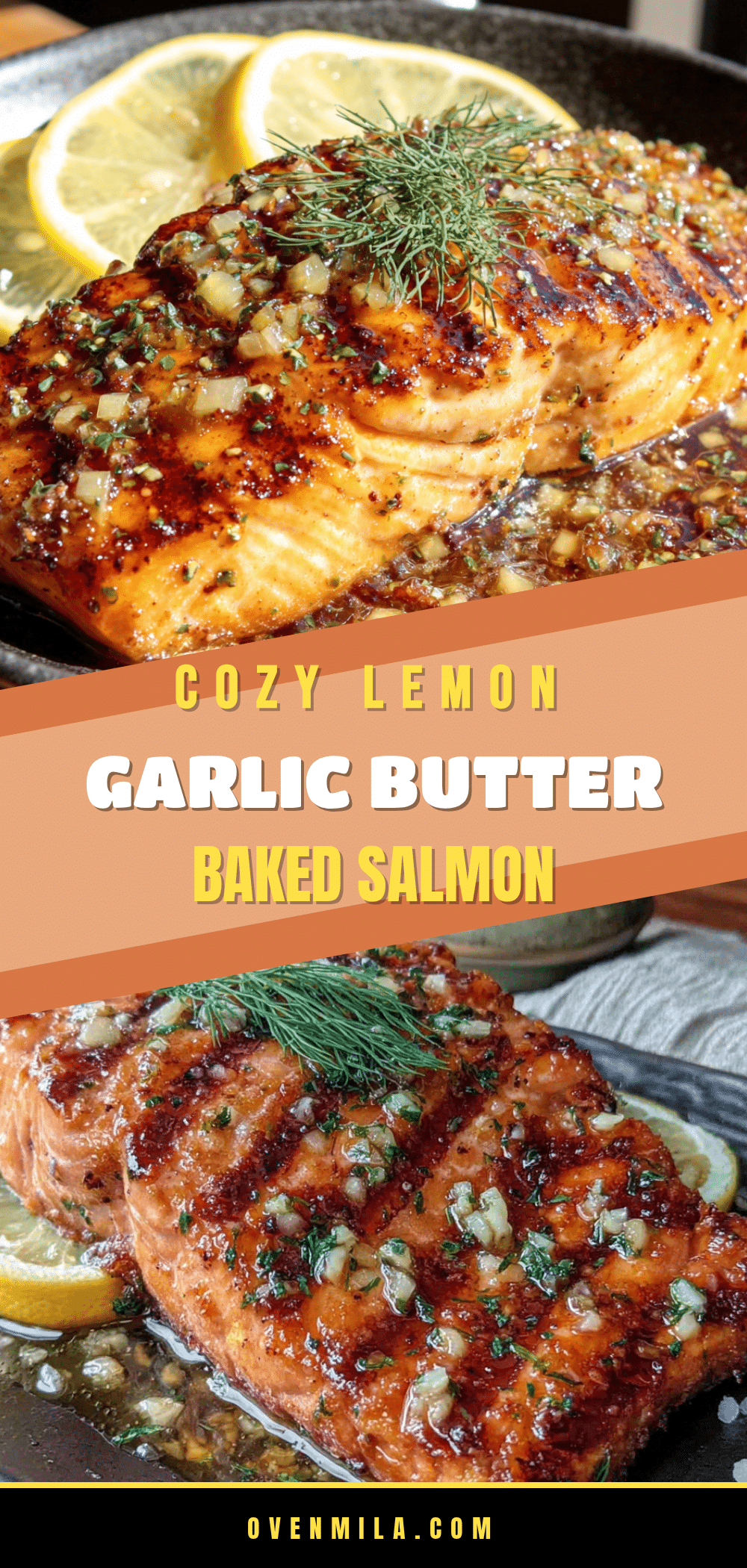
Easy Lemon Garlic Butter Baked Salmon Recipe
This is the ultimate cozy, buttery baked salmon recipe with just 5 minutes of prep. It’s simple, pantry-friendly, and perfect for a comforting weeknight dinner.
- Prep Time: 5 minutes
- Cook Time: 15 minutes
- Total Time: 20 minutes
- Yield: 4 servings 1x
- Category: Main Course
- Cuisine: American
Ingredients
- 4 salmon fillets (about 6 oz / 170g each)
- 4 tablespoons unsalted butter (cold, sliced into thin pats)
- 4–5 cloves garlic (thinly sliced)
- 1 large lemon (zested and juiced)
- 1 tablespoon extra virgin olive oil
- Salt and black pepper to taste
- Fresh parsley (optional, for garnish)
- Red pepper flakes (optional, for garnish)
Instructions
- Preheat oven to 375°F (190°C). Let salmon sit at room temperature for 10 minutes. Pat dry thoroughly with paper towels.
- Drizzle olive oil into a baking dish and coat the bottom evenly. Arrange salmon fillets skin-side down, spaced apart.
- Season tops of fillets generously with salt and black pepper. Sprinkle lemon zest evenly over the fillets.
- Scatter sliced garlic around the salmon in the dish. Place cold butter pats on top of each fillet.
- Bake on the middle rack for 12-15 minutes, until salmon flakes easily with a fork (internal temp 125°F for medium-rare, 135°F for medium). Do not overbake.
- Remove from oven and squeeze lemon juice over the salmon. Let rest in the dish for 2-3 minutes.
- Spoon the buttery garlic sauce from the dish over the fillets. Garnish with parsley and red pepper flakes if desired. Serve immediately.
Notes
Pat the salmon dry thoroughly to avoid steaming. Slice garlic, don’t mince, to prevent burning. Use cold butter for a better sauce. Let the salmon rest after baking for a thicker sauce. Adjust cooking time based on fillet thickness.
Nutrition
- Serving Size: 1 fillet with sauce
- Calories: 380
- Sugar: 1
- Sodium: 400
- Fat: 25
- Saturated Fat: 12
- Carbohydrates: 2
- Protein: 35
Keywords: baked salmon, lemon garlic butter salmon, easy salmon recipe, weeknight dinner, healthy salmon