Introduction
My neighbor wasn’t making a big deal of it. I’d stopped by to return a casserole dish she’d loaned me weeks ago—honestly, I’d been avoiding it because I’d forgotten to wash it—and the smell hit me before I even got through the screen door. Something nutty. Something warm. Something that made me forget why I was even there.
She was standing at her stove, kinda half-dancing to a podcast playing from her phone, swirling a pan of butter that had turned the most beautiful shade of amber. “Oh, just mashed potatoes,” she said when I asked what smelled so incredible. Just mashed potatoes. Like it was nothing. Like she hadn’t just created the kind of aroma that makes you want to cancel all your plans and sit on someone’s kitchen floor.
I watched her pour that brown butter—sage leaves crackling and crisping right in the pan—over a bowl of Yukon Golds she’d already mashed with what I’d later learn was Greek yogurt instead of heavy cream. She didn’t measure anything. She just knew. And when she handed me a spoonful, let me tell you, I actually closed my eyes. Maybe you’ve been there, where a bite of something simple just stops you cold.
I’ve been making these Lighter Brown Butter Sage Mashed Potatoes ever since. Not because she gave me the recipe—she didn’t, she just shrugged and said “butter, sage, potatoes, yogurt”—but because I couldn’t stop thinking about them. They’re rich without being heavy. Indulgent but somehow still light. And every time I swirl that butter in the pan, I think about her standing there, making something extraordinary like it was absolutely nothing.
Why You’ll Love This Recipe
Let’s be honest—mashed potatoes are already pretty perfect. But these Lighter Brown Butter Sage Mashed Potatoes? They’re the version you’ll actually want to make on a random Tuesday, not just for Thanksgiving. I’ve tested this recipe at least a dozen times to get the balance just right, and here’s why it works:
- Quick & Easy: From start to finish, you’re looking at about 35 minutes. Most of that is hands-off boiling time.
- Simple Ingredients: Potatoes, butter, sage, Greek yogurt, and a splash of milk. That’s it. No cream, no complicated steps.
- Perfect for Everyday Meals: They’re fancy enough for company but easy enough for a Tuesday night chicken dinner.
- Lighter But Satisfying: Greek yogurt replaces heavy cream, cutting calories and adding protein without sacrificing that creamy texture.
- Crowd-Pleaser: I’ve served these to picky kids, skeptical in-laws, and full-on potato snobs. Everyone goes back for seconds.
What makes this recipe different from the rest? It’s the brown butter, honestly. That nutty, toasty flavor takes mashed potatoes from “side dish” to “the thing everyone talks about.” And the sage—crisped right in the butter—adds this earthy, aromatic pop that feels fancy but takes almost zero effort. Plus, using Greek yogurt means you get that velvety texture without feeling like you need a nap afterward.
This is comfort food reimagined—healthier, faster, but with the same soul-soothing satisfaction that makes you close your eyes after the first bite.
What Ingredients You Will Need
This recipe uses simple, wholesome ingredients to deliver bold flavor and satisfying texture without the fuss. Most of these are probably already in your kitchen, which is exactly the point.
- Yukon Gold potatoes, 2 pounds (about 6 medium)—these are my go-to for mashed potatoes. They’re naturally buttery and creamy, so you don’t need as much fat. Look for ones that feel firm and heavy for their size. Russets work too, but you’ll need a little more liquid.
- Unsalted butter, 4 tablespoons (½ stick)—use unsalted so you can control the salt level. I like Kerrygold for the extra richness, but any good-quality butter works. You’ll brown this, so don’t skimp on quality.
- Fresh sage leaves, 10-12 leaves—fresh is non-negotiable here. Dried sage just won’t crisp up the same way. Look for leaves that are vibrant green with no brown spots. If you grow sage in your garden, even better.
- Plain Greek yogurt, ½ cup—this is the lighter swap. Use full-fat Greek yogurt for the creamiest texture, or 2% if that’s what you have. I’ve tested this with Fage and Chobani; both work beautifully. Avoid nonfat—it can make the potatoes taste tangy and thin.
- Whole milk, ¼ cup—warm it before adding to keep the potatoes hot. You can use 2% or oat milk if needed, but whole milk gives the best texture.
- Salt, 1½ teaspoons (plus more for the water)—I use fine sea salt. Kosher salt works too, but you might need a bit more.
- Black pepper, ½ teaspoon—freshly ground is always better. It makes a real difference here.
- Optional garnish: Flaky sea salt and extra crispy sage leaves—for when you’re feeling fancy.
Equipment Needed
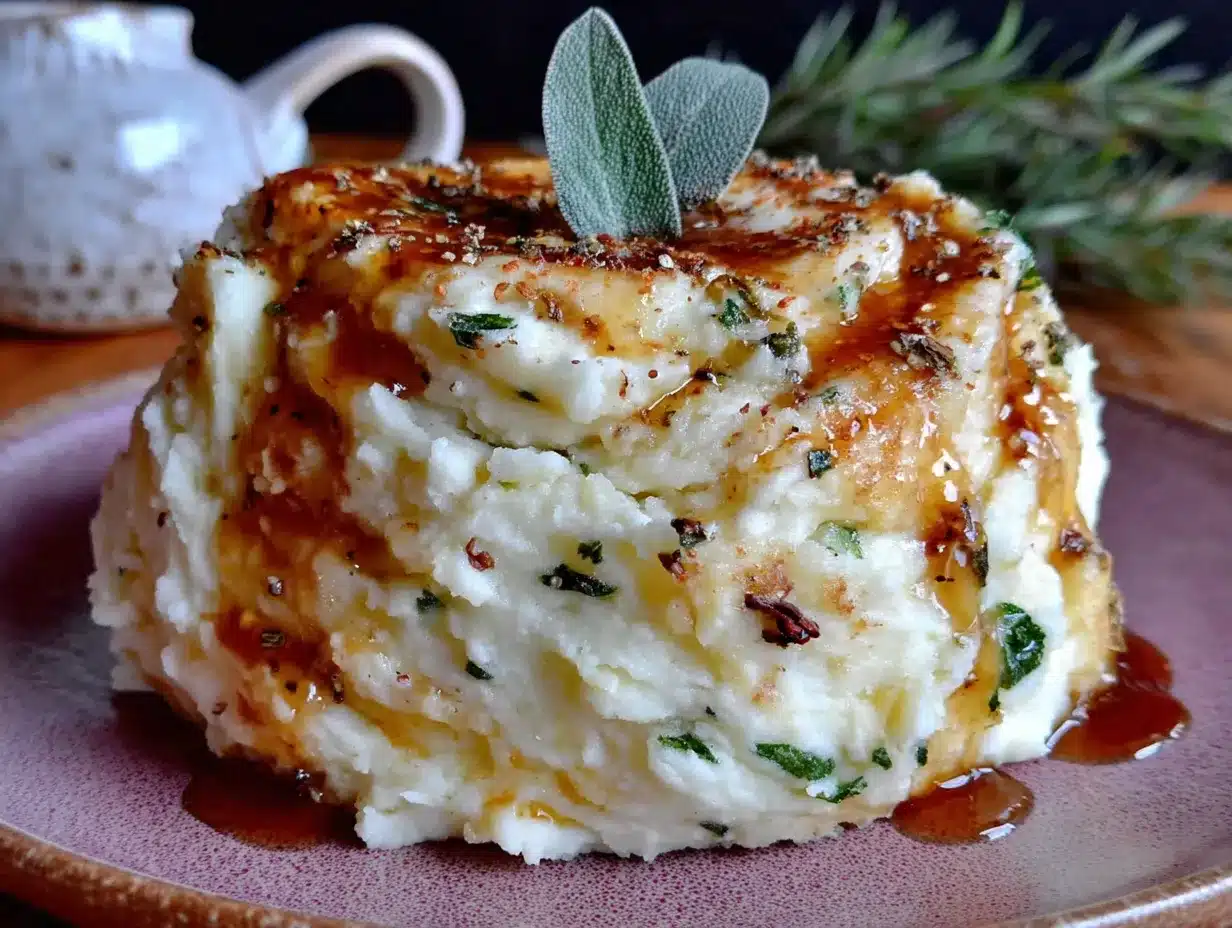
You don’t need much for this recipe, which is part of why I love it. Here’s what you’ll want to have ready:
- Large pot (4-5 quart)—for boiling the potatoes. Make sure it’s big enough that the potatoes have room to move around.
- Colander—for draining. Nothing fancy needed.
- Potato masher or ricer—I prefer a ricer for the smoothest texture, but a good old-fashioned masher works perfectly. I actually use a masher most of the time because I like a little texture. (Plus, it’s one less thing to wash.)
- Small skillet—for browning the butter. A light-colored pan helps you see the color change, but any skillet works.
- Rubber spatula—for scraping every last drop of that brown butter into the potatoes. Trust me, you don’t want to leave any behind.
- Measuring cups and spoons—though honestly, after the first time, you’ll probably eyeball it like my neighbor did.
If you don’t have a ricer, no worries. A masher gives you a more rustic texture that I actually prefer. And if you don’t have a small skillet for the butter, any pan will do—just keep a close eye on it.
Preparation Method
Let me walk you through this step by step. I’ve made these potatoes more times than I can count, so I’ll share all the little things I’ve learned along the way.
- Prep the potatoes (5 minutes). Scrub your Yukon Golds clean—no need to peel them. The skins add texture and nutrients, plus they help the potatoes hold their shape while boiling. Cut them into uniform 1½-inch chunks. This is important: if some pieces are bigger than others, they won’t cook evenly, and you’ll end up with mushy outsides and hard centers.
- Boil the potatoes (15-20 minutes). Place the potato chunks in your large pot and cover them with cold water by about an inch. Add a generous tablespoon of salt to the water—this seasons the potatoes from the inside out. Bring to a boil over high heat, then reduce to a simmer. Cook until a knife slides into the largest piece with no resistance, about 15-20 minutes. Don’t let them get so soft that they’re falling apart, or they’ll absorb too much water and turn gummy.
- Drain and steam (5 minutes). Drain the potatoes in a colander and let them sit for a full 5 minutes. This is the step most people skip, and it makes a huge difference. Letting the steam escape means the potatoes won’t be waterlogged, which gives you fluffier, creamier results. I usually use this time to warm my milk in the microwave and start the brown butter.
- Brown the butter and sage (5 minutes). While the potatoes are steaming, melt the butter in your small skillet over medium heat. Add the sage leaves. Swirl the pan constantly as the butter melts, foams, and then starts to turn golden. You’re looking for a deep amber color and a nutty aroma—this happens fast, so don’t walk away. When the butter is golden brown and the sage leaves are crispy (about 3-4 minutes total), remove the pan from heat. The butter will continue to darken slightly from the residual heat, so pull it off just before you think it’s ready.
- Mash the potatoes (3 minutes). Return the drained potatoes to the pot (or transfer to a warm bowl). Mash them until they’re mostly smooth with a few small lumps if you like texture. If you’re using a ricer, rice them directly into the pot. Don’t over-mash, or the starches will make them gluey.
- Add the yogurt and milk (2 minutes). Add the Greek yogurt and warm milk to the mashed potatoes. Fold gently with a rubber spatula until combined. The potatoes will look a little loose at first—don’t worry, they’ll tighten up as they sit. Season with salt and pepper, then taste and adjust.
- Finish with brown butter (1 minute). Pour the brown butter and crispy sage leaves over the potatoes. Fold gently to incorporate, reserving a few sage leaves and a drizzle of butter for the top. This is the moment where everything comes together—the nutty butter, the earthy sage, the creamy potatoes. Honestly, it smells incredible.
- Serve immediately (0 minutes). Transfer to a serving bowl, top with reserved crispy sage and a pinch of flaky sea salt if you’re using it. These potatoes are best hot, right after they’re made.
Cooking Tips & Techniques
I’ve messed up this recipe enough times to know exactly what can go wrong. Here’s what I’ve learned the hard way so you don’t have to:
Don’t overwork the potatoes. I once got distracted mid-mash and kept going until the potatoes were practically paste. They were gummy and sad. Mash just until the chunks are broken up, then stop. A few lumps are fine—they add character.
Warm your dairy. Cold yogurt or milk will cool down your potatoes instantly, and then you’ll be tempted to reheat them, which can make them gluey. Microwave your milk for 30 seconds and let your yogurt sit out while the potatoes boil. Small step, big difference.
Watch the brown butter like a hawk. The first time I made brown butter, I looked away for “just a second” to answer a text. Big mistake. It went from perfect to burnt in about 20 seconds. Keep swirling, keep watching. You want it the color of a copper penny, with little brown specks floating in the foam. That’s the milk solids toasting—that’s where the flavor lives.
Salt your water generously. This is the only chance you have to season the potatoes from the inside. The water should taste like the sea. If you’re worried about sodium, you can use less salt in the final seasoning.
Use a timer, not your eyes, for boiling. Set a timer for 15 minutes, then start checking. Potatoes that are slightly undercooked are salvageable (just boil a few more minutes). Overcooked potatoes that have started to fall apart? Not so much.
Make the brown butter first if you’re nervous. If the idea of timing the brown butter with the potatoes stresses you out, just make it first and set it aside. It will solidify slightly, but you can reheat it gently before adding it to the potatoes. No one will know.
Variations & Adaptations
One of the best things about this recipe is how flexible it is. Here are some ways I’ve adapted it over the years:
Dairy-Free Version: Swap the butter for a high-quality vegan butter (I like Miyoko’s or Country Crock Plant Butter) and use unsweetened oat milk instead of whole milk. For the yogurt, use a plain unsweetened coconut or soy yogurt. The brown butter flavor won’t be exactly the same, but the sage and nutty notes still come through beautifully.
Garlic Lover’s Twist: Add 3-4 cloves of smashed garlic to the pot while the potatoes boil. Mash them right in with the potatoes. The garlic gets mellow and sweet from boiling, and it pairs perfectly with the brown butter and sage. I do this when I’m serving these with roasted chicken—it’s a match made in heaven.
Herb Swap: Not a sage fan? No problem. Swap the sage for fresh thyme sprigs or rosemary needles. Both crisp up beautifully in brown butter. Thyme gives a more subtle, earthy flavor, while rosemary is bolder and almost piney. I’ve done rosemary for holiday dinners and it’s always a hit.
Loaded Version: Fold in ¼ cup of grated Parmesan or Pecorino Romano after mashing. The salty, nutty cheese takes these over the top. I did this once when I had leftover Parmesan in the fridge, and now I can’t go back.
Make It a Meal: Top these potatoes with a fried egg and some sautéed greens for a quick dinner. The runny yolk mixing into the brown butter potatoes is honestly one of my favorite things to eat.
Serving & Storage Suggestions
These Lighter Brown Butter Sage Mashed Potatoes are best served hot, right after you make them. But let’s be real—that’s not always how life works.
Serving: Transfer to a warm serving bowl and top with the reserved crispy sage leaves and a drizzle of the remaining brown butter. A sprinkle of flaky sea salt right before serving adds a nice crunch and pop of saltiness. These pair beautifully with roasted chicken, pan-seared pork chops, or a simple green salad with lemon vinaigrette. Honestly, I’ve eaten them as a main dish with a side of roasted vegetables and felt completely satisfied.
Storage: Leftovers keep in an airtight container in the refrigerator for up to 4 days. The texture will firm up a bit as they cool, but they reheat beautifully. I actually like them even better the next day—the flavors have had time to meld.
Reheating: The best way to reheat is in a skillet over medium-low heat with a splash of milk or water. Stir gently until warmed through. You can also microwave them in 30-second bursts, stirring between each. Add a little extra milk if they seem dry. The brown butter flavor will still be there, I promise.
Freezing: These freeze well for up to 2 months. Spoon cooled potatoes into a freezer-safe bag or container, flatten to remove air, and seal. To serve, thaw in the refrigerator overnight, then reheat gently on the stovetop with a splash of milk. The texture won’t be quite as fluffy as fresh, but they’re still delicious.
Nutritional Information & Benefits
Here’s the thing about these potatoes—they’re indulgent without being heavy, and that’s by design. Using Greek yogurt instead of heavy cream cuts the calories and fat significantly while adding protein and probiotics. Each serving (about ¾ cup) contains approximately:
- Calories: 220
- Fat: 9g
- Carbohydrates: 30g
- Protein: 6g
- Fiber: 3g
- Sugar: 3g
Yukon Gold potatoes are a good source of vitamin C, potassium, and B6, especially if you leave the skins on (which I recommend). The sage leaves aren’t just for show—sage has anti-inflammatory properties and is rich in antioxidants. And the brown butter? Well, it’s butter. But a little goes a long way when you’re using it intentionally.
This recipe is naturally vegetarian and can easily be made gluten-free and dairy-free with the swaps I mentioned above. It’s also lower in calories and fat than traditional mashed potatoes, without sacrificing any of the flavor or comfort factor.
Conclusion
I’ve made these Lighter Brown Butter Sage Mashed Potatoes more times than I can count, and they never get old. Every time I swirl that butter in the pan and watch it turn golden, I think about my neighbor standing in her kitchen, making something extraordinary without even trying. That’s the energy I want to bring to cooking—effortless, joyful, and a little bit magical.
These potatoes are proof that you don’t need heavy cream or a million ingredients to make something unforgettable. Just good butter, fresh sage, creamy potatoes, and a little bit of patience. They’re perfect for a holiday table, a cozy weeknight dinner, or a Tuesday when you just need something that feels special.
I’d love to hear how they turn out for you. Did you add garlic? Swap the sage for rosemary? Make them for a crowd? Drop a comment below and let me know—I read every single one. And if you share a photo on Pinterest, tag me so I can see your beautiful creation. Happy cooking, friend!
Frequently Asked Questions
Can I make these potatoes ahead of time?
Absolutely. You can make them up to 2 days ahead. Store them in the refrigerator, then reheat gently on the stovetop with a splash of milk. The brown butter flavor actually gets even better as it sits.
Can I use dried sage instead of fresh?
I wouldn’t recommend it for this recipe. Fresh sage leaves crisp up beautifully in the brown butter, giving you that lovely texture and intense flavor. Dried sage will just get soggy and bitter. If fresh sage isn’t available, try fresh thyme or rosemary instead.
Why did my brown butter burn?
Brown butter goes from perfect to burnt very quickly. Make sure you’re using medium heat and swirling the pan constantly. The moment you see amber color and smell that nutty aroma, pull it off the heat. The residual heat will continue to cook it slightly.
Can I use russet potatoes instead of Yukon Golds?
Yes, but you’ll need to adjust slightly. Russets are starchier and drier, so they’ll absorb more liquid. Start with the same amount of yogurt and milk, then add more if needed. You’ll also want to peel russets—their skins are too thick for mashed potatoes.
How do I keep mashed potatoes warm for a dinner party?
Transfer the finished potatoes to a slow cooker set to warm, or place the bowl over a pot of simmering water (double boiler style). Stir occasionally and add a splash of warm milk if they start to dry out. They’ll stay perfect for up to an hour.
Pin This Recipe!
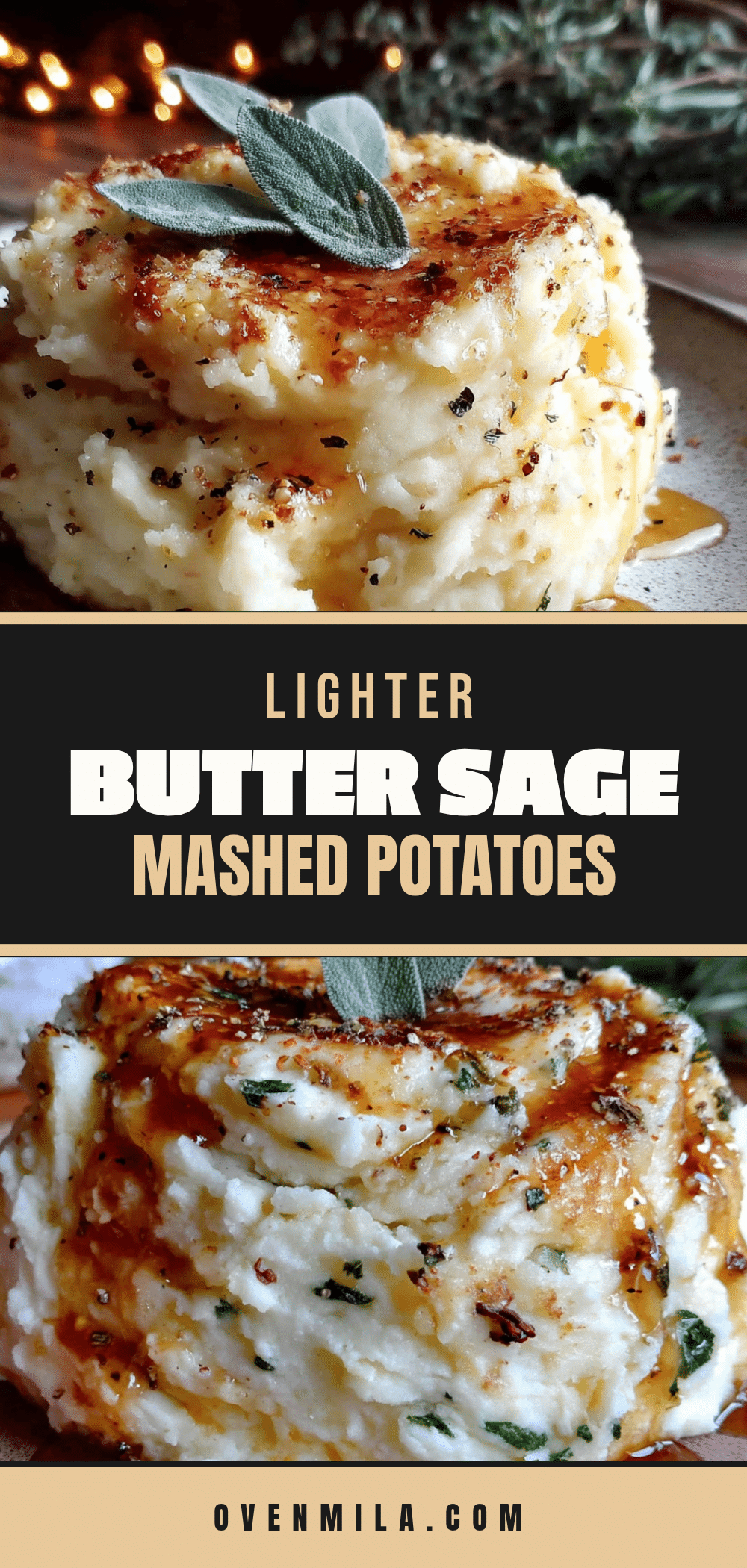
Lighter Brown Butter Sage Mashed Potatoes (Easy Side Dish)

These Lighter Brown Butter Sage Mashed Potatoes are rich, creamy, and indulgent without being heavy. Made with Greek yogurt instead of heavy cream, they’re a healthier twist on a classic comfort food that’s perfect for weeknights or holiday feasts.
- Prep Time: 10 minutes
- Cook Time: 25 minutes
- Total Time: 35 minutes
- Yield: 6 servings 1x
- Category: Side Dish
- Cuisine: American
Ingredients
- 2 pounds Yukon Gold potatoes (about 6 medium)
- 4 tablespoons unsalted butter (½ stick)
- 10–12 fresh sage leaves
- ½ cup plain Greek yogurt (full-fat or 2%)
- ¼ cup whole milk (warmed)
- 1½ teaspoons fine sea salt (plus more for boiling water)
- ½ teaspoon freshly ground black pepper
- Optional: flaky sea salt and extra crispy sage leaves for garnish
Instructions
- Prep the potatoes: Scrub Yukon Golds clean (no need to peel). Cut into uniform 1½-inch chunks.
- Boil the potatoes: Place chunks in a large pot, cover with cold water by 1 inch, and add a generous tablespoon of salt. Bring to a boil, then reduce to a simmer. Cook until a knife slides into the largest piece with no resistance, about 15-20 minutes.
- Drain and steam: Drain potatoes in a colander and let sit for 5 minutes to allow steam to escape. Meanwhile, warm the milk in the microwave.
- Brown the butter and sage: In a small skillet over medium heat, melt butter and add sage leaves. Swirl constantly until butter turns deep amber and smells nutty, about 3-4 minutes. Remove from heat immediately.
- Mash the potatoes: Return drained potatoes to the pot or a warm bowl. Mash until mostly smooth with a few small lumps if desired. Do not over-mash.
- Add yogurt and milk: Fold in Greek yogurt and warm milk with a rubber spatula until combined. Season with salt and pepper, then taste and adjust.
- Finish with brown butter: Pour brown butter and crispy sage leaves over potatoes. Fold gently to incorporate, reserving a few sage leaves and a drizzle of butter for topping.
- Serve immediately: Transfer to a serving bowl, top with reserved crispy sage and a pinch of flaky sea salt if desired.
Notes
Don’t overwork the potatoes to avoid gumminess. Warm dairy before adding to keep potatoes hot. Watch brown butter closely as it can burn quickly. Salt the boiling water generously for best flavor. For make-ahead, store in fridge up to 2 days and reheat gently with a splash of milk.
Nutrition
- Serving Size: ¾ cup
- Calories: 220
- Sugar: 3
- Sodium: 380
- Fat: 9
- Saturated Fat: 5
- Carbohydrates: 30
- Fiber: 3
- Protein: 6
Keywords: brown butter sage mashed potatoes, lighter mashed potatoes, healthy mashed potatoes, easy side dish, Yukon Gold potatoes, Greek yogurt mashed potatoes