I was standing in the frozen food aisle last Tuesday, staring at a bag of pre-cut butternut squash cubes, when the smell hit me. It wasn’t coming from the freezer, of course. It was a memory—sharp and sudden—of my neighbor Mrs. Petrov’s kitchen, the autumn I was maybe nine years old. She wasn’t actually a relative, but she was the kind of person who adopted every kid on the block, especially around dinnertime. Her house smelled like browned butter and nutmeg, and she always had a pot of something orange and bubbling on the stove. I remember standing on my tiptoes to watch her pour this velvety, golden sauce over a pile of macaroni, and I thought, honestly, that it was the most magical thing I had ever seen. I didn’t even know it had squash in it until she told me, and I didn’t care. It just tasted like comfort, like a hug in a bowl.
I forgot about that specific moment for years, until I was standing there in the grocery store, freezer door open, a cold draft wrapping around my ankles. I bought the squash, and a box of good pasta, and a block of sharp cheddar. I was chasing that feeling, you know? That warmth. The kind you can’t quite put your finger on but you know you need. I went home and started playing around, trying to recreate that creamy, slightly sweet, deeply savory sauce from my memory. This creamy butternut squash mac and cheese is the result of that quest. It’s not exactly Mrs. Petrov’s—I don’t think anyone could replicate that exactly—but it’s my version. It’s the one I keep making, every time the air gets crisp and I need something that feels like it’s wrapping its arms around me. And honestly, it might just be better than I remembered.
Why You’ll Love This Recipe
Let me tell you, I have tested a lot of mac and cheese recipes in my time. Some are too heavy, some are too bland, and some just don’t deliver that soul-satisfying creaminess you’re really after. This one? It hits different. It’s the recipe I bring to potlucks where people are suspicious of “healthy” food, and it’s the one I make on a Tuesday night when I need something that feels like a hug. Here is why it works so well:
- Quick & Easy: This comes together in under 40 minutes from start to finish. No complicated roux, no constant whisking. It’s a one-pot wonder that saves you from a mountain of dishes.
- Simple Ingredients: You don’t need a special grocery trip. Butternut squash, pasta, milk, cheese, and a few pantry spices are all you need. No heavy cream, no processed cheese blocks.
- Perfect for Cozy Dinners: This is the ultimate fall comfort food, but honestly, I make it year-round. It’s great for a weeknight dinner that feels special without being stressful.
- Crowd-Pleaser: I have served this to picky kids and skeptical adults, and it gets rave reviews every single time. They never guess there’s a whole vegetable hiding in the sauce.
- Unbelievably Delicious: The texture is what gets me. It’s silky and smooth, with a little bit of bite from the pasta, and the flavor is this perfect balance of sweet squash and sharp cheddar. It’s next-level comfort food.
What makes this different from every other mac and cheese out there is the technique. Instead of making a heavy cream-based sauce, you blend the cooked squash with milk and a little bit of the pasta water. It creates this incredibly velvety sauce that’s naturally thick and packed with flavor. It’s not just another version of mac and cheese—it’s the best version. It’s the kind of dish that makes you close your eyes after the first bite, because it’s that good. And the best part? You get a whole serving of vegetables without even noticing. It’s comfort food reimagined—healthier, faster, but with the same soul-soothing satisfaction.
What Ingredients You Will Need
This recipe uses simple, wholesome ingredients that work together to create a sauce that’s rich, creamy, and surprisingly healthy. Most of these are pantry staples or easy to find at any grocery store. Here is what you will need:
- Butternut Squash: You need about 2 cups of cubed, peeled squash. You can buy pre-cut cubes (I often grab a bag from the store when I’m short on time) or cut a whole squash yourself. If you cut it yourself, look for one that feels heavy for its size with a firm, tan skin. The squash is the star here—it gives the sauce its creamy texture and natural sweetness.
- Elbow Macaroni: I use about 8 ounces of dried elbow macaroni. Feel free to use any small pasta shape—shells, cavatappi, or even rotini work great. For a gluten-free option, use your favorite gluten-free pasta, but be careful not to overcook it.
- Sharp Cheddar Cheese: This is where the flavor comes from. I recommend grating your own block of sharp cheddar rather than using pre-shredded cheese. Pre-shredded cheese has anti-caking agents that prevent it from melting smoothly. You need about 1 ½ cups of freshly grated cheddar.
- Milk: Whole milk gives the creamiest result, but 2% works perfectly fine too. For a dairy-free version, you can use unsweetened oat milk or canned coconut milk (the full-fat kind). Avoid skim milk—it can make the sauce a bit watery.
- Garlic: Two cloves of fresh garlic, minced. It adds a subtle savory note that balances the sweetness of the squash. Don’t skip it!
- Butter: A tablespoon of unsalted butter for sautéing the garlic. You can use olive oil if you prefer, but butter adds a nice richness.
- Chicken or Vegetable Broth: About ½ cup. It helps cook the squash and adds depth of flavor. I use low-sodium broth so I can control the salt.
- Spices: You will need salt, black pepper, a pinch of nutmeg, and a pinch of cayenne pepper. The nutmeg is non-negotiable—it brings out the sweetness of the squash and adds that warm, cozy flavor. The cayenne is optional but adds a tiny kick that makes the cheese pop.
- Optional Toppings: A sprinkle of panko breadcrumbs mixed with a little melted butter makes a fantastic crunchy topping. You can also add a handful of fresh sage leaves, fried in butter, for a beautiful, aromatic garnish.
I like to use Cabot brand cheddar for its sharp, consistent flavor. For the squash, I honestly just grab whatever bag of pre-cut cubes looks freshest at the store. It saves so much time, and it’s already peeled and seeded. If you’re using a whole squash, look for one that’s firm and heavy, with a deep orange color inside.
Equipment Needed
You don’t need a lot of fancy gear for this recipe, which is one of the reasons I love it. Here is what you will need:
- Large Pot or Dutch Oven: A 4- to 5-quart pot is ideal. I use my trusty Le Creuset Dutch oven because it holds heat beautifully, but any large, heavy-bottomed pot will work. You’ll use this for cooking the squash and the pasta.
- Blender or Immersion Blender: This is the key to that silky smooth sauce. A regular countertop blender works great—just be careful when blending hot liquids. An immersion blender is even easier because you can blend the sauce right in the pot. If you don’t have either, you can mash the squash very well with a potato masher, but the sauce won’t be as smooth.
- Box Grater: For grating your cheese. It’s a small tool that makes a big difference in how your sauce melts.
- Wooden Spoon or Silicone Spatula: For stirring the pasta and sauce. A silicone spatula is great for scraping every last bit of sauce out of the pot.
- Measuring Cups and Spoons: For accurate measurements. I find that using a liquid measuring cup for the milk and broth makes pouring easier.
- Sharp Knife and Cutting Board: If you’re cutting a whole squash, you’ll need a good, sharp chef’s knife. A dull knife can be dangerous with hard squash.
If you don’t have a blender, don’t worry. You can cook the squash until it’s very tender and then mash it thoroughly with a potato masher or even a fork. The sauce will be a little more rustic, but it will still be delicious. I’ve done it that way when my blender was in the dishwasher, and it worked just fine.
Preparation Method
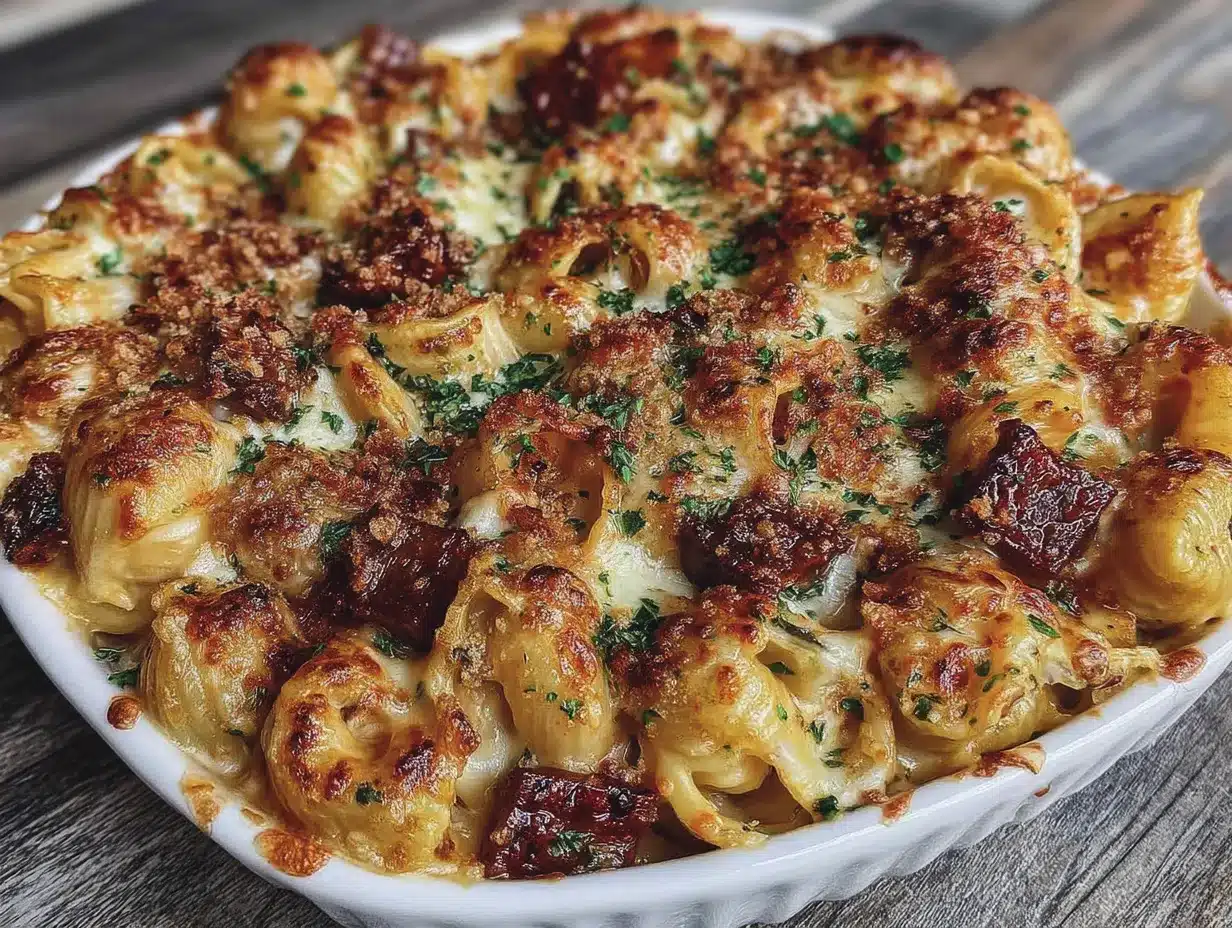
Let me walk you through this step by step. It’s easier than you think, I promise.
- Cook the Squash: In your large pot, melt 1 tablespoon of butter over medium heat. Add the minced garlic and cook for about 30 seconds, until it smells amazing. Add the 2 cups of cubed butternut squash and the ½ cup of broth. Cover the pot and let it simmer for 12 to 15 minutes, or until the squash is very tender when pierced with a fork. You want it to be almost falling apart. If the liquid evaporates before the squash is done, add a splash more broth or water.
- Cook the Pasta: While the squash is cooking, bring a separate large pot of salted water to a boil. Add the 8 ounces of elbow macaroni and cook according to the package directions until al dente. I usually cook it for about 1 minute less than the package says, because it will continue to cook a little when you mix it with the sauce. Before you drain the pasta, reserve about ½ cup of the starchy pasta water. Then drain the pasta and set it aside.
- Blend the Sauce: Once the squash is tender, transfer the cooked squash and any remaining liquid to your blender. Add 1 cup of milk, ½ teaspoon of salt, ¼ teaspoon of black pepper, a pinch of nutmeg, and a pinch of cayenne pepper. Blend on high until the mixture is completely smooth and velvety. Be careful here—hot liquids expand in the blender, so I recommend removing the center cap of the lid and covering it with a clean kitchen towel to let steam escape. If the sauce seems too thick, add a splash of the reserved pasta water and blend again.
- Combine and Melt: Pour the smooth squash sauce back into the pot you used for the squash. Add the drained pasta and 1 ½ cups of freshly grated sharp cheddar cheese. Stir everything together over low heat until the cheese is fully melted and the sauce coats every piece of pasta. If it looks a little thick, add a splash of the reserved pasta water—this is the secret to a perfectly creamy sauce. The pasta water has starch in it that helps bind the sauce to the pasta.
- Taste and Adjust: This is the most important step. Taste your mac and cheese and adjust the seasoning. Does it need more salt? A little more pepper? Maybe another pinch of nutmeg? I always add a little more than I think I need, because the flavors mellow as it sits.
- Optional: Make it Crispy: If you want a crunchy topping, preheat your broiler. Transfer the mac and cheese to a baking dish, sprinkle with a mixture of ½ cup panko breadcrumbs and 1 tablespoon melted butter, and broil for 2 to 3 minutes until golden brown. Watch it closely so it doesn’t burn.
- Serve Immediately: Spoon the mac and cheese into bowls and serve while it’s hot and creamy. It will thicken as it cools, so eat it right away for the best texture.
Cooking Tips & Techniques
I have made this recipe more times than I can count, and I have learned a few things along the way. Here are my best tips for getting it perfect every time.
Don’t skip the nutmeg. I know it sounds weird, but nutmeg is the secret ingredient that makes the squash taste almost like a mild, sweet cheese. It adds a warmth that you can’t quite identify but you’ll definitely miss if it’s not there. I once forgot to add it, and the sauce was just… flat. Trust me on this one.
Grate your own cheese. I know it’s tempting to buy the bag of pre-shredded cheese, but it really does make a difference. The anti-caking agents in pre-shredded cheese keep it from melting smoothly, so you end up with a grainy sauce instead of a silky one. It takes two minutes to grate a block of cheddar, and the texture is so much better.
Reserve that pasta water. This is a tip I learned from making classic pasta dishes. The starchy water is a secret weapon for creamy sauces. It helps thicken the sauce and makes it cling to the pasta. I always save at least a cup, even if I think I won’t need it. Better to have it and not use it than to need it and not have it.
Don’t overcook the pasta. I have made this mistake so many times. Overcooked pasta turns mushy and falls apart when you stir it into the sauce. Cook it al dente, or even a little firmer than you think you want. It will continue to soften as it sits in the warm sauce.
Blend carefully. Hot liquids in a blender can be dangerous. The steam builds up pressure and can blow the lid off. Always remove the center cap and cover the hole with a towel. Start blending on low speed and gradually increase to high. If you have an immersion blender, this step is much easier—you can blend the sauce right in the pot.
Variations & Adaptations
One of the best things about this recipe is how easy it is to change up. Here are some of my favorite variations.
Make it vegan. Use a high-quality vegan cheddar shreds (I like the Violife brand) and substitute the butter with olive oil. For the milk, use unsweetened oat milk or full-fat canned coconut milk. The sauce will be a little different in texture, but it’s still creamy and delicious.
Add some protein. Stir in some cooked, crumbled bacon or crispy pancetta right before serving. The salty, smoky flavor pairs beautifully with the sweet squash. I’ve also added shredded rotisserie chicken for a more filling meal.
Switch up the cheese. While sharp cheddar is my go-to, you can use a mix of cheeses. Smoked gouda adds a wonderful smoky depth, and Gruyère melts like a dream. A little bit of Parmesan mixed in adds a salty, umami kick.
Go gluten-free. Use your favorite gluten-free pasta. I’ve had good luck with brown rice pasta and chickpea pasta. Just be sure to cook it according to the package directions, as gluten-free pasta can go from al dente to mushy very quickly.
Add some greens. Stir in a handful of fresh spinach or chopped kale at the very end, just before serving. The heat from the sauce will wilt the greens perfectly. It’s an easy way to add even more nutrients without changing the flavor much.
I once tried a version with roasted red pepper blended into the sauce, and it was surprisingly good. It added a smoky sweetness that worked really well. Don’t be afraid to experiment a little—this recipe is very forgiving.
Serving & Storage Suggestions
This mac and cheese is best served hot, straight from the pot. The sauce is at its creamiest right after you make it, so I recommend serving it immediately. Spoon it into bowls and top with a little extra grated cheese or a sprinkle of fresh black pepper. If you made the crispy panko topping, make sure to get some of those crunchy bits in every bowl.
For a complete meal, I like to serve this with a simple green salad dressed with a lemony vinaigrette. The acidity cuts through the richness of the cheese and squash perfectly. It’s also great alongside roasted broccoli or a handful of steamed green beans. If you’re feeling fancy, a glass of crisp white wine like a Sauvignon Blanc is a lovely pairing.
Storage: If you have leftovers (which is rare in my house), let the mac and cheese cool completely before transferring it to an airtight container. It will keep in the refrigerator for up to 4 days. The sauce will thicken significantly as it cools, so don’t be alarmed if it looks more like a solid block than a creamy sauce.
Reheating: This is the trickiest part. To reheat, add a splash of milk or broth to the mac and cheese and stir it gently while reheating on the stovetop over low heat. The added liquid will help loosen the sauce and bring back some of that creamy texture. You can also reheat it in the microwave in 30-second bursts, stirring between each one. Add a little milk each time. Avoid high heat, which can make the cheese sauce separate and become grainy.
The flavors do deepen after a day in the fridge. I actually think leftovers taste even better, especially if you reheat them with a little extra milk and a sprinkle of fresh cheese on top. It’s like a whole new dish.
Nutritional Information & Benefits
Here are the estimated nutritional values for one serving (about 1 ½ cups) of this creamy butternut squash mac and cheese, based on the recipe as written:
- Calories: 420
- Fat: 18g
- Saturated Fat: 10g
- Carbohydrates: 48g
- Fiber: 5g
- Sugar: 8g
- Protein: 18g
- Sodium: 580mg
This dish is a great way to get a serving of vegetables in a way that feels indulgent. Butternut squash is packed with vitamin A (great for your eyes and immune system), vitamin C, and fiber. Using a whole food like squash as the base of the sauce means you’re getting more nutrients than you would from a traditional cream-based sauce. The sharp cheddar adds protein and calcium, and the whole milk provides a good dose of vitamin D.
If you’re watching your sodium, use low-sodium broth and reduce the added salt. You can also use a lower-fat milk, but the sauce won’t be quite as creamy. For a lower-carb option, you can swap the pasta for steamed cauliflower florets—it’s not quite the same, but it’s surprisingly good.
I love that this recipe lets me have a bowl of comfort food without feeling like I need to take a nap afterwards. It’s filling and satisfying, but it doesn’t weigh you down. That’s the kind of balance I’m always looking for in my cooking.
Conclusion
Honestly, this creamy butternut squash mac and cheese has become my go-to recipe for so many reasons. It’s quick enough for a busy Tuesday, but it feels special enough for a Sunday dinner. It’s packed with vegetables, but it tastes like pure indulgence. It’s the kind of recipe that makes you feel good about what you’re eating, without sacrificing any of the comfort you’re craving.
I hope you give it a try and make it your own. Maybe you’ll add extra cayenne for heat, or swap in smoked gouda for a different flavor. Maybe you’ll serve it with a crunchy panko topping, or stir in some fresh spinach. Whatever you do, I’d love to hear about it. Come back and leave a comment to let me know how it turned out, or share your own twist on the recipe. Your feedback helps other readers discover new ways to enjoy this dish.
So go ahead—grab a butternut squash, grate some cheese, and make yourself a bowl of something truly comforting. You deserve it.
Frequently Asked Questions
Can I use frozen butternut squash instead of fresh?
Absolutely! Frozen cubed butternut squash works perfectly in this recipe. You don’t even need to thaw it first—just add it directly to the pot with the broth and cook until tender. The cooking time might be a minute or two longer, but the result is the same.
My sauce turned out too thick. How can I fix it?
This is an easy fix. Simply stir in a splash of the reserved pasta water or a little extra milk until the sauce reaches your desired consistency. The starch in the pasta water helps keep the sauce smooth, so I always recommend using that first.
Can I make this recipe ahead of time?
Yes, you can. Prepare the mac and cheese completely, but don’t add the crispy topping if you’re using one. Let it cool, then cover and refrigerate for up to 2 days. When you’re ready to serve, reheat it gently on the stovetop with a splash of milk, then transfer it to a baking dish, add the panko topping, and broil for a few minutes until bubbly and golden.
My sauce tastes grainy. What went wrong?
Grainy sauce is usually caused by using pre-shredded cheese or overheating the sauce. Pre-shredded cheese contains anti-caking agents that don’t melt smoothly. Always grate your own cheese from a block. Also, make sure you’re melting the cheese over low heat and stirring constantly. High heat can cause the cheese to separate and become grainy.
Can I use a different type of squash?
Yes! You can substitute butternut squash with other winter squashes like kabocha, acorn squash, or even pumpkin. The flavor will be slightly different, but the creamy texture will still work. I’ve used canned pumpkin puree in a pinch, and it turned out great—just reduce the amount of milk slightly, as pumpkin puree is more watery than cooked squash.
Pin This Recipe!
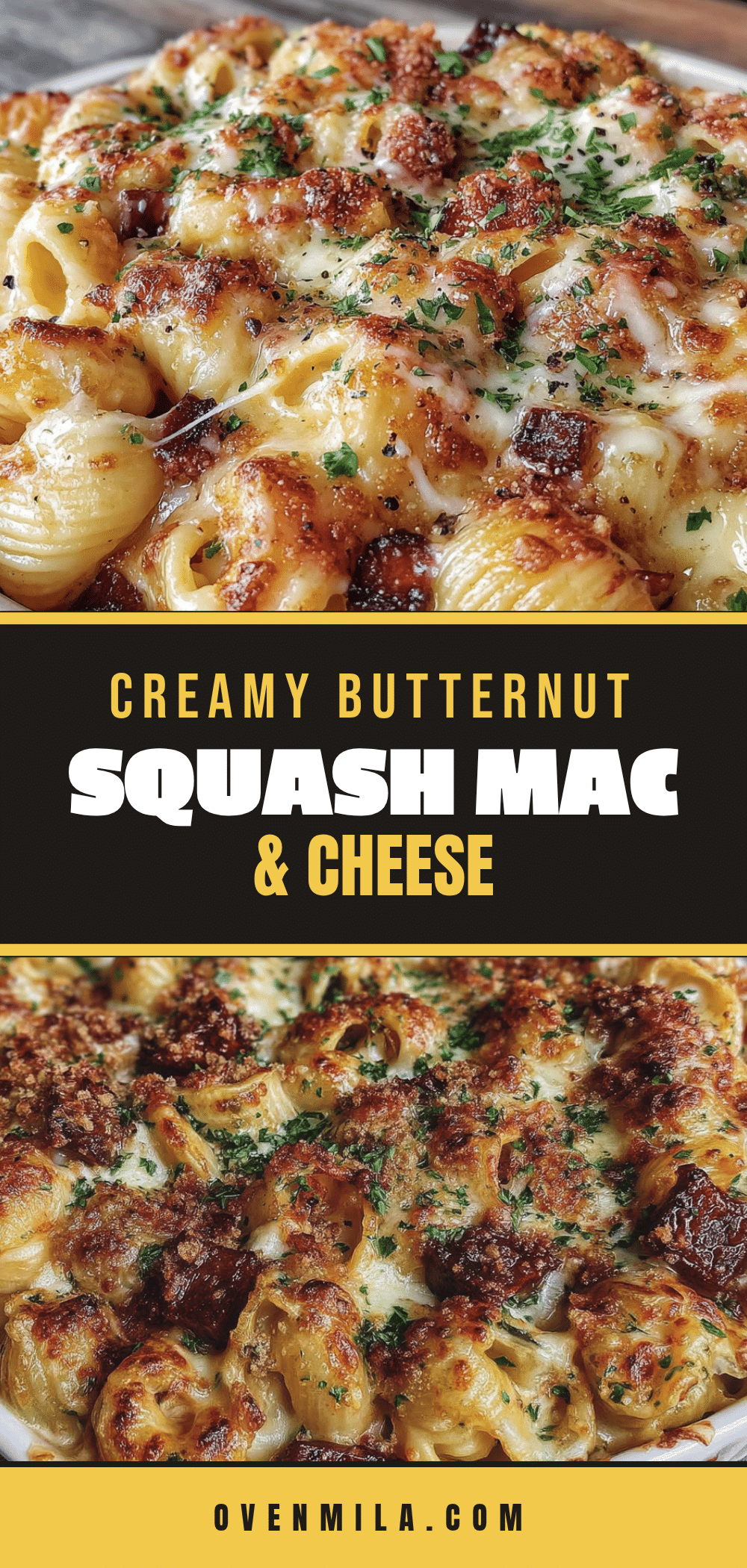
Creamy Butternut Squash Mac and Cheese: Easy One-Pot Dinner

This creamy butternut squash mac and cheese is a quick, one-pot comfort food that’s packed with vegetables and flavor. It’s the perfect cozy dinner for busy weeknights.
- Prep Time: 10 minutes
- Cook Time: 25 minutes
- Total Time: 35 minutes
- Yield: 4 servings 1x
- Category: Main Course
- Cuisine: American
Ingredients
- 2 cups cubed butternut squash (fresh or frozen)
- 8 ounces elbow macaroni (or other small pasta)
- 1 ½ cups sharp cheddar cheese, freshly grated
- 1 cup whole milk (or 2%)
- 2 cloves garlic, minced
- 1 tablespoon unsalted butter
- ½ cup low-sodium chicken or vegetable broth
- ½ teaspoon salt
- ¼ teaspoon black pepper
- Pinch of nutmeg
- Pinch of cayenne pepper (optional)
- ½ cup panko breadcrumbs (optional, for topping)
- 1 tablespoon melted butter (optional, for topping)
Instructions
- In a large pot or Dutch oven, melt 1 tablespoon butter over medium heat. Add minced garlic and cook for 30 seconds until fragrant.
- Add cubed butternut squash and broth. Cover and simmer for 12-15 minutes until squash is very tender.
- While squash cooks, bring a separate large pot of salted water to a boil. Cook pasta according to package directions until al dente. Reserve ½ cup pasta water before draining. Drain pasta and set aside.
- Transfer cooked squash and any remaining liquid to a blender. Add milk, salt, pepper, nutmeg, and cayenne. Blend until smooth and velvety. (Remove center cap of blender lid and cover with a towel to let steam escape.)
- Pour the blended sauce back into the pot. Add drained pasta and grated cheddar cheese. Stir over low heat until cheese is melted and sauce coats the pasta. Add reserved pasta water a splash at a time if sauce is too thick.
- Taste and adjust seasoning with more salt, pepper, or nutmeg as needed.
- Optional: For a crispy topping, preheat broiler. Transfer mac and cheese to a baking dish, sprinkle with panko mixed with melted butter, and broil 2-3 minutes until golden brown.
- Serve immediately while hot and creamy.
Notes
Don’t skip the nutmeg—it enhances the squash’s sweetness. Always grate your own cheese for a smooth sauce. Reserve pasta water to adjust sauce consistency. For a vegan version, use vegan cheddar, olive oil, and unsweetened oat milk.
Nutrition
- Serving Size: 1 ½ cups
- Calories: 420
- Sugar: 8
- Sodium: 580
- Fat: 18
- Saturated Fat: 10
- Carbohydrates: 48
- Fiber: 5
- Protein: 18
Keywords: butternut squash mac and cheese, one-pot mac and cheese, healthy mac and cheese, fall comfort food, easy weeknight dinner