The neighborhood potluck was in three hours and I’d completely forgotten. Everyone else would be bringing their signature dishes — that famous lasagna from across the street, the homemade bread from the retired baker two doors down, and the gourmet salads that always look like they belong on a magazine cover. I had half a butternut squash sitting in my fridge, some cheese that was nearing its expiration date, and a box of pasta that I’d bought on a whim.
Honestly, I almost just grabbed a bottle of wine and called it a day. But then I remembered my neighbor mentioning her kid was allergic to dairy and gluten, and I thought — maybe I could make something that actually worked for everyone. I mean, how hard could it be to throw a few things in one pot and hope for the best?
So there I was, frantically chopping squash while my cat wound around my ankles, wondering if this was going to be a disaster or a miracle. The timer was ticking, and I had no backup plan. But let me tell you — sometimes the best recipes come from pure panic and a fridge full of mismatched ingredients. By the time I walked into that potluck with my steaming pot of butternut squash mac and cheese, I had no idea it would be the dish everyone asked for seconds of. Maybe you’ve been there — when you throw something together under pressure and it somehow turns out better than anything you’ve planned for weeks.
That’s this recipe. It’s the one that started as a desperate scramble and ended up as a regular in my weeknight rotation. No fancy techniques, no special trips to the store — just honest, creamy, comforting mac and cheese with a veggie boost that nobody even notices.
Why You’ll Love This Recipe
Let me be real with you — I’ve tested this recipe at least a dozen times to get it just right. I wanted something that felt indulgent but didn’t require standing over a stove for an hour. Here’s why this one sticks:
- Quick & Easy: From start to finish, this comes together in about 30 minutes. No separate pots for pasta and sauce — everything happens in one pot. That’s less dishes, less stress, and more time for literally anything else.
- Simple Ingredients: You probably already have most of what you need. Butternut squash, pasta, milk, cheese, and a few pantry staples. No weird ingredients that you’ll use once and forget about.
- Perfect for Weeknights: This is the kind of meal that saves you on a Tuesday when you’re tired, hungry, and the last thing you want to do is cook. It’s comfort food that doesn’t demand much from you.
- Crowd-Pleaser: I’ve served this to kids who claim they hate vegetables, picky eaters, and even my dad who swears by traditional mac and cheese. Every single time, the pot comes back empty.
- Unbelievably Delicious: The butternut squash blends into the cheesiest, creamiest sauce you’ve ever had. You won’t taste the squash — I promise. You’ll just taste rich, velvety comfort.
What makes this different from other butternut squash mac and cheese recipes? It’s the technique. Instead of roasting the squash separately (which takes forever), you cook it right in the pot with the pasta. The squash breaks down and blends into the sauce naturally, saving you time and giving you one less dish to wash. It’s not just another version — it’s the version that respects your time and your taste buds.
This recipe isn’t just good — it’s the kind that makes you close your eyes after the first bite. It’s comfort food reimagined — faster, easier, but with the same soul-soothing satisfaction. Perfect for impressing guests without stress, or turning a simple weeknight into something memorable.
What Ingredients You Will Need
This recipe uses simple, wholesome ingredients that work together to create a creamy, flavorful sauce without any heavy cream or processed cheese. You’ll find most of these in your kitchen already.
- Butternut Squash (2 cups, peeled and cubed) — The star of the show. Look for squash that feels heavy for its size with firm, unblemished skin. I prefer using pre-cut cubes from the store when I’m in a hurry — they save so much time.
- Elbow Macaroni (2 cups, about 8 oz) — Classic choice, but any small pasta shape works. I’ve used shells, rotini, and even ditalini with great results.
- Whole Milk (2 cups) — Adds richness without being too heavy. You can use 2% or even oat milk in a pinch, but whole milk gives the creamiest texture.
- Chicken or Vegetable Broth (2 cups) — Adds savory depth. I recommend using low-sodium so you can control the salt. Vegetable broth keeps this vegetarian-friendly.
- Sharp Cheddar Cheese (1½ cups, shredded) — Use freshly shredded cheese for the best melt. Pre-shredded cheese has anti-caking agents that can make your sauce grainy.
- Parmesan Cheese (½ cup, grated) — Adds nutty, salty flavor that complements the squash beautifully.
- Garlic (3 cloves, minced) — Because everything is better with garlic.
- Onion (½ medium, finely diced) — Adds a subtle sweetness that balances the squash.
- Butter (2 tablespoons) — For sautéing the aromatics and adding richness.
- Dijon Mustard (1 teaspoon) — Trust me on this one. It adds a tangy depth that makes the cheese sauce pop.
- Salt and Black Pepper (to taste) — Season as you go for best results.
- Pinch of Nutmeg (optional but recommended) — A tiny amount enhances the squash and cheese flavors beautifully.
Substitution Notes: For a dairy-free version, use plant-based milk, vegan butter, and your favorite dairy-free cheese shreds. For gluten-free, swap in your preferred gluten-free pasta — just adjust the cooking time slightly. If you don’t have butternut squash, you can use sweet potato or pumpkin puree instead.
Equipment Needed
You don’t need a lot of fancy tools for this one — that’s the beauty of a one-pot recipe.
- Large Pot or Dutch Oven (5-6 quart) — A heavy-bottomed pot works best for even heat distribution. I use my enameled Dutch oven and it’s perfect.
- Wooden Spoon or Silicone Spatula — For stirring without scratching your pot.
- Cutting Board and Sharp Knife — For prepping the squash and aromatics.
- Cheese Grater — Please grate your own cheese. It makes a huge difference in the sauce texture.
- Measuring Cups and Spoons — For accurate measurements.
- Lid — Your pot needs a lid for simmering the pasta and squash together.
If you don’t have a Dutch oven, any large, deep pot will do. Just make sure it’s big enough to hold everything with room to stir. I’ve made this in a regular stockpot and it worked just fine — the key is keeping the heat medium-low to prevent scorching.
Preparation Method
- Prep your ingredients first. Peel and cube the butternut squash into ½-inch pieces. The smaller you cut them, the faster they’ll cook. Dice your onion and mince your garlic. Shred your cheddar cheese. Having everything ready makes the process smooth and stress-free.
- Sauté the aromatics. Place your large pot over medium heat and add the butter. Once it melts and starts to sizzle, add the diced onion. Cook for 3-4 minutes until it becomes translucent and fragrant. Add the minced garlic and cook for another 30 seconds — just until you can smell it. Don’t let the garlic brown or it’ll turn bitter.
- Add the liquids. Pour in the milk and broth, then add the cubed butternut squash. Stir everything together and bring it to a gentle boil. You should see small bubbles breaking the surface, not a rolling boil that might scorch the milk.
- Add the pasta. Stir in the elbow macaroni, Dijon mustard, salt, pepper, and nutmeg if using. Give it a good stir to make sure the pasta is submerged in the liquid. Reduce the heat to medium-low and cover the pot with a lid.
- Simmer and stir. Let it cook for 10-12 minutes, stirring every 2-3 minutes to prevent the pasta from sticking to the bottom. The pasta should be tender and most of the liquid should be absorbed. The squash will be soft enough to break apart easily.
- Mash the squash. Remove the pot from the heat. Use a potato masher or the back of a wooden spoon to mash the butternut squash pieces right in the pot. They should break down easily into a creamy puree that coats the pasta. Don’t worry if there are a few small chunks — that’s actually nice for texture.
- Add the cheese. While the mixture is still hot, add the shredded cheddar and grated Parmesan. Stir vigorously until the cheese is completely melted and the sauce is smooth and creamy. The residual heat from the pot will melt the cheese perfectly. If the sauce seems too thick, add a splash of warm milk or broth to loosen it up.
- Taste and adjust. Give it a taste and adjust the seasoning. You might want more salt, a crack of black pepper, or an extra pinch of nutmeg. Trust your taste buds here.
- Serve immediately. Scoop into bowls while it’s hot and creamy. The sauce will thicken as it cools, so eat it right away for the best texture.
Pro tip from my kitchen: If you’re making this ahead, undercook the pasta by about 2 minutes. When you reheat it, the pasta will absorb some liquid and finish cooking without turning mushy. I learned this the hard way after a few too many reheated bowls of sad, soggy mac and cheese.
Cooking Tips & Techniques
I’ve made this recipe enough times to know where things can go wrong. Here’s what I’ve learned:
Don’t skip the stirring. I know it’s tempting to just set a timer and walk away, but one-pot pasta needs attention. The pasta releases starch as it cooks, and without stirring, it can stick to the bottom and burn. Set a timer for every 2-3 minutes and give it a good stir. Your future self will thank you.
Watch your heat. Medium-low is your friend here. High heat will scorch the milk before the pasta has a chance to cook through. If you see the liquid bubbling too vigorously, turn it down. Patience pays off with a creamy, not grainy, sauce.
Grate your own cheese. I cannot stress this enough. Pre-shredded cheese is coated with cellulose and starches to prevent clumping, which also prevents it from melting smoothly. Freshly shredded cheddar melts like a dream and gives you that silky, stretchy sauce you’re after. It takes an extra minute and it’s worth every second.
Season as you go. Add a pinch of salt when you sauté the onions, another when you add the liquids, and taste before you add the cheese. Cheese is salty, so you might need less salt than you think. Seasoning in layers builds deeper flavor.
The squash is your secret weapon. If you’re worried about the squash flavor being too strong, don’t be. The cheese, mustard, and nutmeg completely mask it. What the squash does is add incredible creaminess and a subtle sweetness that makes this mac and cheese next-level. I’ve served this to people who hate butternut squash and they had no idea it was in there.
Variations & Adaptations
One of the best things about this recipe is how flexible it is. Here are some ways I’ve adapted it over time:
Make it spicy: Add ½ teaspoon of red pepper flakes along with the garlic, or stir in a diced jalapeño for a kick. The heat pairs beautifully with the creamy squash sauce.
Add protein: Stir in cooked, crumbled bacon or pancetta at the end for a smoky, salty crunch. Leftover rotisserie chicken works great too — just shred it and fold it in with the cheese.
Go green: Toss in a handful of fresh spinach or kale during the last 2 minutes of cooking. It wilts down into the sauce and adds color and nutrients without changing the flavor much.
Try different cheeses: Smoked gouda, gruyere, or fontina all work beautifully in place of some of the cheddar. I once made a version with half cheddar and half smoked gouda and it was incredible — like a campfire in a bowl.
Make it vegan: Use plant-based milk, vegan butter, and your favorite dairy-free cheese. Nutritional yeast (about 2 tablespoons) adds a cheesy, nutty flavor that helps replicate the real thing. I’ve tested this with oat milk and cashew cheese and it was surprisingly good.
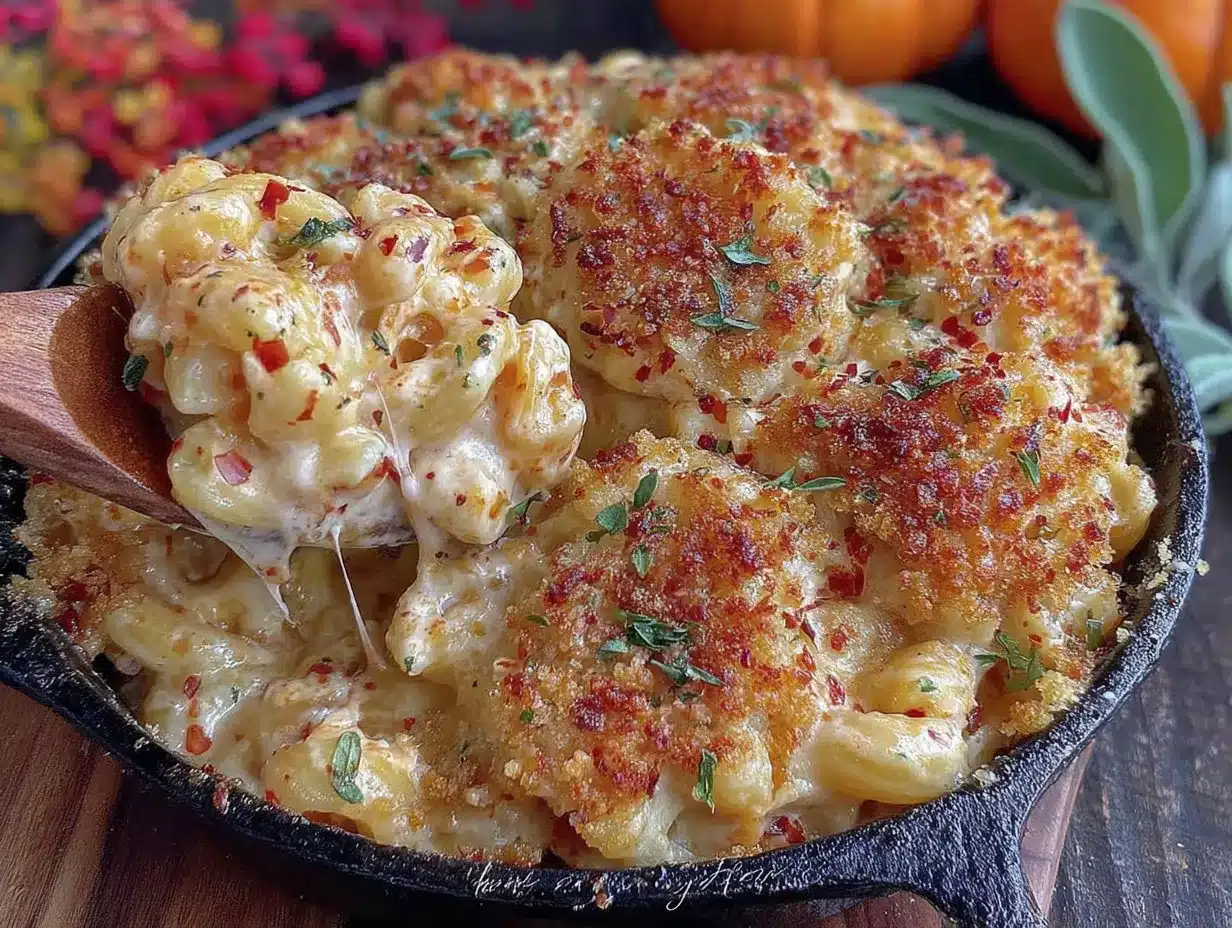
Top it off: Transfer the finished mac and cheese to a baking dish, top with buttered breadcrumbs, and broil for 2-3 minutes until golden and crispy. It adds a lovely crunch that contrasts with the creamy pasta.
My personal favorite variation? I add a handful of roasted broccoli florets and some crispy bacon bits on top. The broccoli gets coated in that creamy sauce, and the bacon adds just the right amount of salt and crunch. It’s become my go-to comfort dinner after a long week.
Serving & Storage Suggestions
This mac and cheese is best served immediately, straight from the pot while it’s hot and creamy. The sauce is at its peak right after you stir in the cheese — it’s velvety, rich, and coats every piece of pasta perfectly.
What to serve with it: A simple green salad with a tangy vinaigrette balances the richness beautifully. Roasted vegetables like broccoli, asparagus, or Brussels sprouts are also great companions. If you want to keep it cozy, serve it with a slice of crusty bread for sopping up every last bit of sauce.
Storage: Store leftovers in an airtight container in the refrigerator for up to 4 days. The pasta will absorb some of the sauce as it sits, so it will be thicker when reheated. That’s normal — just add a splash of milk or broth when you reheat it to bring back the creamy texture.
Freezing: This recipe freezes surprisingly well. Let it cool completely, then transfer to a freezer-safe container. It will keep for up to 3 months. To reheat, thaw in the refrigerator overnight, then warm in a pot over medium-low heat with a splash of milk, stirring occasionally until hot.
Reheating tips: The microwave works in a pinch, but the stovetop gives you better results. Reheat gently over medium-low heat, adding a tablespoon of milk at a time until the sauce loosens up. Stir frequently to prevent sticking. If you’re reheating a large batch, add the milk gradually — you might need more than you think.
One thing I’ve noticed — the flavors actually deepen after a day in the fridge. The squash and cheese meld together even more, and the sauce becomes almost caramelized in flavor. It’s different from the fresh version, but equally delicious in its own way.
Nutritional Information & Benefits
Here’s the thing — this is still mac and cheese, so it’s comfort food first and foremost. But the butternut squash adds some serious nutritional perks that make you feel a little better about having a second serving.
| Nutrient | Per Serving (approx. 1½ cups) |
|---|---|
| Calories | 420 |
| Total Fat | 18g |
| Saturated Fat | 10g |
| Carbohydrates | 48g |
| Fiber | 5g |
| Protein | 18g |
| Vitamin A | 180% DV |
| Vitamin C | 25% DV |
| Calcium | 30% DV |
| Iron | 15% DV |
Health highlights: Butternut squash is packed with vitamin A, which supports eye health and immune function. It’s also a good source of fiber, which helps with digestion and keeps you feeling full. The milk and cheese provide calcium for strong bones, and the whole wheat pasta (if you use it) adds extra fiber and B vitamins.
Dietary considerations: This recipe is vegetarian. For gluten-free, use certified gluten-free pasta. For dairy-free, follow the substitutions mentioned earlier. It’s naturally nut-free, which makes it a safe option for school lunches or potlucks.
I’m not one to pretend mac and cheese is a health food, but I love that this version lets me sneak in a vegetable without anyone complaining. It’s a small win that makes me feel like I’ve got this whole dinner thing figured out.
Conclusion
This quick one pot butternut squash mac and cheese has saved me on more weeknights than I can count. It’s the recipe I turn to when I’m tired, hungry, and need something that feels like a hug in a bowl. It’s creamy, cheesy, and secretly packed with vegetables — everything you want in a comfort meal without the fuss.
I love that this recipe doesn’t demand perfection. If your squash cubes are uneven, it’s fine. If you use a different pasta shape, go for it. If you want to add bacon or broccoli or extra cheese, this recipe welcomes your creativity. It’s forgiving, flexible, and always delicious.
So the next time you’re staring at a butternut squash and wondering what to do with it, give this a try. I promise it’ll become a regular in your rotation too. And if you make it your own — with a twist, a topping, or a new cheese combo — I’d love to hear about it. Drop a comment below and tell me how it turned out. Happy cooking!
Frequently Asked Questions
Can I use frozen butternut squash instead of fresh?
Absolutely! Frozen butternut squash works perfectly and saves you the prep time. No need to thaw it first — just add it directly to the pot with the liquids. It might take an extra minute or two to cook through, so check that it’s tender before mashing.
Why is my sauce grainy instead of smooth?
Grainy sauce usually happens when the cheese is added to liquid that’s too hot, or when pre-shredded cheese is used. Make sure you remove the pot from the heat before adding the cheese, and always grate your own from a block. Also, avoid boiling the sauce after the cheese is added — gentle heat is key.
Can I make this ahead of time for a party?
Yes! Cook the pasta 2 minutes less than directed, then finish the recipe as written. Let it cool, cover, and refrigerate. When you’re ready to serve, reheat gently on the stovetop with a splash of milk, stirring until hot and creamy. You can also transfer it to a baking dish, top with breadcrumbs, and bake at 375°F for 15-20 minutes.
What if I don’t have butternut squash?
Sweet potato, pumpkin, or even carrot puree work as substitutes. Each will give a slightly different flavor and color, but the creamy texture will be similar. Sweet potato is probably the closest match in terms of sweetness and creaminess.
How do I make this recipe dairy-free?
Use unsweetened oat milk or almond milk in place of whole milk, vegan butter instead of regular butter, and your favorite dairy-free cheese shreds. I’ve had good results with cashew-based cheese shreds — they melt better than most. Add a tablespoon of nutritional yeast for extra cheesy flavor.
PrintQuick One Pot Butternut Squash Mac and Cheese: Easy 30-Minute Meal

A creamy, comforting mac and cheese with a secret veggie boost from butternut squash, all made in one pot in about 30 minutes. Perfect for busy weeknights and picky eaters.
- Prep Time: 10 minutes
- Cook Time: 20 minutes
- Total Time: 30 minutes
- Yield: 4 servings 1x
- Category: Main Course
- Cuisine: American
Ingredients
- 2 cups butternut squash, peeled and cubed
- 2 cups elbow macaroni (about 8 oz)
- 2 cups whole milk
- 2 cups chicken or vegetable broth (low-sodium recommended)
- 1½ cups sharp cheddar cheese, freshly shredded
- ½ cup Parmesan cheese, grated
- 3 cloves garlic, minced
- ½ medium onion, finely diced
- 2 tablespoons butter
- 1 teaspoon Dijon mustard
- Salt and black pepper to taste
- Pinch of nutmeg (optional but recommended)
Instructions
- Prep your ingredients first. Peel and cube the butternut squash into ½-inch pieces. Dice your onion and mince your garlic. Shred your cheddar cheese.
- Sauté the aromatics. Place your large pot over medium heat and add the butter. Once it melts and starts to sizzle, add the diced onion. Cook for 3-4 minutes until it becomes translucent and fragrant. Add the minced garlic and cook for another 30 seconds — just until you can smell it. Don’t let the garlic brown.
- Add the liquids. Pour in the milk and broth, then add the cubed butternut squash. Stir everything together and bring it to a gentle boil.
- Add the pasta. Stir in the elbow macaroni, Dijon mustard, salt, pepper, and nutmeg if using. Give it a good stir to make sure the pasta is submerged. Reduce the heat to medium-low and cover the pot with a lid.
- Simmer and stir. Let it cook for 10-12 minutes, stirring every 2-3 minutes to prevent the pasta from sticking. The pasta should be tender and most of the liquid should be absorbed. The squash will be soft enough to break apart easily.
- Mash the squash. Remove the pot from the heat. Use a potato masher or the back of a wooden spoon to mash the butternut squash pieces right in the pot until creamy.
- Add the cheese. While the mixture is still hot, add the shredded cheddar and grated Parmesan. Stir vigorously until the cheese is completely melted and the sauce is smooth and creamy. If the sauce seems too thick, add a splash of warm milk or broth.
- Taste and adjust. Give it a taste and adjust the seasoning with more salt, pepper, or nutmeg as needed.
- Serve immediately. Scoop into bowls while it’s hot and creamy.
Notes
For best results, grate your own cheese from a block — pre-shredded cheese has anti-caking agents that can make the sauce grainy. If making ahead, undercook the pasta by about 2 minutes so it doesn’t become mushy when reheated. The flavors deepen after a day in the fridge.
Nutrition
- Serving Size: 1½ cups
- Calories: 420
- Sugar: 8
- Sodium: 580
- Fat: 18
- Saturated Fat: 10
- Carbohydrates: 48
- Fiber: 5
- Protein: 18
Keywords: butternut squash mac and cheese, one pot mac and cheese, easy mac and cheese, 30 minute meal, weeknight dinner, vegetarian mac and cheese, creamy mac and cheese