There used to be a tiny seafood shack on the pier in a little beach town we’d drive to every summer, and they made a baked salmon with lemon dill butter that I still dream about. When that old wooden pier got torn down after a storm a few years back, I honestly felt a little pang of loss. Not just for the place, but for that specific dish — the way the butter pooled around the fish, the fresh dill scent mixing with the salt air. After about seven tries in my own kitchen — two of which were too dry, one that was way too lemony, and one where I accidentally used dried dill (don’t do it) — I finally cracked the code. This recipe is that memory, recreated for a Tuesday night.
The first time I made this for my kids, I held my breath. Salmon can be a tough sell, you know? But the lemon dill butter does this magical thing — it makes the fish taste rich and familiar, not “fishy” at all. My youngest, who usually picks around anything green, actually asked for more dill on top. I nearly dropped the serving spoon. Let me tell you, that moment made all those trial-and-error batches worth it. It’s the kind of win that makes you feel like a kitchen superhero.
This recipe isn’t fussy or fancy. It’s the kind of meal that looks impressive on the plate but comes together with ingredients you can grab at any grocery store without wincing at the total. The butter, the lemon, the dill — they work together to create a sauce that turns even the most budget-friendly salmon fillet into something special. Honestly, if you’ve been looking for a way to get more fish on the family table without the complaints, this is it. Keep reading, because I’m going to walk you through every little trick I learned to make this foolproof.
Why You’ll Love This Recipe
This isn’t just another baked salmon recipe. After testing this dozens of times for my own picky eaters, I can tell you exactly why it works. It’s the kind of meal that checks every box for a busy parent who still wants a home-cooked dinner.
- Kid-Approved and Parent-Pleasing: The lemon dill butter mellows out the salmon’s flavor, making it approachable for little taste buds. My kids call it “butter fish,” and they clean their plates every time.
- Simple Ingredients, Big Flavor: You probably have lemon and butter in your fridge right now. No fancy fish markets or specialty stores required. This recipe proves you don’t need a dozen exotic ingredients to make something delicious.
- Ready in Under 30 Minutes: From the moment you preheat the oven to the time you’re sitting down to eat, it’s about 25 minutes. That’s faster than takeout in our house, and way healthier.
- Budget-Friendly: Salmon can be pricey, but this recipe works beautifully with less expensive frozen fillets or even the value pack from the supermarket. The butter sauce makes every piece taste premium.
- Perfect for Busy Weeknights: You can prep the lemon dill butter ahead of time, and the actual cooking is hands-off. Throw some rice in the rice cooker and steam some broccoli, and dinner is done.
What makes this recipe different from all the others I’ve tried is the technique. Instead of just pouring melted butter over the fish, we make a compound butter that melts slowly as it bakes, creating a built-in sauce that keeps the salmon incredibly moist. I learned this trick from a chef friend who told me that the key to restaurant-quality fish at home is all in the fat distribution. She was right. This method ensures every single bite is tender and flavorful, not dry or bland. It’s comfort food that happens to be good for you, and that’s a win in my book.
What Ingredients You Will Need
This recipe uses simple, everyday ingredients to deliver a dish that feels special without the stress. Most of these are pantry or fridge staples, and I’ve included a few notes to help you get the best results, even on a tight budget.
- Salmon Fillets (4 fillets, about 6 ounces each): I recommend using skin-on fillets for the best texture and moisture retention. The skin acts as a natural barrier, keeping the fish tender. If you’re on a budget, frozen fillets work perfectly — just thaw them completely in the fridge overnight and pat them very dry before baking. I usually buy the family pack at our local grocery store and freeze half for later.
- Unsalted Butter (4 tablespoons, softened): Using unsalted butter lets you control the salt level, which is key for kids. Let it sit out for about 20 minutes to soften so it blends smoothly with the other ingredients. If you only have salted butter, just reduce the added salt in the recipe.
- Fresh Dill (2 tablespoons, finely chopped): Fresh dill is non-negotiable here. Dried dill has a much weaker, almost hay-like flavor that won’t give you that bright, fresh taste. I grow a small pot of dill on my kitchen windowsill in the summer, but a small bunch from the produce section costs less than a dollar and lasts for a few recipes.
- Lemon (1 large lemon): You’ll need both the zest and the juice. The zest adds a concentrated lemon flavor without the acidity that can sometimes be too sharp for kids. Roll the lemon on the counter before zesting to get more juice out of it.
- Garlic (2 cloves, minced): Garlic adds a savory depth that balances the bright lemon and dill. I use fresh garlic for the best flavor, but in a pinch, you can use 1/2 teaspoon of garlic powder.
- Salt (1/2 teaspoon): I use fine sea salt for even seasoning. If you’re using kosher salt, you might need a bit more.
- Black Pepper (1/4 teaspoon, freshly ground): A little pepper adds a gentle warmth. For very young or sensitive eaters, you can leave this out entirely.
- Olive Oil (1 tablespoon): A light drizzle on the baking dish helps prevent sticking and adds a little extra richness. Avocado oil works great too.
That’s it. Seven ingredients, most of which you probably already have. The beauty of this recipe is that it relies on quality ingredients and simple preparation, not a long list of complicated items. If you’re looking to add a little something extra, a sprinkle of capers or a few thin slices of red onion on top before baking are lovely additions, but honestly, the basic version is so good that my family prefers it plain.
Equipment Needed
You don’t need a fancy kitchen to make this salmon. Here’s what you’ll need, along with a few budget-friendly alternatives I’ve used myself.
- Baking Dish or Sheet Pan (9×13-inch or similar): A glass or ceramic baking dish works beautifully. I’ve also used a rimmed sheet pan lined with parchment paper, which makes cleanup even easier. If you don’t have either, a cast-iron skillet works great too.
- Small Bowl: For mixing the lemon dill butter. Any small bowl will do.
- Microplane or Zester: This makes zesting the lemon a breeze. If you don’t have one, you can use the finest side of a box grater. Just be careful not to get the bitter white pith.
- Chef’s Knife and Cutting Board: For chopping the dill and mincing the garlic. A sharp knife makes the job faster and safer.
- Measuring Spoons: For accurate measurements. I’ve learned the hard way that eyeballing butter and salt can lead to inconsistent results.
- Fork or Butter Knife: For mixing the compound butter. Nothing fancy needed.
If you’re just starting out, don’t feel like you need to buy a microplane right away. You can buy pre-chopped dill in the produce section and use bottled lemon juice in a pinch, though fresh is always better. The most important tool is a reliable oven thermometer — I bought one for under ten dollars, and it saved me from many over-baked dinners when my oven temperature was off.
Preparation Method
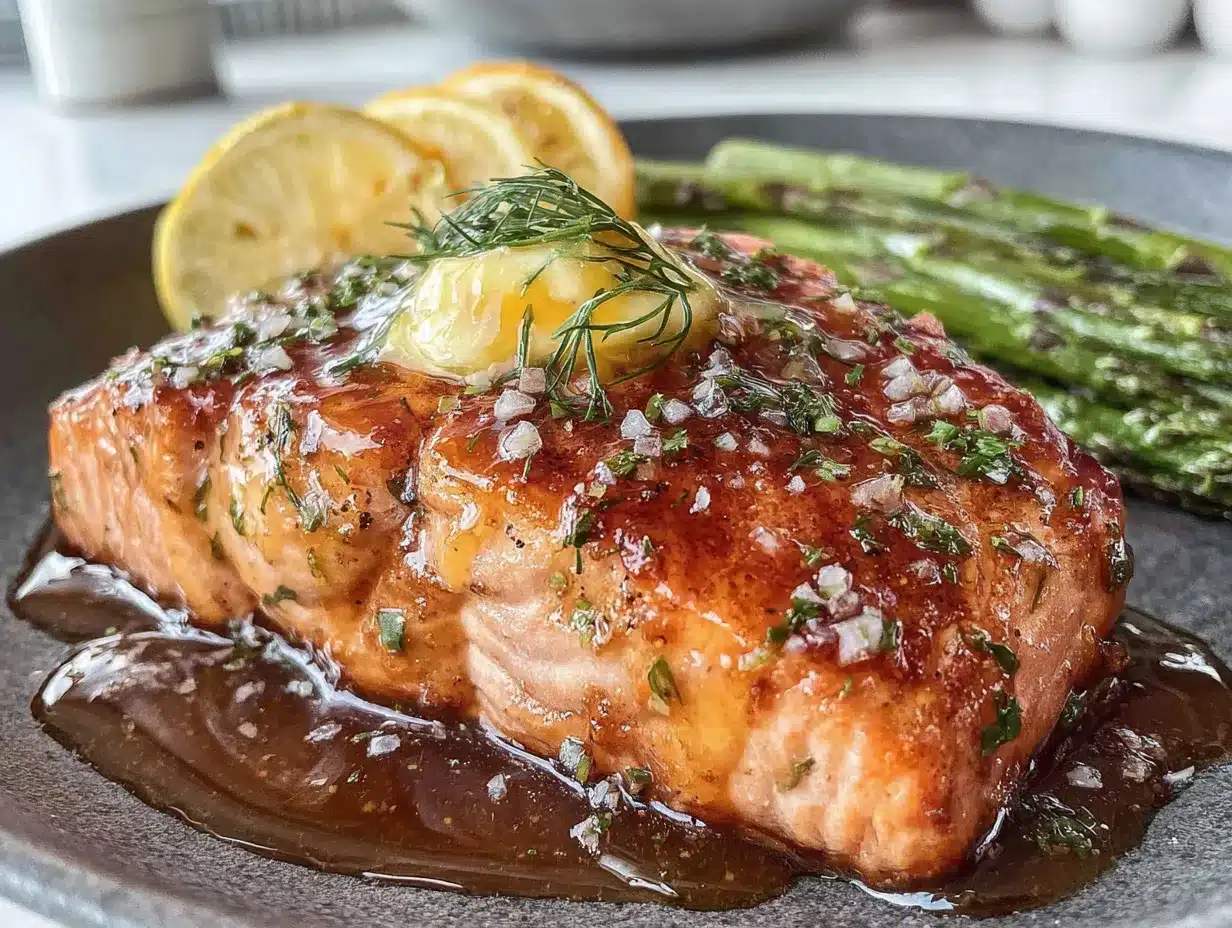
This method is designed to be foolproof, even if you’ve never baked salmon before. Follow these steps, and you’ll have tender, flaky fish with a gorgeous butter sauce every time.
- Preheat your oven to 400°F (200°C). Give it a full 15 minutes to come to temperature. A properly preheated oven is crucial for even cooking. While it’s heating, take the salmon out of the fridge and let it sit on the counter for about 10 minutes — this helps it cook more evenly.
- Make the lemon dill butter. In a small bowl, combine the 4 tablespoons of softened unsalted butter, 2 tablespoons of finely chopped fresh dill, the zest of 1 lemon, 1 tablespoon of fresh lemon juice, 2 minced garlic cloves, 1/2 teaspoon of salt, and 1/4 teaspoon of black pepper. Use a fork to mash everything together until it’s well combined and looks like a soft, green-flecked paste. Set it aside.
- Prepare the baking dish. Drizzle 1 tablespoon of olive oil into your baking dish and spread it around with a pastry brush or a paper towel to coat the bottom. This prevents the salmon from sticking and adds a little flavor.
- Pat the salmon dry. This is a very important step. Use paper towels to gently pat the salmon fillets dry on all sides. Removing excess moisture helps the butter sauce cling to the fish and promotes even browning. Place the fillets skin-side down in the prepared baking dish, leaving a little space between each one for air to circulate.
- Spread the butter mixture. Divide the lemon dill butter evenly among the 4 fillets. Use the back of a spoon or a small spatula to spread it in an even layer over the top of each fillet. Don’t worry if some falls into the dish — it will melt into a sauce as it bakes.
- Bake the salmon. Place the dish in the preheated oven and bake for 12 to 15 minutes, depending on the thickness of your fillets. The salmon is done when it flakes easily with a fork and the internal temperature reaches 145°F (63°C) at the thickest part. The butter will be melted and bubbly around the fish.
- Optional broil for color. If you want a slightly golden top, switch your oven to broil for the last 1 to 2 minutes of cooking. Watch it closely — it can go from perfect to burnt very quickly. I only do this when I’m feeling fancy.
- Rest before serving. Remove the dish from the oven and let the salmon rest for 3 to 5 minutes. This allows the juices to redistribute, making the fish even more tender. Spoon the melted butter from the dish over the fillets before serving.
A note on timing: If your fillets are thinner (about 1 inch thick), start checking at 10 minutes. For thicker fillets (1.5 inches or more), you might need up to 18 minutes. I always buy fillets of similar thickness so they cook evenly. And here’s a little trick I learned from a cooking class — if you gently press the top of the salmon with your finger, it should feel firm but still have a little give, like the fleshy part of your palm when you touch your thumb and pinky together.
Cooking Tips & Techniques
After making this recipe more times than I can count, I’ve collected a few tips that make a real difference. These are the little things that turn a good salmon dinner into a great one.
Don’t skip patting the salmon dry. I know it seems like a small step, but it’s the number one reason why some people end up with watery, bland salmon. Moisture is the enemy of browning and flavor concentration. Take an extra 30 seconds to really dry those fillets, and you’ll be rewarded with a much better result.
Let the butter come to room temperature. Cold butter is hard to spread and doesn’t mix well with the dill and lemon. I learned this the hard way when I tried to rush and ended up with lumpy butter that wouldn’t spread evenly. Leaving it out for 15 to 20 minutes makes all the difference.
Use a fish spatula for serving. If you have one, a thin, slotted fish spatula is perfect for lifting the fillets out of the dish without breaking them apart. If you don’t have one, two regular spatulas work well — one to lift and one to support. The skin will stick to the dish slightly, so slide the spatula gently between the skin and the flesh.
Watch the clock carefully. Salmon can go from perfectly cooked to dry in about two minutes. I set a timer for 10 minutes and then start checking. Remember that the salmon will continue to cook a little from residual heat after you take it out of the oven, so it’s better to pull it out when it’s just barely flaking rather than waiting until it’s fully flaked.
Make extra butter. The lemon dill butter is so good that I usually double the batch. I keep the extra in the fridge for up to a week, and it’s amazing on steamed vegetables, grilled chicken, or even tossed with hot pasta for a quick side dish.
One of my biggest failures with this recipe was the time I forgot to zest the lemon before juicing it. I ended up with a bowl of juice and a naked lemon. Now I always zest first, then cut and juice. It’s a small organizational trick that saves a lot of frustration.
Variations & Adaptations
This recipe is wonderfully flexible. Here are a few ways I’ve adapted it for different tastes and dietary needs in my own kitchen.
Dairy-Free Version: Swap the butter for a good quality dairy-free butter or use olive oil mixed with a tablespoon of tahini for richness. The lemon and dill still shine through beautifully. I’ve made this for a friend who’s lactose intolerant, and she couldn’t tell the difference.
Herb Swaps: If you don’t have dill, fresh parsley or chives work wonderfully. For a different flavor profile, try basil and lemon zest for a more Mediterranean twist. I once used a mix of dill and mint, and it was surprisingly fresh and bright.
Add Some Crunch: Before baking, sprinkle the butter-topped fillets with a mixture of panko breadcrumbs and a little grated Parmesan cheese. It creates a lovely crispy crust that kids especially love. Just add an extra minute or two under the broiler.
One-Pan Meal: Add trimmed green beans or asparagus spears to the baking dish around the salmon. They’ll roast in the lemon dill butter and come out perfectly tender. I do this on busy nights when I want to minimize dishes. Just make sure the vegetables are in a single layer so they cook evenly.
Spicy Version for Adults: Add a pinch of red pepper flakes or a small minced jalapeño to the butter mixture. It adds a gentle warmth without overwhelming the delicate salmon. My husband loves this version, and I’ll often make a separate fillet with the spice for him.
If you’re cooking for a crowd, this recipe scales up beautifully. Just use a larger baking dish and add a few minutes to the cooking time if the fillets are crowded. I’ve made it for family gatherings with 8 fillets in a single half-sheet pan, and it was a hit every time.
Serving & Storage Suggestions
This salmon is versatile enough for a casual weeknight dinner or a special weekend meal. Here’s how I like to serve it and what to do with any leftovers.
Serving Temperature: Serve the salmon warm, straight from the oven, with the melted butter spooned over the top. It’s also delicious at room temperature, which makes it perfect for buffet-style dinners or summer picnics.
What to Serve With It: I usually pair this salmon with simple sides that let it shine. Fluffy white rice or quinoa soaks up the lemon dill butter beautifully. Steamed or roasted broccoli, green beans, or asparagus are classic choices. For a lighter meal, a crisp green salad with a simple vinaigrette is perfect. A slice of crusty bread to mop up the extra butter is never a bad idea either.
Storage Instructions: Store leftover salmon in an airtight container in the refrigerator for up to 3 days. The flavors actually meld and deepen overnight, making it great for lunch the next day. I don’t recommend freezing cooked salmon, as the texture can become watery and mushy when thawed.
Reheating Tips: The best way to reheat salmon is gently. Place it in a 275°F (135°C) oven for about 10 minutes, or until just warmed through. You can also reheat it in a non-stick skillet over low heat with a splash of water or lemon juice, covered, for about 5 minutes. Avoid the microwave if possible — it tends to dry out the fish and make it rubbery.
Leftover Ideas: Leftover salmon is fantastic flaked over a salad, mixed into scrambled eggs, or made into salmon cakes with a little breadcrumbs and an egg. My kids love it on top of buttered noodles for a quick lunch.
Nutritional Information & Benefits
This recipe is not only delicious but also packed with nutrients that are great for growing kids and adults alike.
Estimated Nutritional Values (per serving, based on 4 servings):
- Calories: 380
- Protein: 34g
- Fat: 26g (including 10g saturated fat)
- Carbohydrates: 2g
- Fiber: 0g
- Sugar: 1g
- Sodium: 420mg
Health Benefits: Salmon is an excellent source of high-quality protein and omega-3 fatty acids, which are essential for brain development and heart health. The lemon provides a good dose of vitamin C, while dill is known for its antioxidant properties. This meal is naturally gluten-free and low in carbohydrates, making it suitable for a variety of dietary patterns.
Dietary Considerations: This recipe is naturally gluten-free and low-carb. For a dairy-free version, simply substitute the butter with a plant-based alternative. It’s also nut-free and egg-free, making it a safe choice for many common allergies.
I love that I can serve this to my family knowing it’s nourishing them in so many ways. It’s one of those rare meals that feels indulgent but is actually incredibly good for you.
Conclusion
This kid-approved baked salmon with lemon dill butter has become a staple in our home for good reason. It’s simple, affordable, and delivers on flavor every single time. Whether you’re trying to get your family to eat more fish or just looking for a reliable, delicious dinner that doesn’t require a lot of effort, this recipe is for you.
I love that this recipe has a story behind it — a memory of a little shack on a pier and the determination to recreate something special in my own kitchen. It reminds me that some of the best recipes come from chasing a taste you can’t forget. And honestly, seeing my kids ask for seconds of salmon makes all those trial runs worth it.
I’d love to hear how this turns out for you. Did your kids love it? Did you try any fun variations? Drop a comment below and let me know — your feedback helps other readers too. And if you’re looking for more family-friendly dinner ideas, you might also enjoy my easy lemon herb chicken thighs or these simple garlic butter shrimp. Happy cooking, friends!
Frequently Asked Questions
Can I use frozen salmon fillets?
Absolutely. Just make sure to thaw them completely in the refrigerator overnight and pat them very dry before seasoning. Frozen fillets can sometimes release more water, so drying them thoroughly is key to getting a good result.
How do I know when the salmon is fully cooked?
The salmon is done when it flakes easily with a fork and the internal temperature reaches 145°F (63°C) at the thickest part. The flesh should be opaque and slightly pink in the center. If you gently press the top, it should feel firm but still have a little give.
Can I make this recipe ahead of time?
You can prepare the lemon dill butter up to 3 days in advance and keep it in the refrigerator. You can also season the salmon and spread the butter on top a few hours before baking. Just keep it covered in the fridge, and add a minute or two to the baking time since you’ll be starting from cold.
What can I substitute for fresh dill?
Fresh parsley, chives, or basil are excellent substitutes. If you only have dried dill, use about 2 teaspoons, but the flavor won’t be as bright. I really recommend using fresh herbs here — they make a noticeable difference in the final dish.
How do I prevent the salmon from sticking to the pan?
Make sure to grease your baking dish well with olive oil or use a sheet of parchment paper. The skin will naturally stick a little, but a well-greased pan makes it much easier to lift the fillets out without them breaking apart. A fish spatula is also very helpful for this.
Pin This Recipe!
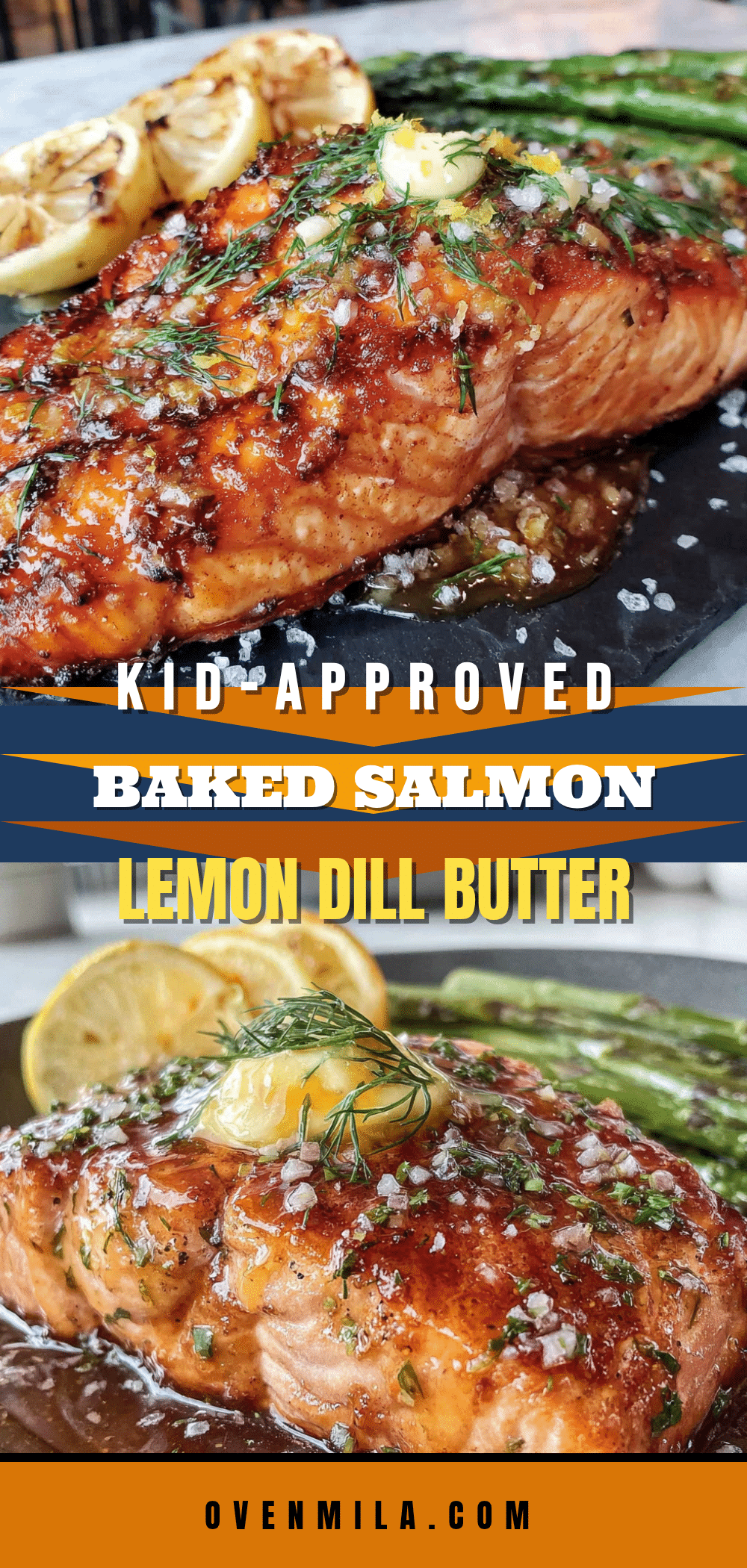
Best Easy Kid-Approved Baked Salmon with Lemon Dill Butter

This baked salmon with lemon dill butter is a kid-approved, weeknight-friendly recipe that comes together in under 30 minutes. The compound butter keeps the fish incredibly moist and flavorful, making it a family favorite.
- Prep Time: 10 minutes
- Cook Time: 15 minutes
- Total Time: 25 minutes
- Yield: 4 servings 1x
- Category: Main Course
- Cuisine: American
Ingredients
- 4 salmon fillets (about 6 ounces each), skin-on
- 4 tablespoons unsalted butter, softened
- 2 tablespoons fresh dill, finely chopped
- 1 large lemon (zest and juice)
- 2 cloves garlic, minced
- 1/2 teaspoon fine sea salt
- 1/4 teaspoon freshly ground black pepper
- 1 tablespoon olive oil
Instructions
- Preheat your oven to 400°F (200°C). Let the salmon sit at room temperature for about 10 minutes.
- In a small bowl, combine softened butter, chopped dill, lemon zest, lemon juice, minced garlic, salt, and pepper. Mash together with a fork until well combined.
- Drizzle olive oil into a 9×13-inch baking dish and spread to coat the bottom.
- Pat the salmon fillets dry with paper towels. Place them skin-side down in the prepared dish, leaving space between each.
- Divide the lemon dill butter evenly among the fillets and spread it over the tops.
- Bake for 12 to 15 minutes, until the salmon flakes easily with a fork and reaches an internal temperature of 145°F (63°C).
- Optional: Broil for 1 to 2 minutes for a golden top.
- Let the salmon rest for 3 to 5 minutes before serving. Spoon the melted butter from the dish over the fillets.
Notes
Pat the salmon dry thoroughly for best results. Let the butter come to room temperature for easy mixing. For thinner fillets (1 inch), start checking at 10 minutes; for thicker fillets (1.5 inches), you may need up to 18 minutes. The salmon continues to cook from residual heat, so remove it when just barely flaking.
Nutrition
- Serving Size: 1 fillet
- Calories: 380
- Sugar: 1
- Sodium: 420
- Fat: 26
- Saturated Fat: 10
- Carbohydrates: 2
- Protein: 34
Keywords: baked salmon, lemon dill butter, kid-friendly, easy salmon recipe, weeknight dinner, healthy salmon