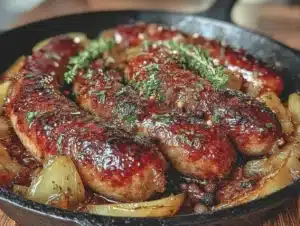
Late October, the kind where the light goes golden and slanted by four in the afternoon, and the only thing I want is this salad. Not a complicated dinner that takes over the kitchen, not something that leaves me with a stack of pots to scrub while the evening slips away. Just this—a bowl full of roasted squash and crisp apples, bitter greens, toasted pecans, all of it tied together with a maple vinaigrette that tastes like it belongs on a restaurant menu but comes together in a jar.
I stumbled onto this combination almost by accident a few years back. I had a butternut squash sitting on the counter, a bag of apples from a trip to the orchard that I hadn’t gotten around to eating, and a half-empty bottle of maple syrup that was looking at me every time I opened the pantry. (You know how that goes—one of those moments where you just start throwing things together and hope for the best.) The first time I made it, I ate the whole bowl standing at the counter, and I knew I had something worth repeating.
What gets me about this salad is how honest it is. It doesn’t try to be fancy or fussy. It’s just good ingredients treated with a little care, and somehow that’s enough. The squash gets caramelized in the oven until the edges are sticky and dark. The apples stay crisp and tart, cutting through the richness of the pecans and the tangy feta. And that dressing—well, the dressing is the thing that ties it all together, the reason you’ll find yourself making this even on nights when you’re cooking just for yourself.
Why You’ll Love This Recipe
I’ve made this salad more times than I can count, for myself and for friends and for holiday dinners where I needed something that could sit on the table and hold its own next to the heavy, comforting dishes. Every single time, someone asks for the recipe. Here’s why it works so well:
- Comes together in under 40 minutes — The squash roasts while you prep everything else, and the dressing takes about three minutes to whisk together. Perfect for a weeknight when you want something that feels special without spending all evening in the kitchen.
- Uses simple, seasonal ingredients — No obscure produce or specialty items. You can find everything at a regular grocery store, and most of it is probably already in your fridge or pantry.
- Perfect for fall gatherings — Thanksgiving, Friendsgiving, a casual dinner party, or just a Tuesday night when you need something bright and nourishing. It travels well, too, which makes it great for potlucks.
- Crowd-pleaser across the board — I’ve served this to people who claim they don’t like salads and watched them go back for seconds. Something about the combination of warm squash, crunchy pecans, and that sweet-tangy dressing just works.
- Unbelievably delicious — Honestly, the first time you taste it, you might be surprised at how good simple ingredients can be when they’re balanced right. The texture alone—soft roasted squash, crisp apples, crunchy nuts, creamy feta—is worth the effort.
What makes this different from other fall salads is the attention to detail. The squash gets tossed in a little maple syrup before roasting, which helps it caramelize and develop that deep, almost buttery sweetness. The vinaigrette uses shallot and Dijon mustard to balance the maple, so it’s not cloying. And I always, always toast the pecans—it takes five minutes and makes a world of difference. This isn’t just another version of a fall salad. It’s the one I keep coming back to, the one that made me stop looking for something better.
There’s something about this salad that just feels right. It’s the kind of dish that makes you slow down and actually taste what you’re eating. The kind that reminds you why fall is worth getting excited about, even when the days get shorter and the air turns cold.
What Ingredients You Will Need
This recipe uses simple, wholesome ingredients that come together to create something genuinely special. Most of these are pantry staples for me during the fall, and I bet they are for you too. The key is choosing good-quality versions of each one—it makes a difference, especially with a simple recipe like this where every ingredient gets to shine.
For the Salad
- Butternut squash, 1 medium (about 3 cups cubed) — Peeled and cut into ¾-inch cubes. Look for one that feels heavy for its size and has a firm, unblemished skin. You can also use pre-cut squash from the store if you’re short on time, but fresh tends to roast up better.
- Mixed greens, 5 ounces (about 5 cups) — I like a blend of arugula, baby spinach, and something sturdy like frisée or radicchio. The peppery notes in the arugula play beautifully with the sweet dressing.
- Apple, 1 large — Honeycrisp or Fuji are my go-to choices. They hold their shape and provide a nice tartness. If you want something a little sweeter, Gala works too. Leave the skin on for color and texture.
- Dried cranberries, ⅓ cup — Adds a chewy, tart pop that balances the richness. I prefer unsweetened or lightly sweetened ones if I can find them.
- Pecans, ½ cup — Raw, halved or roughly chopped. Toasting them brings out their natural oils and makes them infinitely more flavorful. (More on that in the tips section.)
- Feta cheese, ⅓ cup crumbled — Go for a block of good-quality feta and crumble it yourself. The pre-crumbled stuff is drier and doesn’t have the same creamy, salty punch. If you’re dairy-free, a good vegan feta or even some crumbled goat cheese works well.
For the Maple Vinaigrette
- Pure maple syrup, 3 tablespoons — Not pancake syrup, not imitation. Real maple syrup makes this dressing what it is. Grade A dark amber is my favorite for its robust flavor.
- Apple cider vinegar, 2 tablespoons — Adds the acidity that cuts through the sweetness. You can substitute white wine vinegar or even fresh lemon juice in a pinch.
- Shallot, 1 small, finely minced — About 1 tablespoon. Shallots are milder than onions and give the dressing a gentle, savory backbone. If you don’t have one, a small clove of garlic, grated, works as a substitute.
- Dijon mustard, 1 teaspoon — Helps emulsify the dressing and adds a little tang. I like Maille or Grey Poupon for their smooth, sharp flavor.
- Extra-virgin olive oil, ¼ cup — Use a good one here, since the flavor comes through in the dressing. Nothing too grassy or peppery—something smooth and fruity works best.
- Salt and black pepper, to taste — I use flaky sea salt and freshly ground black pepper.
Optional Add-Ins
- Pomegranate arils, ¼ cup — Adds a burst of jewel-like color and a sweet-tart crunch. I love throwing these in when they’re in season.
- Roasted chickpeas — For extra protein and crunch. Just toss canned chickpeas with olive oil and salt, and roast at 400°F for about 20 minutes.
- Cooked quinoa, ½ cup — Turns this into a more substantial meal. I’ve done this for lunch many times and it’s fantastic.
Equipment Needed
You don’t need much to make this salad, which is part of its charm. Here’s what you’ll want to have on hand:
- Baking sheet — A rimmed half-sheet pan works best for roasting the squash. Line it with parchment paper for easy cleanup. If you have a dark, non-stick pan, keep an eye on the squash toward the end—it can brown faster.
- Chef’s knife and cutting board — A sharp knife makes cutting the squash infinitely easier and safer. I use a 8-inch chef’s knife and a sturdy wooden board.
- Vegetable peeler — For peeling the butternut squash. A Y-shaped peeler is my preference—it’s faster and gives you more control.
- Medium bowl and small bowl — One for tossing the squash with oil and seasonings, one for whisking the dressing.
- Whisk — For emulsifying the vinaigrette. A small whisk works perfectly. If you don’t have one, you can shake everything in a mason jar with a tight-fitting lid.
- Large salad bowl — For assembling and tossing everything together. I like a wide, shallow bowl so nothing gets crushed.
- Small skillet — For toasting the pecans. A dry skillet over medium heat does the job in just a few minutes.
If you don’t have a baking sheet, a roasting pan or even a cast-iron skillet will work. And honestly, you can skip the whisk and just use a fork—the dressing won’t be as emulsified, but it’ll still taste great. Don’t let a missing tool stop you from making this.
Preparation Method
Alright, let’s get cooking. This salad comes together in stages, but none of them are complicated. I’ll walk you through each step so you know exactly what to expect.
- Preheat your oven to 400°F (200°C). Line a baking sheet with parchment paper. This makes cleanup a breeze and prevents the squash from sticking.
- Prep the squash. Cut off both ends of the butternut squash, then use a vegetable peeler to remove the skin. (Pro tip: if you microwave the whole squash for 30-60 seconds first, the skin comes off much easier.) Cut the squash in half lengthwise and scoop out the seeds with a spoon. Cut the flesh into ¾-inch cubes—try to keep them uniform so they roast evenly.
- Season and roast the squash. In a medium bowl, toss the cubed squash with 1 tablespoon of olive oil, 1 tablespoon of maple syrup, ½ teaspoon of salt, and a few grinds of black pepper. Spread them in a single layer on the prepared baking sheet. Roast for 20-25 minutes, flipping halfway through, until the squash is tender and the edges are caramelized and golden. You want it to be fork-tender but still hold its shape. Let it cool slightly while you prep everything else.
- Toast the pecans. While the squash is roasting, place the pecans in a small dry skillet over medium heat. Cook for 3-5 minutes, shaking the pan frequently, until they’re fragrant and lightly browned. Watch them closely—they can go from toasted to burnt in about 30 seconds. Transfer to a plate to cool.
- Make the maple vinaigrette. In a small bowl, combine the maple syrup, apple cider vinegar, minced shallot, and Dijon mustard. Whisk to combine. While whisking constantly, slowly drizzle in the olive oil until the dressing is emulsified and slightly thickened. Season with salt and pepper to taste. (If you’re using a mason jar, just shake everything together vigorously.)
- Prep the remaining ingredients. Core the apple and slice it into thin matchsticks or half-moons—whatever shape you prefer. I like thin slices so you get a little apple in every bite. Crumble the feta if you bought a block. Measure out the dried cranberries.
- Assemble the salad. In a large bowl, combine the mixed greens, roasted squash (let it cool for at least 5-10 minutes so it doesn’t wilt the greens), sliced apple, dried cranberries, and toasted pecans. Drizzle with about half the dressing and toss gently to combine. You want everything evenly coated but not drowning. Add more dressing as needed.
- Finish and serve. Sprinkle the crumbled feta over the top. Give the salad one last gentle toss, or leave the feta on top for presentation. Serve immediately while the squash is still slightly warm and the greens are crisp.
A few things to keep in mind as you go: The squash will look fairly dry when it goes into the oven—don’t worry, it’ll release moisture as it roasts and get beautifully tender. If your squash cubes are smaller than ¾ inch, check them at the 15-minute mark; they’ll cook faster. And if you’re making this ahead, keep the dressing separate and toss just before serving to prevent soggy greens.
Cooking Tips & Techniques
I’ve made this salad probably two dozen times by now, and I’ve learned a few things along the way. Some of these came from mistakes—like the time I forgot to toast the pecans and ended up with sad, floppy nuts in my salad. (Don’t skip that step, seriously.) Here are the tips I wish someone had told me from the start:
Toast your nuts and seeds every single time. I cannot stress this enough. Raw pecans are fine, but toasted pecans are a revelation. The heat releases their natural oils and intensifies their flavor, giving them a warm, almost buttery quality. It takes less than five minutes and makes the salad infinitely better. Just keep an eye on them—nuts go from perfectly golden to burnt in the blink of an eye.
Don’t overdress the salad. This is the most common mistake I see with homemade salads. Start with half the dressing, toss, and then add more if you need it. You can always add more dressing, but you can’t take it away. The goal is to coat the ingredients lightly, not drown them. Leftover dressing keeps in the fridge for up to a week, so you’re not wasting anything.
Let the squash cool before adding it to the greens. Warm squash will wilt delicate greens like arugula and spinach almost instantly. I usually let it sit on the baking sheet for 10-15 minutes after it comes out of the oven. If I’m in a hurry, I’ll spread it out on a plate to cool faster. You want it warm, not hot.
Cut your ingredients to a similar size. When the squash cubes, apple slices, and pecans are all roughly the same size, you get a little bit of everything in every bite. It sounds like a small detail, but it makes the eating experience so much more enjoyable.
Make the dressing ahead of time. The flavors actually get better after sitting for an hour or two—the shallot mellows out and infuses the vinegar. You can make it up to three days in advance and keep it in the fridge. Just let it come to room temperature and give it a good shake or whisk before using.
Season as you go. Don’t just season the dressing and call it done. Season the squash before roasting. Season the pecans with a tiny pinch of salt after toasting. Season the greens lightly before adding the dressing. Building flavor in layers makes everything taste more cohesive and intentional.
One more thing—if you’re making this for a crowd, double the dressing recipe. People always want extra, and it’s nice to have some on the table for those who like a heavily dressed salad.
Variations & Adaptations
One of the things I love about this salad is how flexible it is. I’ve made it so many different ways depending on what I have on hand or who I’m serving. Here are some of my favorite variations:
Dietary Adaptations
Vegan version: Simply omit the feta cheese or replace it with a good vegan feta. I’ve also used crumbled, salted almonds in place of the cheese for a similar salty crunch. The dressing is already vegan since it uses maple syrup instead of honey.
Gluten-free: This salad is naturally gluten-free, so no changes needed. Just double-check that your Dijon mustard doesn’t contain any gluten-containing additives—most don’t, but it’s worth checking.
Nut-free: Swap the pecans for roasted pumpkin seeds (pepitas) or sunflower seeds. Both provide that same satisfying crunch. Toast them the same way you would the pecans—dry skillet, medium heat, a few minutes until fragrant.
Seasonal Twists
Winter version: Replace the apple with sliced pear and the dried cranberries with dried figs or dates. The sweetness is a little deeper and more complex. I also love adding pomegranate arils when they’re in season—they add such a beautiful pop of color and tartness.
Summer version: Swap the roasted squash for grilled peaches or nectarines. The char from the grill adds a smoky sweetness that pairs beautifully with the maple vinaigrette. Use fresh basil instead of the greens for a completely different but equally delicious salad.
Flavor Variations
Add protein: This salad is fantastic with grilled chicken, roasted turkey, or even some flaked smoked salmon on top. For a vegetarian option, add some roasted chickpeas or crumbled tempeh. I’ve also served it with a side of my crispy baked buffalo cauliflower bites for a fun, flavor-packed dinner.
Switch the cheese: Goat cheese is a wonderful substitute for feta—it’s creamier and a little tangier. Blue cheese works too, if you’re into that kind of thing. For a dairy-free option, try a sprinkle of nutritional yeast or some toasted coconut flakes for a different kind of richness.
Change the greens: Kale is a fantastic option if you want something heartier. Just massage it with a little olive oil and salt for a minute or two before adding the other ingredients—it softens the leaves and makes them much more pleasant to eat. Arugula on its own works beautifully too, especially if you like a peppery kick.
Serving & Storage Suggestions
This salad is best served immediately, while the squash is still warm and the greens are crisp. The contrast between the warm, tender squash and the cool, crunchy greens is one of the things that makes it so special. I like to serve it in a wide, shallow bowl so everything stays light and airy, not packed down.
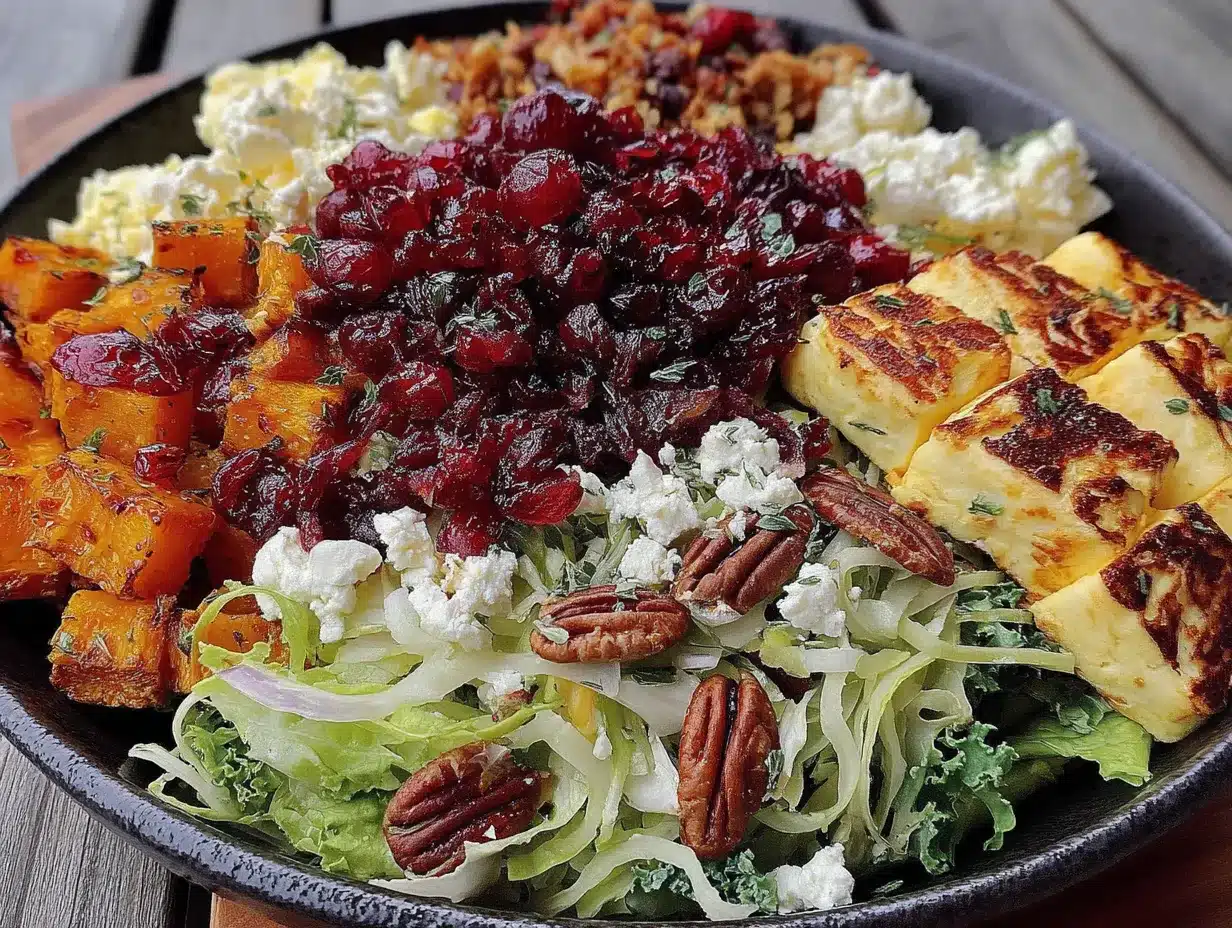
For presentation, I’ll often arrange the greens first, then scatter the squash, apples, cranberries, and pecans on top, and finish with the feta crumbled over everything. Drizzle the dressing over the top or serve it on the side so people can add as much as they want. A few extra toasted pecans on top make it look restaurant-worthy.
This salad pairs beautifully with so many fall dishes. It’s a natural alongside a bowl of cozy slow cooker white chicken chili for a hearty autumn dinner. It also works wonderfully as a side for roasted chicken, pork chops, or even a simple pan-seared duck breast if you’re feeling fancy. For a lighter meal, serve it with some crusty bread and a glass of dry cider.
Storage: If you have leftovers, store the undressed salad and the dressing separately. The dressed salad will keep in the fridge for about a day, but the greens will start to wilt. Without dressing, the components will last 2-3 days in an airtight container. The roasted squash can be stored separately and reheated gently in the oven or microwave before adding to the salad.
Make-ahead tips: You can roast the squash up to 3 days in advance and keep it in the fridge. Toast the pecans and store them in an airtight container at room temperature for up to a week. The dressing keeps beautifully for 5-7 days in the fridge—just give it a good shake before using. When you’re ready to serve, just toss everything together and you’re done.
Nutritional Information & Benefits
This salad is not just delicious—it’s genuinely good for you. Here’s an approximate breakdown per serving (based on 4 servings):
| Nutrient | Amount per Serving |
|---|---|
| Calories | 320-350 |
| Total Fat | 22g |
| Saturated Fat | 4g |
| Carbohydrates | 32g |
| Fiber | 6g |
| Sugar | 18g (natural, from maple syrup, squash, and apples) |
| Protein | 6g |
| Vitamin A | 180% DV |
| Vitamin C | 35% DV |
| Calcium | 10% DV |
| Iron | 8% DV |
Butternut squash is packed with vitamin A (in the form of beta-carotene), which supports eye health and immune function. The pecans provide healthy monounsaturated fats and magnesium, which is good for heart health and energy production. Apples contribute fiber and vitamin C, while the mixed greens offer a range of antioxidants and micronutrients.
This salad is naturally gluten-free and can easily be made vegan or nut-free. It’s also relatively low in added sugar—the sweetness comes primarily from the maple syrup and the natural sugars in the squash and apples. If you’re watching your sugar intake, you can reduce the maple syrup in the dressing to 2 tablespoons and add an extra splash of vinegar for balance.
I love that this salad makes me feel good after eating it—satisfied and energized, not heavy or sluggish. It’s the kind of meal that nourishes you from the inside out, and that’s something worth getting excited about.
Conclusion
This Fresh Fall Harvest Salad with Maple Vinaigrette has become my go-to for everything from quiet weeknight dinners to holiday feasts. It’s simple enough to throw together on a busy Tuesday, but special enough to serve when you want to impress. The combination of warm, caramelized squash, crisp apples, crunchy pecans, and tangy feta, all tied together with that sweet-tart dressing, is just unbeatable.
What I love most about this recipe is how forgiving it is. Don’t have pecans? Use walnuts. Not a fan of feta? Goat cheese is beautiful here. Want to add some protein? Throw in some leftover roasted chicken or chickpeas. The base is solid, and it welcomes your own touches. That’s the kind of recipe I want in my life—one that works as written but also leaves room for creativity.
I’d love to hear how this turns out for you. Did you try a variation I haven’t thought of? Did you serve it at a gathering and watch it disappear? Drop a comment below and let me know. And if you’re looking for more fall inspiration, I’ve got a whole collection of cozy recipes waiting for you—including this cozy sourdough discard pumpkin bread with honey butter that’s been a huge hit this season. Happy cooking, friends. Enjoy every warm, crunchy, tangy bite.
Frequently Asked Questions
Can I make this salad ahead of time?
Yes, with a few caveats. You can roast the squash, toast the pecans, and make the dressing up to 3 days in advance. Store everything separately in the fridge (the pecans can stay at room temperature). When you’re ready to serve, let the squash come to room temperature or reheat it gently, then assemble the salad and dress it right before serving. The greens will wilt if dressed too far in advance.
What can I use instead of maple syrup?
Honey is the best substitute—it has a similar consistency and sweetness level, though the flavor will be slightly different. Agave nectar works too, but it’s thinner and sweeter, so you might want to use a little less. For a sugar-free option, try a sugar-free maple syrup substitute or a few drops of maple extract blended with a liquid sweetener like monk fruit syrup.
How do I prevent the apples from browning?
Toss the sliced apples in a little of the maple vinaigrette as soon as you cut them—the acid from the vinegar will slow down oxidation. Alternatively, you can toss them with a squeeze of lemon juice. If you’re serving the salad immediately, it’s less of an issue since the apples won’t have time to brown significantly.
Can I use a different type of squash?
Absolutely. Acorn squash, delicata squash, or even pumpkin all work beautifully. Delicata is especially nice because you don’t need to peel it—the skin is tender and edible. Just adjust the roasting time slightly based on the size of your cubes. You want the squash to be tender and caramelized, not mushy.
Is this salad good for meal prep?
It works well for meal prep if you keep the components separate. Portion out the greens, roasted squash, apples, pecans, and feta into individual containers, and keep the dressing in a small jar on the side. When you’re ready to eat, just toss everything together. The squash and apples will hold up for 2-3 days in the fridge. I wouldn’t recommend prepping it more than 3 days ahead, as the greens will start to lose their crispness.
Pin This Recipe!
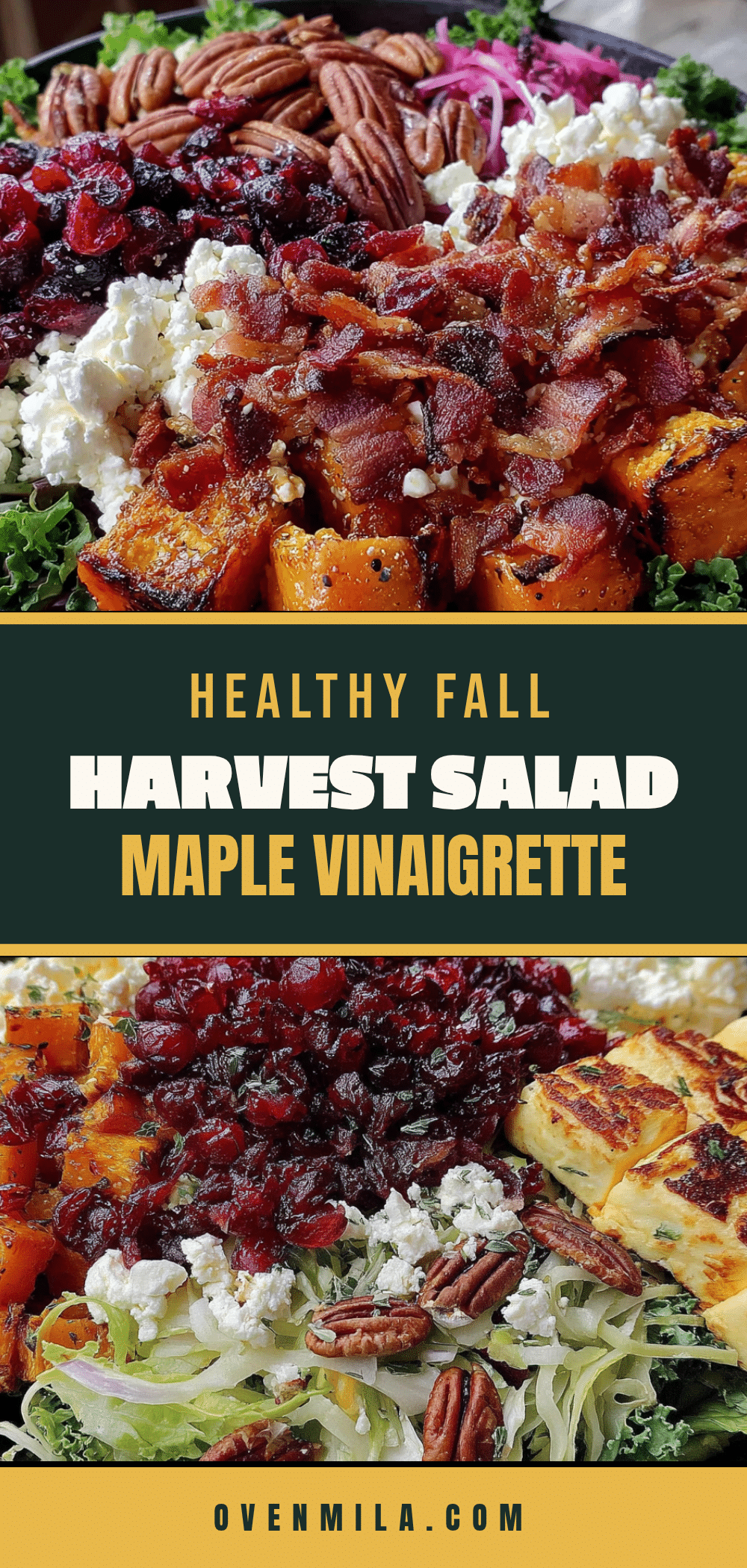
Best Fresh Fall Harvest Salad with Maple Vinaigrette
A simple yet stunning fall salad featuring roasted butternut squash, crisp apples, toasted pecans, and tangy feta, all tossed in a sweet-tart maple vinaigrette. Perfect for weeknights or holiday gatherings.
- Prep Time: 15 minutes
- Cook Time: 25 minutes
- Total Time: 40 minutes
- Yield: 4 servings 1x
- Category: Salad
- Cuisine: American
Ingredients
- 1 medium butternut squash (about 3 cups cubed)
- 5 ounces mixed greens (about 5 cups)
- 1 large apple (Honeycrisp or Fuji)
- ⅓ cup dried cranberries
- ½ cup raw pecans
- ⅓ cup crumbled feta cheese
- 3 tablespoons pure maple syrup
- 2 tablespoons apple cider vinegar
- 1 small shallot, finely minced
- 1 teaspoon Dijon mustard
- ¼ cup extra-virgin olive oil
- Salt and black pepper to taste
- 1 tablespoon olive oil (for roasting squash)
- 1 tablespoon maple syrup (for roasting squash)
- ½ teaspoon salt (for roasting squash)
Instructions
- Preheat your oven to 400°F (200°C). Line a baking sheet with parchment paper.
- Prep the squash: Cut off both ends, peel, halve lengthwise, scoop out seeds, and cut into ¾-inch cubes.
- In a medium bowl, toss the cubed squash with 1 tablespoon olive oil, 1 tablespoon maple syrup, ½ teaspoon salt, and a few grinds of black pepper. Spread in a single layer on the prepared baking sheet. Roast for 20-25 minutes, flipping halfway, until tender and caramelized. Let cool slightly.
- While the squash roasts, toast the pecans in a small dry skillet over medium heat for 3-5 minutes, shaking frequently, until fragrant and lightly browned. Transfer to a plate to cool.
- Make the maple vinaigrette: In a small bowl, combine 3 tablespoons maple syrup, apple cider vinegar, minced shallot, and Dijon mustard. Whisk to combine. While whisking constantly, slowly drizzle in ¼ cup olive oil until emulsified. Season with salt and pepper to taste.
- Core the apple and slice into thin matchsticks or half-moons. Crumble the feta if needed.
- In a large bowl, combine the mixed greens, roasted squash (cooled for 5-10 minutes), sliced apple, dried cranberries, and toasted pecans. Drizzle with about half the dressing and toss gently. Add more dressing as needed.
- Sprinkle crumbled feta over the top. Toss gently or leave feta on top for presentation. Serve immediately.
Notes
Toast nuts every time for best flavor. Don’t overdress the salad—start with half the dressing. Let squash cool before adding to greens to prevent wilting. Cut ingredients to similar size for even bites. Make dressing ahead for better flavor. Season in layers.
Nutrition
- Serving Size: 1 serving
- Calories: 335
- Sugar: 18
- Sodium: 450
- Fat: 22
- Saturated Fat: 4
- Carbohydrates: 32
- Fiber: 6
- Protein: 6
Keywords: fall salad, harvest salad, maple vinaigrette, butternut squash salad, roasted squash salad, apple salad, pecan salad, feta salad, autumn salad, Thanksgiving salad