The neighborhood potluck was in four hours and I’d completely forgotten. Everyone else would be bringing their signature dishes—you know, the ones they’d been perfecting for years. My neighbor Sarah was bringing her famous lasagna that takes two days to make. Another friend had promised a slow-braised brisket. And me? I had a pound of ground beef thawing on the counter, a bottle of ketchup, and absolutely no plan. Honestly, I almost just grabbed takeout on the way.
But then I remembered my mom’s old meatloaf recipe. The one with that sticky-sweet brown sugar glaze that caramelizes into something almost magical. I mean, it’s meatloaf. It’s humble. It’s the kind of thing you make on a Tuesday when you’re out of ideas. Could it really hold its own next to all those elaborate dishes? I had my doubts, let me tell you. But I was out of time and out of options.
So I threw it together in about fifteen minutes—no fancy techniques, no special ingredients—and slid it into the oven, hoping for the best. When I pulled it out, that glaze was bubbling and dark, and the whole kitchen smelled like someone had been cooking all day. I carried it to the potluck feeling a little sheepish, honestly. Like I was bringing a meatball to a steakhouse.
Well, the meatloaf disappeared in twenty minutes. People came back for seconds. Someone asked for the recipe before they’d even finished their first slice. And I stood there, slightly embarrassed, trying to explain that it was just—you know—meatloaf. But that’s the thing about this recipe. It doesn’t try to be fancy. It just delivers. And maybe you’ve been there too—showing up with something simple, secretly hoping it’s good enough, and watching it steal the whole show.
Why You’ll Love This Recipe
This isn’t just another meatloaf recipe you’ll find online. I’ve tested this version more times than I care to admit, tweaking the seasoning, adjusting the glaze ratio, and even trying different types of ground meat blends. What I landed on is the perfect balance of savory, sweet, and tangy—with a texture that stays moist without falling apart.
- Quick & Easy : Comes together in just 15 minutes of prep time. The oven does the rest of the work for you.
- Simple Ingredients : Ground beef, breadcrumbs, eggs, ketchup, and pantry staples. No fancy grocery trips required.
- Perfect for Gatherings : This recipe scales beautifully for potlucks, family dinners, or holiday buffets. It’s a crowd-pleaser that travels well.
- Crowd-Pleaser : Kids love the sweet glaze, adults love the savory depth. I’ve never seen leftovers from this dish.
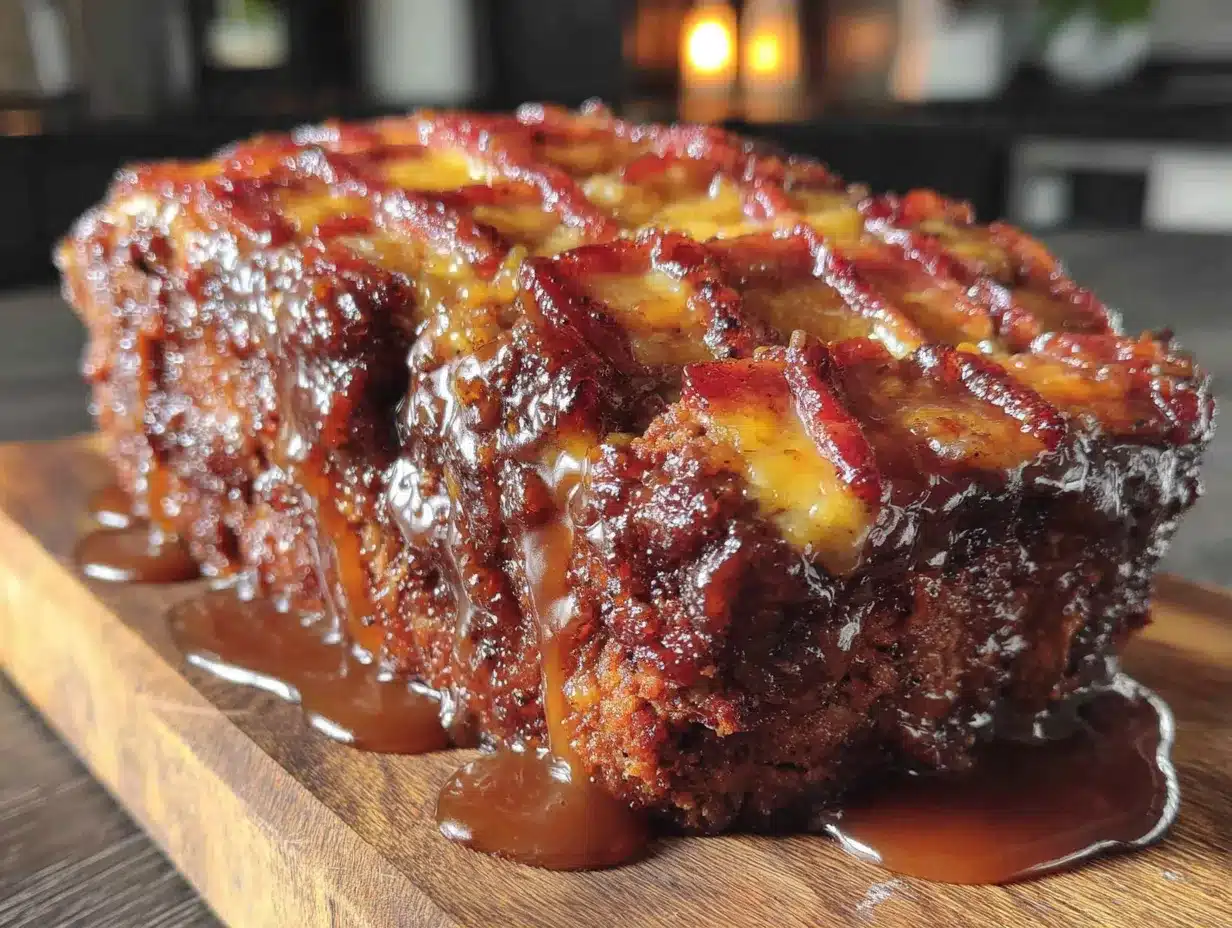
- Unbelievably Delicious : That brown sugar glaze creates a sticky, caramelized crust that takes meatloaf from ordinary to unforgettable.
What makes this recipe different from all the others? It’s the glaze, honestly. Most meatloaf recipes use a simple ketchup topping, but the brown sugar adds a depth of flavor that caramelizes into something almost like barbecue. And the meat mixture itself? I use a combination of breadcrumbs soaked in milk and a little Worcestershire sauce that keeps everything tender and flavorful. This isn’t just another version—it’s the best version I’ve ever made.
This recipe is the kind that makes you close your eyes after the first bite. It’s comfort food at its finest—simple, satisfying, and perfect for impressing guests without any stress. Whether you’re hosting a dinner party or just feeding your family on a Wednesday night, this meatloaf delivers every single time.
What Ingredients You Will Need
This recipe uses simple, wholesome ingredients that you probably already have in your kitchen. The magic happens when these everyday staples come together in just the right proportions.
For the Meatloaf
- Ground beef (2 pounds, 80/20 blend) – The 20% fat content keeps the meatloaf moist and flavorful. I prefer 80/20 for the best texture.
- Breadcrumbs (1 cup, plain or Italian-style) – Regular breadcrumbs work perfectly. Panko also works, but you might need a little more milk.
- Milk (½ cup, whole milk preferred) – This soaks into the breadcrumbs and keeps the meatloaf tender. Use oat milk if needed.
- Eggs (2 large, lightly beaten) – These bind everything together so the meatloaf holds its shape when sliced.
- Yellow onion (1 medium, finely diced) – Sauté it first if you want a milder flavor. I’ve used red onion in a pinch too.
- Garlic (3 cloves, minced) – Fresh garlic adds so much more depth than the jarred stuff.
- Worcestershire sauce (2 tablespoons) – This adds that savory, umami punch that makes the meatloaf taste like it cooked all day.
- Ketchup (¼ cup) – A little in the meat mixture adds tanginess and moisture.
- Dijon mustard (1 tablespoon) – Don’t skip this. It adds a subtle sharpness that balances the sweet glaze.
- Salt (1 teaspoon) – Use kosher salt if you have it. Table salt works too—just use a little less.
- Black pepper (½ teaspoon, freshly ground) – Freshly ground pepper makes a noticeable difference here.
- Dried thyme (1 teaspoon) – This adds an earthy note that pairs beautifully with beef. Oregano works as a substitute.
- Fresh parsley (2 tablespoons, chopped, optional) – Adds a pop of color and freshness to the finished dish.
For the Brown Sugar Glaze
- Ketchup (½ cup) – This forms the base of the glaze. I recommend Heinz for consistency.
- Brown sugar (⅓ cup, packed) – Light or dark brown sugar both work. Dark brown sugar gives a deeper molasses flavor.
- Apple cider vinegar (1 tablespoon) – This cuts through the sweetness and adds a tangy kick.
- Worcestershire sauce (1 teaspoon) – Adds another layer of savory depth to the glaze.
- Garlic powder (½ teaspoon) – Distributes more evenly than fresh garlic in the glaze.
I recommend using 80/20 ground beef for the best texture. Leaner blends can result in a drier meatloaf. If you only have lean ground beef, add an extra tablespoon of milk or a splash of olive oil to compensate. For a truly special occasion, try a blend of ground beef and ground pork—the pork adds incredible richness.
Equipment Needed
You don’t need much for this recipe, which is part of its appeal. Here’s what you’ll need:
- Large mixing bowl – Big enough to get your hands in there and mix everything thoroughly.
- Loaf pan (9×5 inch) – A standard loaf pan works perfectly. Line it with parchment paper for easy removal.
- Baking sheet (optional but helpful) – Place the loaf pan on a baking sheet to catch any glaze drips that bubble over.
- Small bowl – For mixing the glaze ingredients together.
- Measuring cups and spoons – Precise measurements matter, especially for the glaze.
- Chef’s knife and cutting board – For dicing the onion and mincing the garlic.
- Wooden spoon or spatula – For initial mixing, though you’ll need your hands for the final blend.
- Pastry brush (optional) – For spreading the glaze evenly. A spoon works just as well.
- Meat thermometer – This is the only way to guarantee perfectly cooked meatloaf. I recommend an instant-read digital thermometer.
If you don’t have a loaf pan, you can shape the meatloaf by hand on a lined baking sheet—it’ll cook a little faster, so keep an eye on the internal temperature. I’ve also used a 9-inch round cake pan in a pinch, and it worked fine.
Preparation Method
- Preheat your oven to 350°F (175°C). Position the rack in the center of the oven. Line your loaf pan with parchment paper, leaving some overhang on the sides—this makes lifting the meatloaf out so much easier later.
- Prepare the breadcrumb mixture. In your large mixing bowl, combine the breadcrumbs and milk. Let this sit for 5 minutes until the breadcrumbs have absorbed most of the liquid. This step is crucial for a tender meatloaf—don’t rush it.
- Sauté the aromatics. In a small skillet over medium heat, add a drizzle of olive oil. Cook the diced onion for 3-4 minutes until translucent, then add the minced garlic and cook for another 30 seconds until fragrant. Let this cool slightly before adding to the meat mixture. I’ve skipped this step before, and the raw onion taste was overpowering—trust me, it’s worth the extra few minutes.
- Mix the meatloaf base. To the soaked breadcrumbs, add the beaten eggs, sautéed onion and garlic, Worcestershire sauce, ketchup, Dijon mustard, salt, pepper, and dried thyme. Stir everything together until well combined.
- Add the ground beef. Add the ground beef to the bowl. Using your hands (I promise this is the best way), gently mix everything together until just combined. Don’t overmix—overworking the meat can make the meatloaf dense and tough. Stop as soon as you don’t see any more streaks of breadcrumb mixture.
- Shape the meatloaf. Transfer the mixture to your prepared loaf pan. Gently press it into an even shape, making sure there are no air pockets. Don’t pack it down too firmly—you want it to hold together without being compressed.
- Make the glaze. In a small bowl, whisk together the ketchup, packed brown sugar, apple cider vinegar, Worcestershire sauce, and garlic powder until smooth. The mixture should be thick but spreadable.
- Apply the first layer of glaze. Spread about half of the glaze evenly over the top of the meatloaf. Reserve the remaining glaze for later. The meatloaf should look shiny and well-coated.
- Bake for 45 minutes. Place the loaf pan on a baking sheet (to catch any drips) and bake for 45 minutes. Your kitchen will start smelling incredible about 20 minutes in.
- Apply the second layer of glaze. After 45 minutes, carefully remove the meatloaf from the oven. Spread the remaining glaze over the top. Return to the oven and bake for another 15-20 minutes.
- Check for doneness. The meatloaf is done when the internal temperature reaches 160°F (71°C) at the center. Insert your meat thermometer into the thickest part—not touching the pan. If it’s not quite there, bake for another 5-10 minutes and check again.
- Rest before slicing. This is the hardest part, I know. Let the meatloaf rest in the pan for 10-15 minutes. The juices need time to redistribute, and the meatloaf will firm up enough to slice cleanly. If you cut into it too soon, it’ll fall apart.
- Slice and serve. Use the parchment paper to lift the meatloaf out of the pan. Slice into 1-inch thick pieces and arrange on a platter. Spoon any remaining glaze from the pan over the slices.
Cooking Tips & Techniques
After making this recipe more times than I can count, I’ve learned a few things the hard way. Here are my best tips for perfect meatloaf every time.
Don’t skip the milk-soaked breadcrumbs. This is called a panade, and it’s the secret to tender meatloaf. The breadcrumbs absorb the milk and create a paste that keeps the meat moist during cooking. I once tried to save time by skipping this step, and the meatloaf came out dry and crumbly. Never again.
Use your hands to mix. I know it’s messy, but your hands distribute the ingredients more evenly than any spoon or spatula. You can also feel when the mixture is just combined—stop the moment there are no more streaks. Overmixing is the number one cause of tough meatloaf.
Let the meatloaf rest. I cannot stress this enough. That 10-15 minute rest period is non-negotiable. The meatloaf continues cooking from residual heat, the juices settle, and the structure firms up. Slice it too soon, and you’ll end up with a delicious but messy pile of ground beef.
Use a meat thermometer. Visual cues can be misleading with meatloaf. The outside might look done while the center is still undercooked. 160°F (71°C) is your target—anything less and it’s unsafe, anything more and it starts drying out.
Let the glaze caramelize. The two-stage glazing process isn’t just for show. The first layer bakes into the meatloaf, creating a sticky base. The second layer stays glossy and thickens into that beautiful caramelized crust. Don’t skip either application.
Line your pan with parchment paper. This makes cleanup so much easier, and it helps you lift the meatloaf out without it breaking apart. Leave enough overhang to grab onto—trust me on this one.
Variations & Adaptations
One of the best things about this recipe is how adaptable it is. Here are some variations I’ve tried and loved.
Turkey Meatloaf. Swap the ground beef for ground turkey (93/7 works best). Add an extra tablespoon of olive oil and an extra egg to compensate for the lower fat content. The cooking time stays about the same, but check the temperature earlier—turkey can dry out quickly.
Cheese-Stuffed Meatloaf. This is my personal favorite variation. After shaping half the meat mixture in the pan, make a shallow well down the center and add a layer of shredded cheddar or mozzarella. Top with the remaining meat mixture and bake as directed. The melted cheese in the center is absolutely incredible.
Gluten-Free Option. Use gluten-free breadcrumbs or crushed gluten-free crackers instead of regular breadcrumbs. I’ve used crushed rice crackers with great results. Just make sure your Worcestershire sauce is also gluten-free—some brands contain malt vinegar.
Spicy Kick. Add 1-2 tablespoons of sriracha or your favorite hot sauce to the meat mixture, and mix a pinch of cayenne pepper into the glaze. The sweetness of the brown sugar balances the heat beautifully.
Vegetable-Packed Version. Finely grate a carrot and a zucchini, squeeze out the excess moisture, and add them to the meat mixture. This adds moisture and nutrients without changing the flavor much. I’ve done this for picky eaters who don’t even notice the extra veggies.
BBQ Glaze Twist. Replace the ketchup in the glaze with your favorite barbecue sauce. Add an extra tablespoon of brown sugar and a splash of liquid smoke for a smoky, backyard-barbecue flavor that’s completely different but equally delicious.
Serving & Storage Suggestions
This meatloaf is incredibly versatile when it comes to serving. Here’s how to make the most of it.
Serving Temperature. Serve the meatloaf warm, right after its rest period. The glaze should be sticky and glossy, and the interior should be steaming. Slice it on a cutting board and transfer to a warm platter for the best presentation.
What to Serve Alongside. Mashed potatoes are the classic pairing—the gravy from the meatloaf mixes perfectly with them. Roasted green beans or a simple side salad add freshness. For a heartier meal, serve with roasted carrots or buttery egg noodles. At potlucks, I’ve seen it paired with mac and cheese and coleslaw, and it’s always a hit.
Leftover Ideas. Cold meatloaf sandwiches the next day are honestly one of the best parts of this recipe. Slice it thick, put it on toasted bread with a little mayo and lettuce, and you’ve got lunch sorted. You can also crumble leftover meatloaf into pasta sauce or use it as a filling for stuffed peppers.
Storage Instructions. Store leftover meatloaf in an airtight container in the refrigerator for up to 4 days. Wrap it tightly in plastic wrap or aluminum foil to prevent it from drying out. The glaze will stay sticky and delicious.
Freezing Instructions. This meatloaf freezes beautifully. Let it cool completely, then wrap it tightly in plastic wrap, followed by a layer of aluminum foil. Freeze for up to 3 months. To reheat, thaw in the refrigerator overnight, then warm in a 350°F oven for 15-20 minutes, covered with foil to prevent the glaze from burning.
Reheating Tips. The oven is your best friend for reheating meatloaf. Microwave reheating can make the edges tough and the glaze rubbery. Place slices on a baking sheet, cover loosely with foil, and warm at 325°F for 10-15 minutes. The flavors actually deepen overnight, so leftovers often taste even better the next day.
Nutritional Information & Benefits
Here’s the nutritional breakdown for one serving (based on 8 servings, using 80/20 ground beef):
| Nutrient | Amount per Serving |
|---|---|
| Calories | 385 |
| Protein | 28g |
| Fat | 22g |
| Saturated Fat | 8g |
| Carbohydrates | 18g |
| Fiber | 1g |
| Sugar | 12g |
| Sodium | 680mg |
This meatloaf provides a solid amount of protein—about 28 grams per serving—which makes it a satisfying main dish. The beef is an excellent source of iron, zinc, and B vitamins, particularly B12, which supports energy metabolism and nervous system health.
The onions and garlic add prebiotic fiber that supports gut health, while the parsley provides a small boost of vitamin K and antioxidants. If you’re watching your sodium intake, you can reduce the salt in the meat mixture and use low-sodium ketchup in the glaze.
For a lower-carb option, serve the meatloaf with cauliflower mash instead of potatoes, or enjoy a slice on its own with a side of roasted vegetables. This recipe is naturally gluten-free if you use gluten-free breadcrumbs, and it’s easily adaptable for dairy-free diets by using plant-based milk in the panade.
Conclusion
This classic meatloaf with brown sugar glaze is proof that simple food, made well, is always worth sharing. It doesn’t need fancy ingredients or complicated techniques—just good ingredients, a little patience, and that sticky-sweet glaze that makes everything better.
I’ve made this recipe for weeknight dinners, holiday gatherings, and last-minute potlucks, and it’s never let me down. It’s the kind of dish that makes people ask for seconds, then ask for the recipe. And honestly? That never gets old.
I’d love to hear how yours turns out. Did you try one of the variations? Did you come up with your own twist? Drop a comment below and let me know—I read every single one. And if you share a photo on social media, tag me so I can see your beautiful creation. Happy cooking, friends!
Frequently Asked Questions
Can I make this meatloaf ahead of time?
Absolutely. You can assemble the meatloaf (without the glaze) up to 24 hours in advance and keep it covered in the refrigerator. Add the glaze just before baking. You may need to add 10-15 minutes to the cooking time since you’re starting from cold.
Why did my meatloaf fall apart when I sliced it?
This usually happens for one of two reasons: the meatloaf didn’t rest long enough, or the mixture was too wet. Make sure you let it rest for a full 10-15 minutes after baking. If the mixture seems too wet before baking, add an extra tablespoon of breadcrumbs.
Can I use ground turkey instead of beef?
Yes! Use 93/7 ground turkey for the best results. Add an extra tablespoon of olive oil and an extra egg to keep it moist. The cooking time stays about the same, but start checking the internal temperature at 50 minutes—turkey can dry out quickly.
How do I know when the meatloaf is fully cooked?
The only reliable way is with a meat thermometer. Insert it into the center of the meatloaf—it should read 160°F (71°C). Visual cues like the meat pulling away from the edges of the pan are not reliable indicators of doneness.
Can I freeze the leftover glaze?
Yes! The glaze freezes well for up to 3 months. Store it in an airtight container or freezer bag. Thaw it in the refrigerator overnight and give it a good stir before using. You can also double the glaze recipe and keep half in the freezer for your next meatloaf.
Pin This Recipe!
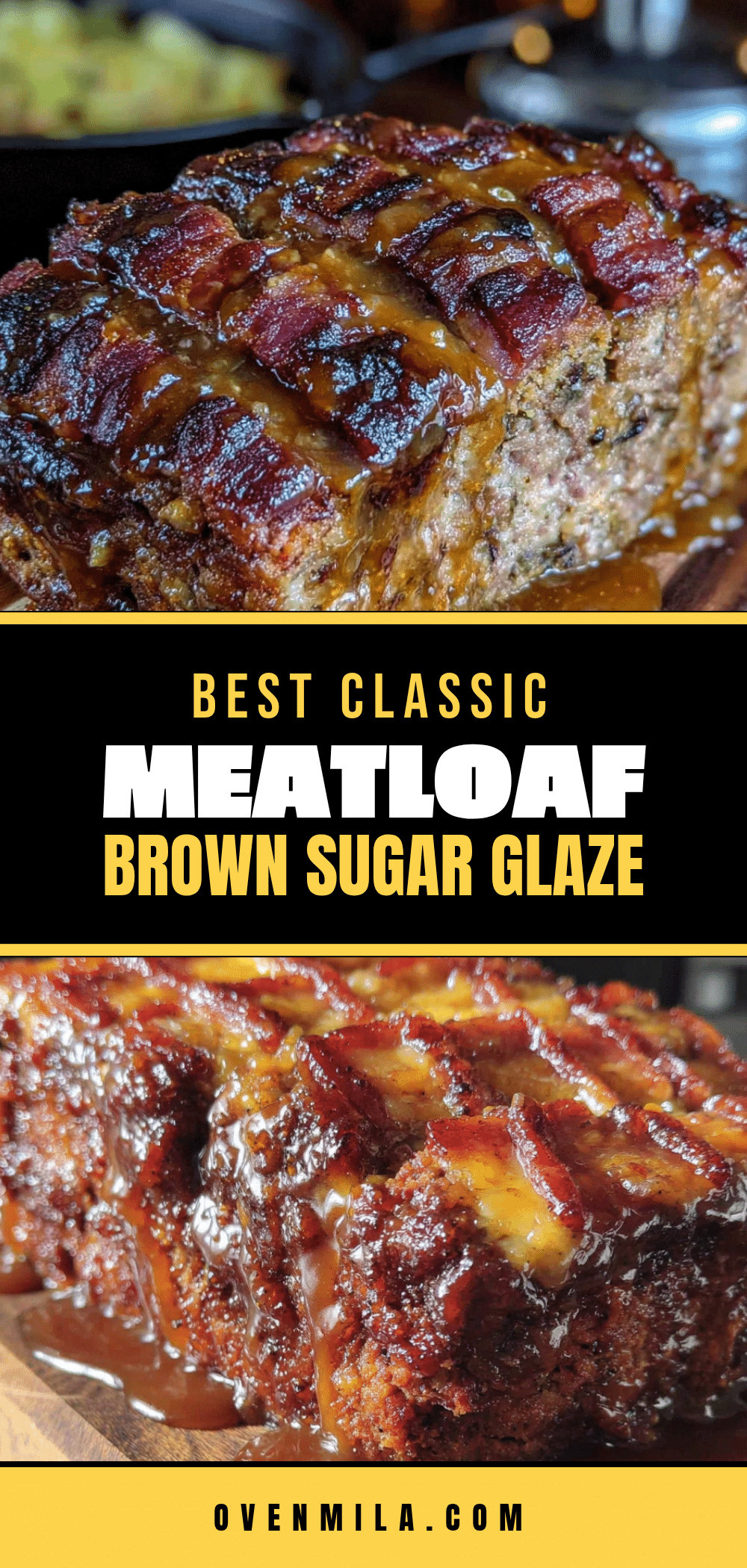
Best Classic Meatloaf with Brown Sugar Glaze (Easy Recipe)
This classic meatloaf features a sticky-sweet brown sugar glaze that caramelizes into something magical. It’s simple, satisfying, and perfect for impressing guests without any stress.
- Prep Time: 15 minutes
- Cook Time: 1 hour
- Total Time: 1 hour 15 minutes
- Yield: 8 servings 1x
- Category: Main Course
- Cuisine: American
Ingredients
- 2 pounds ground beef (80/20 blend)
- 1 cup breadcrumbs (plain or Italian-style)
- ½ cup whole milk
- 2 large eggs, lightly beaten
- 1 medium yellow onion, finely diced
- 3 cloves garlic, minced
- 2 tablespoons Worcestershire sauce
- ¼ cup ketchup
- 1 tablespoon Dijon mustard
- 1 teaspoon kosher salt
- ½ teaspoon freshly ground black pepper
- 1 teaspoon dried thyme
- 2 tablespoons fresh parsley, chopped (optional)
- ½ cup ketchup (for glaze)
- ⅓ cup packed brown sugar (light or dark)
- 1 tablespoon apple cider vinegar
- 1 teaspoon Worcestershire sauce (for glaze)
- ½ teaspoon garlic powder
Instructions
- Preheat your oven to 350°F (175°C). Position the rack in the center of the oven. Line your loaf pan with parchment paper, leaving some overhang on the sides.
- In your large mixing bowl, combine the breadcrumbs and milk. Let this sit for 5 minutes until the breadcrumbs have absorbed most of the liquid.
- In a small skillet over medium heat, add a drizzle of olive oil. Cook the diced onion for 3-4 minutes until translucent, then add the minced garlic and cook for another 30 seconds until fragrant. Let this cool slightly.
- To the soaked breadcrumbs, add the beaten eggs, sautéed onion and garlic, Worcestershire sauce, ketchup, Dijon mustard, salt, pepper, and dried thyme. Stir everything together until well combined.
- Add the ground beef to the bowl. Using your hands, gently mix everything together until just combined. Don’t overmix.
- Transfer the mixture to your prepared loaf pan. Gently press it into an even shape, making sure there are no air pockets. Don’t pack it down too firmly.
- In a small bowl, whisk together the ketchup, packed brown sugar, apple cider vinegar, Worcestershire sauce, and garlic powder until smooth.
- Spread about half of the glaze evenly over the top of the meatloaf. Reserve the remaining glaze for later.
- Place the loaf pan on a baking sheet and bake for 45 minutes.
- After 45 minutes, carefully remove the meatloaf from the oven. Spread the remaining glaze over the top. Return to the oven and bake for another 15-20 minutes.
- The meatloaf is done when the internal temperature reaches 160°F (71°C) at the center. Insert your meat thermometer into the thickest part—not touching the pan.
- Let the meatloaf rest in the pan for 10-15 minutes.
- Use the parchment paper to lift the meatloaf out of the pan. Slice into 1-inch thick pieces and arrange on a platter. Spoon any remaining glaze from the pan over the slices.
Notes
Don’t skip the milk-soaked breadcrumbs (panade) for tender meatloaf. Use your hands to mix gently. Let the meatloaf rest for 10-15 minutes before slicing. Use a meat thermometer to ensure doneness at 160°F. The two-stage glazing process is key for a caramelized crust. Line your pan with parchment paper for easy removal.
Nutrition
- Serving Size: 1 slice (1/8 of meat
- Calories: 385
- Sugar: 12
- Sodium: 680
- Fat: 22
- Saturated Fat: 8
- Carbohydrates: 18
- Fiber: 1
- Protein: 28
Keywords: meatloaf, brown sugar glaze, classic meatloaf, easy meatloaf, comfort food, potluck recipe