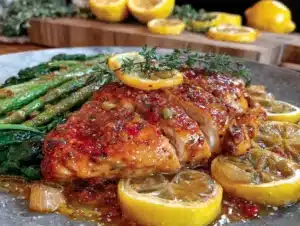
This isn’t just a smaller turkey recipe—it’s a weeknight game changer. I mean, honestly, how many times have you craved that cozy Thanksgiving feeling but didn’t want to deal with a 15-pound bird and leftovers for a month? This brown butter sage turkey breast for two solves that exact problem.
Here’s why this one’s different:
- Budget-Friendly: A bone-in turkey breast costs a fraction of a whole bird. You’re getting that special occasion feel without the special occasion price tag.
- Quick Enough for Tuesday: From prep to plate in under an hour. No brining overnight, no complicated techniques—just smart cooking that delivers.
- Picky Eater Approved: That nutty brown butter and fragrant sage situation? It somehow makes turkey taste like something everyone actually wants to eat. My kids call it “fancy chicken.”
- Leftovers That Don’t Disappoint: If there are any leftovers, they reheat beautifully. No dry, sad turkey situation the next day.
- Date Night Worthy: It feels special without being fussy. Light a candle, pour some wine, and pretend you’re at a cozy bistro.
The real magic here is the brown butter. It adds this deep, almost nutty richness that transforms plain turkey breast into something you’d pay good money for at a restaurant. And the sage? It’s not overpowering—just enough to make you close your eyes on that first bite.
This recipe came from a night when I had a turkey breast in the freezer, a stick of butter, and absolutely no plan. I was tired of dry, boring turkey sandwiches and wanted something that felt like a hug on a plate. Turns out, sometimes the best recipes come from desperation and a willingness to brown your butter a little too dark.
What Ingredients You Will Need
This recipe keeps things simple—just a handful of everyday ingredients that work together to create something genuinely special. You probably have most of these in your kitchen right now.
- 1 bone-in turkey breast (about 2 to 2.5 pounds) — Look for one that’s roughly the same thickness throughout for even cooking. I usually grab mine from Aldi or the marked-down section at my local grocery store. The bone adds so much flavor and keeps the meat juicy.
- 4 tablespoons unsalted butter — Don’t skimp here. The browning process is what gives this dish its signature nutty flavor. I use Land O Lakes, but any good quality unsalted butter works.
- 8-10 fresh sage leaves — Fresh is non-negotiable for this recipe. Dried sage just doesn’t deliver that same aromatic punch. Look for leaves that are bright green and fragrant, not wilted or brown.
- 2 cloves garlic, smashed — You want whole cloves, not minced. They’ll infuse the butter without burning.
- 1 tablespoon olive oil — Helps the butter brown without burning and gives the skin that gorgeous golden color.
- ½ teaspoon salt — I use kosher salt here. Diamond Crystal is my go-to because it’s less salty by volume, giving me more control.
- ¼ teaspoon black pepper — Freshly ground, please. It makes a difference.
- ½ cup chicken broth — For deglazing the pan and creating a simple pan sauce. Low-sodium is best so you can control the salt level.
- 1 sprig fresh rosemary (optional but lovely) — Adds another layer of woodsy flavor that pairs beautifully with the sage.
Ingredient Tips from My Kitchen: If you can’t find a bone-in breast, a boneless one works too—just reduce the cooking time by about 10-15 minutes. And here’s something I learned the hard way: don’t use margarine. It doesn’t brown the same way and the flavor just isn’t there. Trust me on this one.
For the sage, if you’re growing it in your garden (and you should be, it’s practically indestructible), even better. The flavor is more concentrated and somehow brighter. I’ve got a bush that’s been going strong for three years now.
Equipment Needed
You don’t need a fancy kitchen for this recipe. Here’s what you’ll need:
- 10-inch oven-safe skillet — Cast iron is ideal, but any oven-safe skillet works. I use my grandmother’s old cast iron pan, and honestly, it makes everything taste better.
- Meat thermometer — This is non-negotiable. Guessing doneness with turkey is a recipe for dry, sad meat. A simple instant-read thermometer costs about $10 and pays for itself in saved dinners.
- Tongs — For flipping the turkey breast without puncturing it.
- Cutting board — For resting and carving.
- Sharp knife — A good chef’s knife makes carving so much easier.
- Small saucepan — For browning the butter (if you prefer not to do it in the skillet).
- Aluminum foil — For tenting the turkey while it rests.
Budget-Friendly Tip: If you don’t have an oven-safe skillet, you can sear the turkey in a regular pan and transfer it to a baking dish. It’s one extra dish to wash, but it works perfectly fine.
Preparation Method
Let’s get cooking. This comes together faster than you’d think.
- Preheat your oven to 375°F (190°C). Position the rack in the middle. While it’s heating, take your turkey breast out of the fridge and let it sit at room temperature for about 15 minutes. This helps it cook more evenly.
- Pat the turkey breast dry with paper towels. This is crucial for getting that golden, crispy skin. Season generously on all sides with salt and pepper. Don’t be shy—most of it will stay on the surface.
- Start the brown butter. In your oven-safe skillet over medium heat, add the olive oil and butter. Swirl the pan as the butter melts. It’ll start to foam and bubble—that’s normal. Keep swirling until the foam subsides and you see little brown specks forming at the bottom. The butter will smell nutty and amazing. This takes about 3-4 minutes. Watch it carefully—brown butter can go from perfect to burnt in seconds.
- Add the aromatics. Toss in the sage leaves and smashed garlic cloves. Let them sizzle for about 30 seconds until fragrant. The sage leaves will crisp up slightly. Remove them with a slotted spoon and set aside—they’re your garnish.
- Sear the turkey. Carefully place the turkey breast in the hot skillet, skin side down. Let it cook undisturbed for 4-5 minutes until the skin is deep golden brown and crispy. Use tongs to flip it and sear the other side for 2-3 minutes. Don’t rush this step—that crispy skin is pure gold.
- Add the broth and rosemary. Pour the chicken broth around the turkey (not over the skin, you want to keep that crispy). Tuck the rosemary sprig into the liquid.
- Into the oven. Transfer the skillet to the preheated oven. Roast for 25-30 minutes, or until the internal temperature reaches 155°F (68°C) when inserted into the thickest part of the breast. Remember, it will continue cooking as it rests.
- Rest the turkey. Remove the skillet from the oven. Transfer the turkey breast to a cutting board and tent loosely with foil. Let it rest for 10-15 minutes. This is the hardest part, I know, but don’t skip it. The juices need time to redistribute.
- Make the pan sauce. While the turkey rests, place the skillet over medium heat. The broth and butter mixture should be bubbling. Scrape up any browned bits from the bottom—that’s flavor gold. Let it simmer for 2-3 minutes until slightly reduced. Taste and adjust seasoning.
- Carve and serve. Slice the turkey breast against the grain into thick pieces. Drizzle with the pan sauce and garnish with those crispy sage leaves. Watch everyone’s eyes light up.
My Biggest Mistake: The first time I made this, I didn’t let the turkey rest. I was hungry, impatient, and convinced it would be fine. It was not fine. All those beautiful juices ran out onto the cutting board, and the meat was dry. Learn from my mistake—set a timer if you have to.
Cooking Tips & Techniques
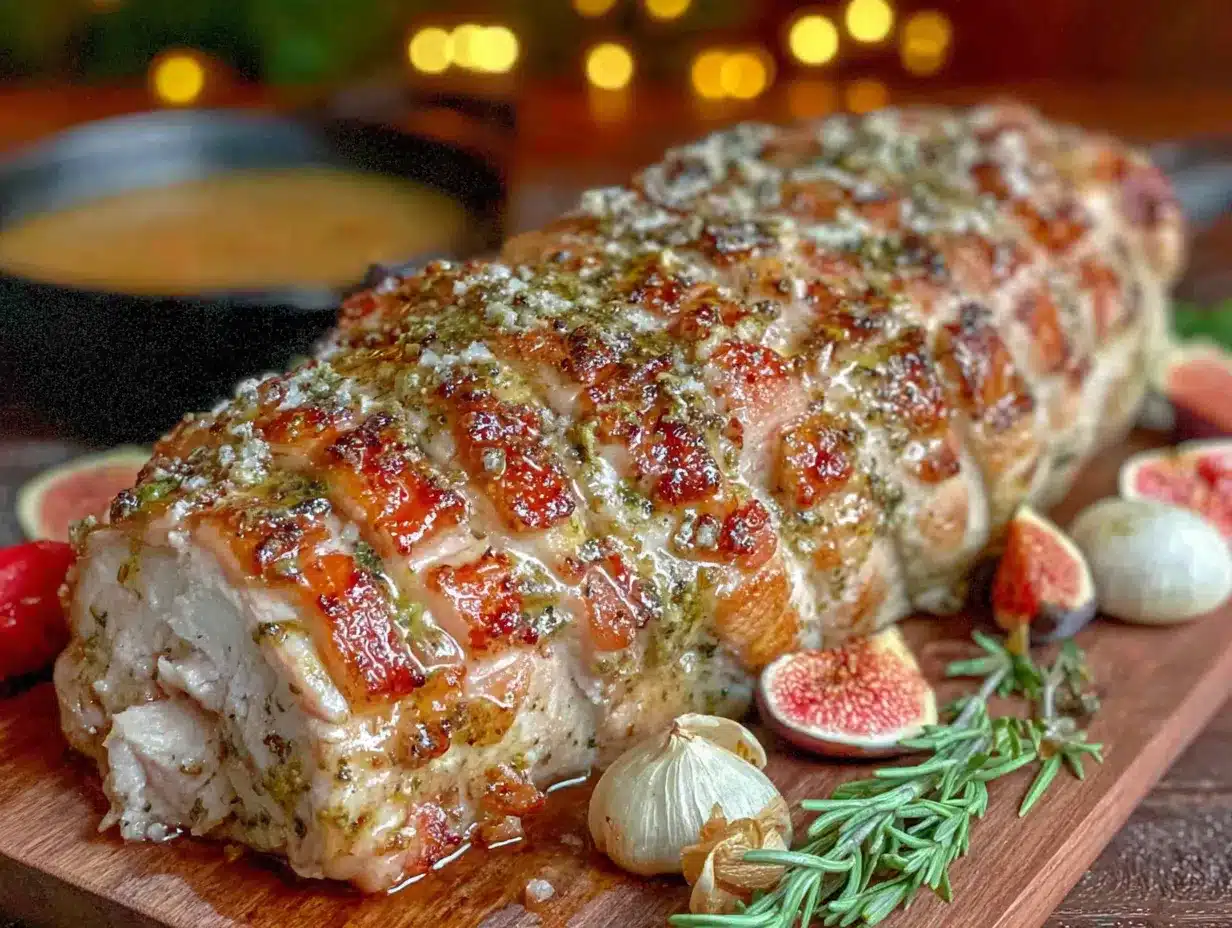
After making this recipe more times than I can count (it’s become a weekly staple), here are the things I wish someone had told me:
The Brown Butter Dance: Browning butter is one of those things that feels intimidating until you’ve done it a few times. The key is to keep the heat at medium—not high. You want the butter to foam and bubble gently, not aggressively. When the foam starts to clear and you see those brown specks, you’re there. Pull it off the heat immediately. I once got distracted by my phone and ended up with burnt butter that smelled like sadness.
Thermometer Is Your Best Friend: I cannot stress this enough. Turkey breast is lean and overcooks in a heartbeat. Pull it at 155°F (68°C) and let carryover cooking bring it to 160°F (71°C). Anything above 165°F (74°C) and you’re entering dry territory. I use a Thermapen, but any reliable instant-read thermometer works.
Don’t Crowd the Pan: If you’re making a larger turkey breast (say, 3 pounds), make sure your skillet is big enough. If the turkey is touching the sides of the pan, it’ll steam instead of sear. A 10-inch skillet is perfect for a 2-pounder.
Multitasking Strategy: While the turkey is roasting, use that time to prep your sides. I usually throw some green beans in a steamer basket and pop some potatoes in the oven. Everything finishes around the same time, and dinner feels like a real meal.
The Sage Secret: Don’t overcrowd the pan when frying the sage leaves. They need space to crisp up. And if they start to brown too quickly, remove them—burnt sage tastes bitter and medicinal.
Variations & Adaptations
This recipe is wonderfully adaptable. Here are some ways to make it your own:
Herb Swap: Not a sage fan? No problem. Use fresh thyme or rosemary instead. Thyme gives it a more subtle, earthy flavor, while rosemary adds a piney, aromatic note. I’ve also done a mix of thyme and oregano when I was out of sage, and it was fantastic.
Citrus Twist: Add a few strips of lemon zest to the butter while it browns. The bright citrus cuts through the richness beautifully. Or squeeze half a lemon into the pan sauce at the end for a pop of acidity.
Spice It Up: For a bit of heat, add a pinch of red pepper flakes to the butter along with the sage. It’s subtle but adds a lovely warmth that lingers.
Dairy-Free Version: Use a high-quality vegan butter or ghee (which is technically lactose-free) for the browning. The flavor won’t be quite the same, but it’s still delicious. I’ve used Miyoko’s vegan butter with good results.
Different Cooking Method: If you’re short on time, you can skip the oven step entirely. After searing, add the broth, cover the skillet, and simmer on low heat for 20-25 minutes until cooked through. The skin won’t be as crispy, but the meat will be tender and flavorful.
My Favorite Variation: I once added a tablespoon of maple syrup to the pan sauce at the end. The sweetness balanced the nutty brown butter and savory sage perfectly. It felt like fall in a spoon. My husband declared it the best turkey he’d ever eaten.
Serving & Storage Suggestions
This dish is a complete meal on its own, but here’s how to round it out:
Serving Temperature: Serve the turkey hot, right after resting. The pan sauce should be warm and glossy. I like to drizzle it over the sliced meat just before serving so it soaks in slightly.
What to Serve With It: Mashed potatoes are the obvious choice—they’re perfect for soaking up that brown butter sauce. Roasted Brussels sprouts or green beans add a nice contrast. A simple arugula salad with lemon vinaigrette cuts through the richness. And honestly, some crusty bread for wiping the plate clean is non-negotiable in my house.
Storage: Leftover turkey keeps in the fridge for 3-4 days in an airtight container. The pan sauce can be stored separately. The flavors actually deepen overnight, so leftovers might be even better the next day.
Reheating: The key to reheating turkey without drying it out is low and slow. Place slices in a skillet with a splash of chicken broth or water, cover, and heat over low heat for 5-7 minutes. Or microwave in 30-second bursts with a damp paper towel over the top. Avoid high heat—it’ll turn that beautiful turkey into shoe leather.
Freezing: Cooked turkey breast freezes well for up to 3 months. Slice it first, then wrap tightly in plastic wrap and foil. Thaw overnight in the fridge before reheating. The pan sauce also freezes well—pour it into an ice cube tray for easy portioning.
How Flavors Develop: The brown butter flavor actually mellows and deepens after a day in the fridge. The sage becomes more subtle. If you’re meal prepping, this is a great candidate—make it on Sunday, and Tuesday’s lunch will be something to look forward to.
Nutritional Information & Benefits
Turkey breast is one of the leanest, healthiest protein options out there. Here’s the breakdown for a serving (about 6 ounces of cooked meat with sauce):
- Calories: Approximately 380
- Protein: 45g — That’s a solid chunk of your daily needs.
- Fat: 18g — Mostly from the butter, but remember, butter has some health benefits in moderation.
- Carbohydrates: 2g — Minimal, making this great for low-carb diets.
- Sodium: 480mg — Depends on your broth and salt, so adjust if needed.
Health Highlights: Turkey is rich in B vitamins, particularly B6 and B12, which support energy metabolism and brain function. It’s also a great source of selenium, an antioxidant that supports thyroid health. The sage in this recipe isn’t just for flavor—it’s been used traditionally for its anti-inflammatory properties. And brown butter, while indulgent, contains butyrate, a fatty acid that supports gut health.
Dietary Considerations: This recipe is naturally gluten-free and low-carb. If you’re watching your sodium, use low-sodium broth and go easy on the salt. For a lower-fat version, you can reduce the butter to 2 tablespoons, though you’ll lose some of that nutty richness.
My Take: I’m all about balance. This dish is indulgent enough to feel like a treat, but it’s built on a lean protein and simple ingredients. Pair it with a big green salad or roasted veggies, and you’ve got a meal that’s both satisfying and nourishing.
Conclusion
This brown butter sage turkey breast for two has become one of those recipes I turn to again and again. It’s proof that you don’t need a whole bird or a complicated technique to make something that feels special. The brown butter adds a depth of flavor that’s honestly surprising for such a simple ingredient list, and the sage brings that cozy, autumnal feel that makes any dinner feel like an occasion.
What I love most about this recipe is how adaptable it is. Whether you’re cooking for a quiet date night, a small family dinner, or just treating yourself to something delicious, it delivers. And the best part? It costs a fraction of what you’d pay for a restaurant meal, with leftovers that are actually worth eating.
I’d love to hear how this turns out for you. Did you try any variations? Did your picky eater actually ask for seconds? Drop a comment below and let me know. And if you make this for someone special, tag me in your photos—I love seeing these recipes come to life in your kitchens.
Go ahead, brown that butter. You won’t regret it.
Frequently Asked Questions
Can I use dried sage instead of fresh?
You can, but I really recommend fresh for this recipe. Dried sage has a more concentrated, almost musty flavor that can overpower the dish. Fresh sage leaves crisp up beautifully and add a delicate, aromatic quality that dried just can’t match. If you’re in a pinch, use about 1 teaspoon of dried sage, crumbled, and add it to the butter rather than frying it.
How do I know when the turkey is done without a thermometer?
Honestly, I’d strongly suggest getting a thermometer—they’re cheap and take the guesswork out. But if you don’t have one, pierce the thickest part of the breast with a knife. The juices should run clear, not pink. The meat should feel firm but still have some give when pressed. And the internal temperature should feel hot to the touch if you insert a skewer for a few seconds. It’s not exact, but it works in a pinch.
Can I make this with a whole turkey instead of just the breast?
This recipe is designed for a breast portion, but you could adapt it for a whole turkey if you adjust the cooking time significantly. A whole turkey would need to roast much longer—think 2-3 hours depending on size. You’d also want to brown the butter separately and brush it over the bird rather than searing it in the pan. Honestly, for a whole turkey, you’re better off with a traditional roast turkey recipe.
What if I don’t have an oven-safe skillet?
No problem at all. Sear the turkey in a regular skillet, then transfer it to a baking dish or small roasting pan. Add the broth and rosemary to the baking dish, and roast as directed. You’ll lose a bit of the fond (those browned bits) for the pan sauce, but you can deglaze the skillet with a splash of broth and add that to the baking dish. It’s one extra dish to wash, but it works perfectly.
Can I prep this ahead of time?
Absolutely. You can season the turkey breast up to 24 hours in advance and keep it covered in the fridge. The salt will help season the meat throughout. You can also brown the butter and fry the sage leaves ahead of time—just store them separately in the fridge. When you’re ready to cook, let the turkey come to room temperature for 15 minutes, then sear and roast as directed. The pan sauce is best made fresh, but you can reheat the brown butter gently if needed.
Pin This Recipe!
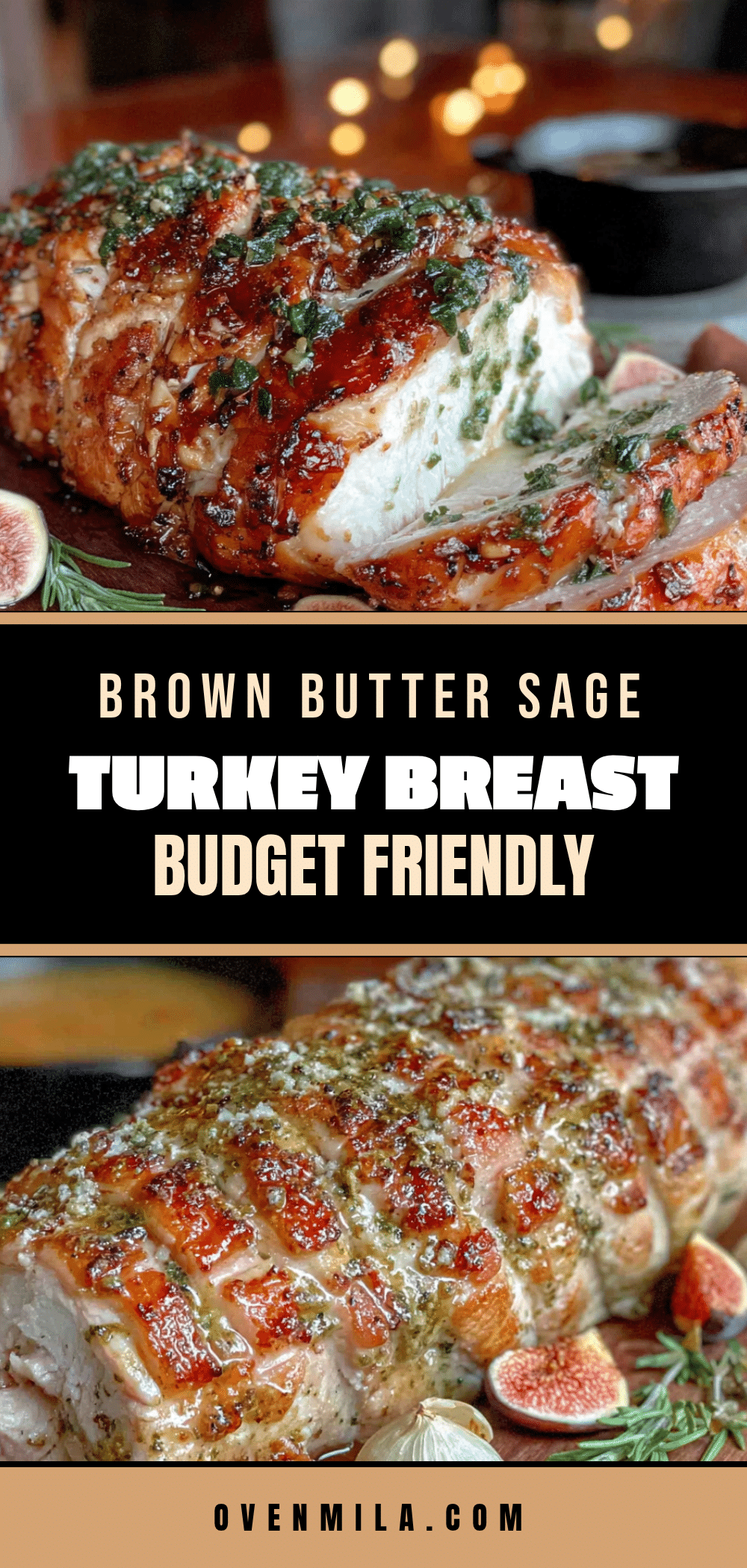
Best Easy Brown Butter Sage Turkey Breast for Two

A quick and budget-friendly turkey breast recipe with nutty brown butter and fragrant sage, perfect for a cozy weeknight dinner or date night. Ready in under an hour with no brining required.
- Prep Time: 15 minutes
- Cook Time: 30 minutes
- Total Time: 45 minutes
- Yield: 2 servings 1x
- Category: Main Course
- Cuisine: American
Ingredients
- 1 bone-in turkey breast (about 2 to 2.5 pounds)
- 4 tablespoons unsalted butter
- 8–10 fresh sage leaves
- 2 cloves garlic, smashed
- 1 tablespoon olive oil
- ½ teaspoon kosher salt
- ¼ teaspoon freshly ground black pepper
- ½ cup low-sodium chicken broth
- 1 sprig fresh rosemary (optional)
Instructions
- Preheat your oven to 375°F (190°C). Position the rack in the middle. Take the turkey breast out of the fridge and let it sit at room temperature for about 15 minutes.
- Pat the turkey breast dry with paper towels. Season generously on all sides with salt and pepper.
- In an oven-safe skillet over medium heat, add the olive oil and butter. Swirl the pan as the butter melts. Continue swirling until the foam subsides and brown specks form at the bottom, about 3-4 minutes. Watch carefully to avoid burning.
- Add the sage leaves and smashed garlic cloves to the skillet. Let them sizzle for about 30 seconds until fragrant. Remove the sage leaves with a slotted spoon and set aside for garnish.
- Carefully place the turkey breast in the hot skillet, skin side down. Cook undisturbed for 4-5 minutes until the skin is deep golden brown and crispy. Flip and sear the other side for 2-3 minutes.
- Pour the chicken broth around the turkey (not over the skin). Tuck the rosemary sprig into the liquid.
- Transfer the skillet to the preheated oven. Roast for 25-30 minutes, or until the internal temperature reaches 155°F (68°C) when inserted into the thickest part of the breast.
- Remove the skillet from the oven. Transfer the turkey breast to a cutting board and tent loosely with foil. Let it rest for 10-15 minutes.
- While the turkey rests, place the skillet over medium heat. Scrape up any browned bits from the bottom. Let the sauce simmer for 2-3 minutes until slightly reduced. Taste and adjust seasoning.
- Slice the turkey breast against the grain into thick pieces. Drizzle with the pan sauce and garnish with the crispy sage leaves.
Notes
Let the turkey rest for 10-15 minutes after roasting to keep it juicy. Brown butter can burn quickly, so watch it carefully. If using a boneless turkey breast, reduce cooking time by 10-15 minutes. For a dairy-free version, use vegan butter or ghee.
Nutrition
- Serving Size: 6 ounces cooked meat
- Calories: 380
- Sodium: 480
- Fat: 18
- Saturated Fat: 10
- Carbohydrates: 2
- Protein: 45
Keywords: turkey breast, brown butter, sage, easy dinner, date night, Thanksgiving for two, quick turkey recipe