The neighborhood potluck was in three hours and I had completely forgotten. I mean, completely. I was standing in my kitchen staring at the calendar on my phone, feeling that cold dread wash over me. Everyone else would be bringing their signature dishes—the ones they’d been perfecting for years. Sarah would show up with her famous lasagna that takes all day. Mark would have his smoked brisket that he babysits for twelve hours. And me? I had a half-empty fridge and a serious lack of inspiration.
I opened the crisper drawer and there they were—three acorn squashes I’d bought on a whim at the farmer’s market last Saturday. They were just sitting there, looking all striped and autumnal and completely unassuming. Honestly? I almost shut the drawer and panicked harder. But then I remembered a trick my neighbor Linda had mentioned about roasting squash with butter and maple syrup. She’d made it sound so simple I’d practically rolled my eyes at the time. Now I was scrambling to remember her exact words.
I grabbed the squash, some butter, and the maple syrup I’d been saving for pancakes. The whole thing came together in maybe forty minutes, and let me tell you—I was not prepared for what happened next. People actually asked for the recipe. More than once. The guy who never compliments anything ate three servings. I stood there with my plastic fork feeling equal parts proud and completely bewildered. You know that feeling when something so simple just works? That was this dish.
Now I make it for every gathering I go to. It’s become my thing, which is funny because it started as a total panic move. But honestly, that’s how the best recipes happen sometimes—when you’re out of time and out of options and you just have to trust the process.
Why You’ll Love This Recipe
Let me tell you why this roasted acorn squash with maple butter glaze has become my go-to for every single gathering I attend. I’ve tested this recipe at least a dozen times now, tweaking the ratios and roasting times until it’s absolutely foolproof. Here’s what makes it stand out:
- Quick & Easy: This comes together in under an hour with maybe ten minutes of active prep. You can literally make this while you’re getting ready for a party. I’ve done it.
- Simple Ingredients: You probably have everything already. Squash, butter, maple syrup, salt, pepper. That’s it. No fancy grocery store runs required.
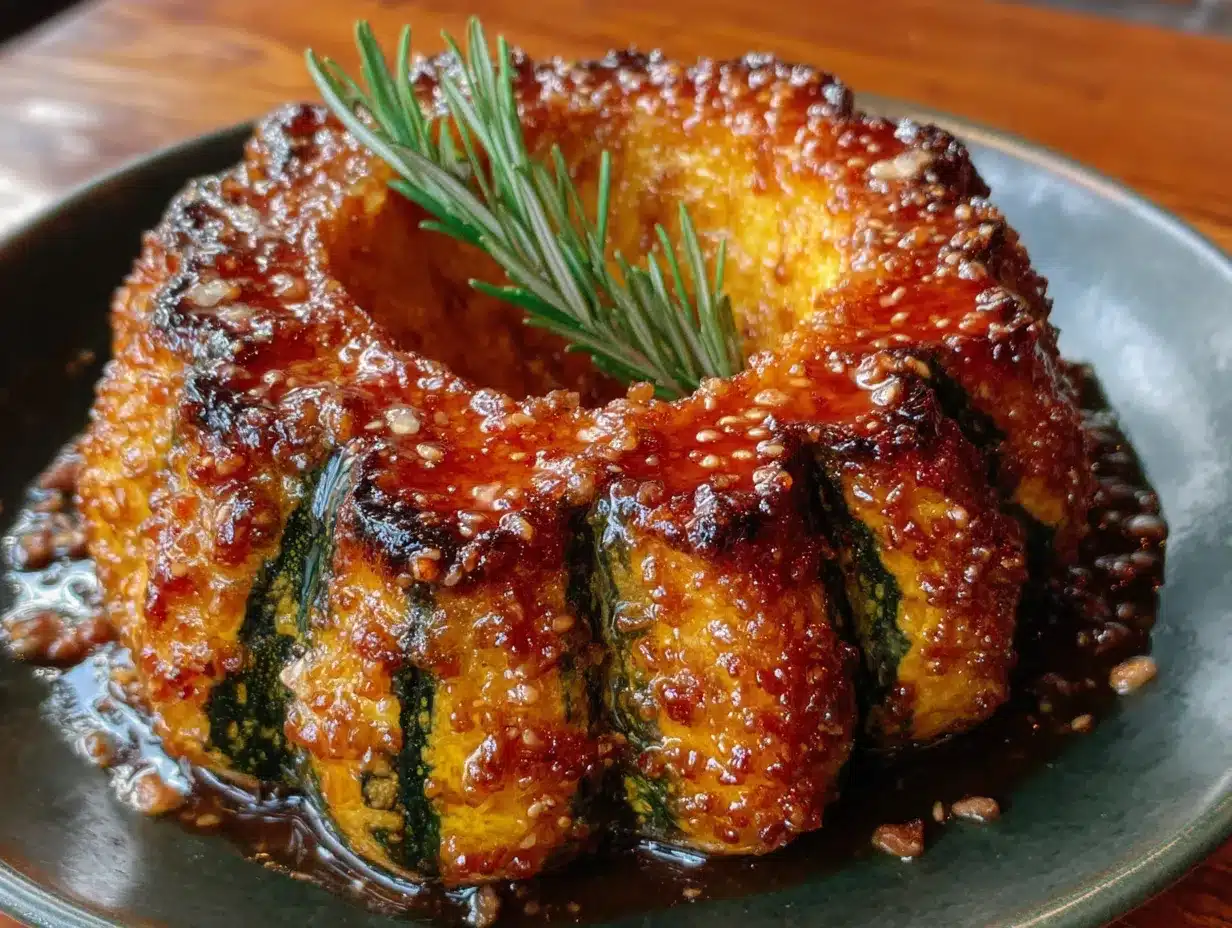
- Perfect for Hosting: This dish looks way more impressive than it actually is. The golden-brown edges and glossy glaze make it look like you spent hours. Your guests will think you’re a culinary genius.
- Crowd-Pleaser: I’ve served this to kids, picky eaters, vegans, and serious foodies. Everyone loves it. I’m not exaggerating—every single time.
- Unbelievably Delicious: The combination of sweet maple, rich butter, and caramelized squash is honestly next-level. The edges get all crispy and the centers stay tender. It’s comfort food that feels a little fancy.
What makes this recipe different from all the others out there? It’s the technique. Most recipes tell you to just toss everything together and hope for the best. But I’ve learned that scoring the squash before roasting lets the glaze seep into all those little crevices. And basting halfway through? That’s the secret to getting that gorgeous, sticky finish that makes people close their eyes after the first bite. This isn’t just another roasted squash recipe—it’s the one you’ll come back to every fall.
What Ingredients You Will Need
This recipe uses simple, wholesome ingredients that work together to create something truly special. Most of these are pantry staples, especially during fall and winter. Here’s what you’ll need:
For the Squash:
- 2 medium acorn squashes (about 1.5 pounds each) — Look for squashes that feel heavy for their size with firm, unblemished skin. The striped ones are usually the sweetest.
- 2 tablespoons olive oil — A good quality extra virgin olive oil works fine, but regular olive oil is perfect. You just need something to help everything crisp up.
- 1/2 teaspoon salt — I prefer kosher salt for roasting. It distributes more evenly and doesn’t clump. Diamond Crystal is my go-to brand.
- 1/4 teaspoon black pepper — Freshly ground is always better, but pre-ground works in a pinch.
For the Maple Butter Glaze:
- 4 tablespoons unsalted butter — Use good butter here. I really like Kerrygold for its rich flavor, but any unsalted butter will work. If you only have salted, just reduce the added salt slightly.
- 1/4 cup pure maple syrup — Please don’t use pancake syrup. Real maple syrup makes all the difference. Grade A dark amber is my favorite for its robust flavor (adds deep sweetness).
- 1 tablespoon brown sugar — Light or dark both work. Dark brown sugar gives a deeper molasses flavor that’s lovely with the maple.
- 1/2 teaspoon cinnamon — Fresh ground cinnamon is amazing here, but honestly, the pre-ground stuff from the store works just fine.
- 1/4 teaspoon nutmeg — Freshly grated if you have it, but ground is totally fine. A little goes a long way.
- Pinch of cayenne pepper — This is optional but I highly recommend it. It doesn’t make the dish spicy—it just wakes up all the other flavors.
For Garnish (Optional but Recommended):
- Fresh thyme or sage leaves — A few leaves scattered on top make it look restaurant-quality. Plus, the herbal notes balance the sweetness beautifully.
- Flaky sea salt — Maldon or any flaky salt. That little crunch of salt on top is addictive.
- Toasted pecans or walnuts — Adds texture and makes it feel more substantial. I often add these when I’m serving it as a main dish.
If you’re looking for substitutions, here are some that work well: Use coconut oil instead of butter for a dairy-free version. Swap maple syrup with honey or agave if that’s what you have. And if you can’t find acorn squash, butternut or delicata squash work beautifully too—just adjust the roasting time slightly.
Equipment Needed
You don’t need much for this recipe, which is part of why I love it so much. Here’s what you’ll want to have on hand:
- A sharp chef’s knife — Acorn squash is tough. A dull knife is dangerous here. I use my 8-inch Wusthof and it works perfectly. If your knife isn’t sharp, consider getting it sharpened or using a sturdy vegetable peeler to remove some of the ridges first.
- A sturdy cutting board — Something that won’t slide around. Place a damp paper towel underneath if needed.
- A large baking sheet — Half-sheet pans are perfect. I’ve used my Nordic Ware ones for years and they still look great. If you don’t have a rimmed baking sheet, a large casserole dish works too.
- Parchment paper or aluminum foil — This makes cleanup so much easier. The glaze gets sticky and trust me, you don’t want to scrub that off.
- A small saucepan — For making the glaze. Any small pot will do.
- A pastry brush — For brushing the glaze onto the squash. A silicone brush is easiest to clean. If you don’t have one, you can use a spoon to drizzle it on.
- A metal spatula — For flipping the squash pieces. A thin metal spatula works best for getting under those caramelized edges.
Budget-friendly tip: You don’t need fancy equipment. A basic baking sheet from the dollar store works fine. Just make sure it’s not too flimsy or it might warp in the oven. And honestly? I’ve made this with a butter knife (not recommended, but desperate times) and a fork for basting. It still turned out great.
Preparation Method
Alright, let’s get cooking. This recipe is straightforward, but I’ll walk you through every step so you get perfect results every time.
- Preheat your oven to 400°F (200°C). Place a rack in the middle position. Getting the oven properly hot is important for that caramelization we’re after.
- Prepare the squash. Using your sharpest knife, carefully cut each acorn squash in half from stem to tip. Be really careful here—acorn squash can be stubborn. If you’re struggling, microwave the whole squash for 2 minutes to soften it slightly. Scoop out the seeds and stringy bits with a spoon. I use a sturdy metal spoon for this. Don’t throw away the seeds—you can roast them just like pumpkin seeds!
- Slice the squash into wedges. Cut each half into 1-inch thick slices. You should get about 4-5 wedges per half, depending on the size of your squash. Try to keep them similar in size so they cook evenly. I’ve learned this the hard way—those skinny little pieces burn while the chunky ones stay undercooked.
- Season the squash. Place the wedges on your prepared baking sheet. Drizzle with the olive oil, then sprinkle with salt and pepper. Use your hands to toss everything together, making sure each piece is coated. Spread them out in a single layer—no overlapping! If they’re crowded, they’ll steam instead of roast.
- Roast for 20 minutes. Pop the pan in the oven and set a timer. While it’s roasting, you can make the glaze.
- Make the maple butter glaze. In a small saucepan over medium heat, melt the butter. Add the maple syrup, brown sugar, cinnamon, nutmeg, and cayenne pepper. Whisk everything together until smooth. Let it simmer gently for 2-3 minutes until it thickens slightly. You’ll notice it getting all glossy and fragrant. Remove from heat and set aside.
- Flip and glaze. After 20 minutes, take the pan out of the oven. Use your metal spatula to carefully flip each piece of squash. They should be starting to brown on the edges. Brush the maple butter glaze generously over each piece. Don’t be shy—this is where the magic happens.
- Roast for another 15-20 minutes. Return the pan to the oven. The squash is done when it’s tender enough to pierce easily with a fork and the edges are caramelized and dark golden brown. The glaze should be bubbling and sticky. Your kitchen will smell incredible at this point.
- Finish with garnishes. Transfer the roasted squash to a serving platter. Drizzle any remaining glaze from the pan over the top. Sprinkle with fresh thyme or sage leaves, a pinch of flaky sea salt, and toasted pecans if you’re using them. Let it rest for 5 minutes before serving—the glaze needs a moment to set.
A few sensory cues to watch for: The squash should be fork-tender but still hold its shape. The edges should look dark and caramelized, almost like candy. And the glaze should be thick and sticky, not runny. If it seems too thin, you can simmer it a bit longer next time.
Cooking Tips & Techniques
After making this recipe more times than I can count, I’ve picked up a few tricks that make a real difference. Let me share them with you.
Score the flesh before roasting. This is something I figured out after my third or fourth batch. Take a sharp knife and make shallow diagonal cuts across the cut side of each wedge, about 1/4 inch deep. Don’t cut all the way through the skin. This creates little channels for the glaze to seep into, and the result is way more flavorful. It also helps the squash cook more evenly.
Don’t overcrowd the pan. I know it’s tempting to cram everything onto one sheet pan, but please don’t. If the pieces are touching, they’ll steam instead of roast, and you’ll miss out on that gorgeous caramelization. Use two pans if you need to, or roast in batches. Your patience will be rewarded.
Baste halfway through. This is non-negotiable. That first brush of glaze after 20 minutes creates a beautiful foundation. Then the second roast caramelizes it perfectly. I’ve tried adding all the glaze at the beginning, and it just burns. Trust the process.
Watch the edges. Every oven is different. Your squash might be done at 35 minutes total or it might need 45. Start checking at the 30-minute mark. The edges should be dark brown but not black. If they’re getting too dark too fast, tent the pan loosely with foil for the last 10 minutes.
Let it rest. This is the hardest part, I know. But letting the squash sit for 5 minutes after roasting allows the glaze to set and the flavors to meld. If you serve it immediately, the glaze will just slide off. Patience, my friend.
One thing I learned the hard way: I once tried to rush the process by cranking the oven to 450°F. The glaze burned before the squash was tender. So stick with 400°F—it’s the sweet spot for getting that perfect texture.
Variations & Adaptations
This recipe is wonderfully flexible. Here are some variations I’ve tried and loved:
Savory Herb Version: Skip the cinnamon and nutmeg. Add 2 cloves of minced garlic to the butter while it melts, and stir in 1 tablespoon of fresh rosemary and 1 tablespoon of fresh thyme. The garlic-herb butter with the maple is absolutely incredible. I made this for Thanksgiving last year and it stole the show from the turkey.
Spicy Maple Version: Double the cayenne pepper and add 1/2 teaspoon of smoked paprika. The smoky heat balances the sweetness beautifully. My brother-in-law, who claims to hate sweet dishes, ate half a pan of this version.
Vegan Version: Replace the butter with coconut oil or a good vegan butter. I’ve used Miyoko’s European Style Cultured Vegan Butter and it worked perfectly. The coconut oil version has a subtle coconut flavor that pairs surprisingly well with the maple.
Different Squash Options: Acorn squash is classic, but this glaze works on just about any winter squash. Butternut squash needs about the same roasting time. Delicata squash cooks faster—check it at 25 minutes total. And kabocha squash? Oh man, that’s a game-changer. It gets incredibly creamy inside.
Make it a Meal: Toss the roasted squash with cooked quinoa, dried cranberries, and arugula for a gorgeous fall salad. Or serve it over a bed of creamy polenta with some sautéed kale. I’ve done both and they’re fantastic for a meatless dinner.
Serving & Storage Suggestions
This dish is best served warm, right after it comes out of the oven. The glaze is at its stickiest and most glorious at this point. Transfer the squash to a warm serving platter—I like to use a white one to make those golden colors pop. Arrange the wedges in a fan pattern or just pile them up casually. Either way looks beautiful.
For a dinner party, I love serving this alongside a roast chicken or pork tenderloin. The sweetness of the squash complements savory meats perfectly. It’s also fantastic with a simple green salad dressed with a tangy vinaigrette—the acidity cuts through the richness. And don’t forget the wine! A crisp Riesling or a light Pinot Noir pairs beautifully.
Storage: Leftover roasted squash keeps well in an airtight container in the refrigerator for up to 4 days. The glaze will soften and the squash will lose some of its crisp edges, but it’s still delicious. I actually love leftovers cold, straight from the fridge—the flavors meld together even more overnight.
Reheating: To bring back some of that caramelized goodness, reheat the squash in a 350°F oven for about 10 minutes. You can also use an air fryer at 350°F for 5-7 minutes. The microwave works in a pinch, but the texture won’t be as good. If you’re reheating for a party, I recommend adding a fresh drizzle of maple syrup and a sprinkle of flaky salt to revive it.
Freezing: You can freeze roasted squash for up to 3 months. Let it cool completely, then transfer to a freezer-safe container. To serve, thaw overnight in the refrigerator and reheat in the oven. The texture won’t be quite as perfect as fresh, but it’s still wonderful for soups or purees.
Nutritional Information & Benefits
Here’s the approximate nutritional breakdown for one serving (about 4 wedges, using the full glaze recipe divided among 6 servings):
- Calories: 220
- Total Fat: 11g
- Saturated Fat: 6g
- Carbohydrates: 32g
- Fiber: 4g
- Sugar: 18g
- Protein: 2g
- Sodium: 220mg
- Vitamin A: 45% of Daily Value
- Vitamin C: 30% of Daily Value
- Potassium: 600mg
Acorn squash is packed with nutrition. It’s loaded with vitamin A for eye health, vitamin C for immune support, and potassium for heart health. The fiber content helps with digestion and keeps you feeling full. Plus, it’s naturally gluten-free and vegan-friendly if you use the substitutions I mentioned earlier.
One thing I love about this dish is that it feels indulgent but it’s actually pretty wholesome. The maple syrup and butter add some sugar and fat, but the base is a nutrient-dense vegetable. It’s the kind of dish that makes you feel good about eating your veggies—even when they’re coated in a delicious glaze.
Conclusion
This roasted acorn squash with maple butter glaze has become my signature dish, and it all started with a panic attack and an empty fridge. That’s the thing about cooking—sometimes the best recipes come from the most unplanned moments. This dish is proof that you don’t need fancy ingredients or hours of prep to create something that people will rave about.
I hope you give this recipe a try, whether you’re hosting a dinner party, bringing a dish to a potluck, or just want to make a cozy fall dinner for yourself. Feel free to play with the seasonings and make it your own. That’s the beauty of a simple recipe like this—it’s a canvas for your creativity.
I’d love to hear how it turns out for you! Drop a comment below and let me know if you tried any variations or if this became your go-to potluck dish too. And if you’re looking for more crowd-pleasing recipes, be sure to check out my best easy roasted vegetables and maple glazed carrots for more sweet and savory side dishes. Happy cooking, friends!
Frequently Asked Questions
Can I make this recipe ahead of time?
Absolutely! You can roast the squash up to a day in advance. Just reheat it in a 350°F oven for 10 minutes before serving. I actually think the flavors get even better overnight. Just wait to add the fresh herbs until right before serving so they stay vibrant.
Do I have to peel the acorn squash?
Nope! The skin of acorn squash is completely edible once roasted. It gets tender and slightly chewy. Some people love it, some don’t. If you prefer, you can peel the squash before roasting, but it’s extra work and honestly, the skin adds nice texture and nutrients. I leave it on.
Can I use a different type of squash?
Yes, this glaze works on just about any winter squash. Butternut, delicata, kabocha, and even pumpkin all work beautifully. Just adjust the roasting time based on the size and density of your squash. Delicata cooks faster, while butternut takes about the same time as acorn.
What if I don’t have maple syrup?
Honey or agave nectar are the best substitutes. They’ll give a similar sweetness and consistency. Brown sugar dissolved in a little warm water also works in a pinch. Just keep in mind that the flavor will be slightly different—maple has that distinct woodsy sweetness that’s hard to replicate perfectly.
Is this recipe suitable for vegans?
With one simple swap, yes! Replace the butter with coconut oil or a high-quality vegan butter. I’ve tested both and they work great. The coconut oil version has a subtle coconut flavor that’s actually lovely with the maple and cinnamon. Just make sure your maple syrup is 100% pure—some brands add honey.
Pin This Recipe!
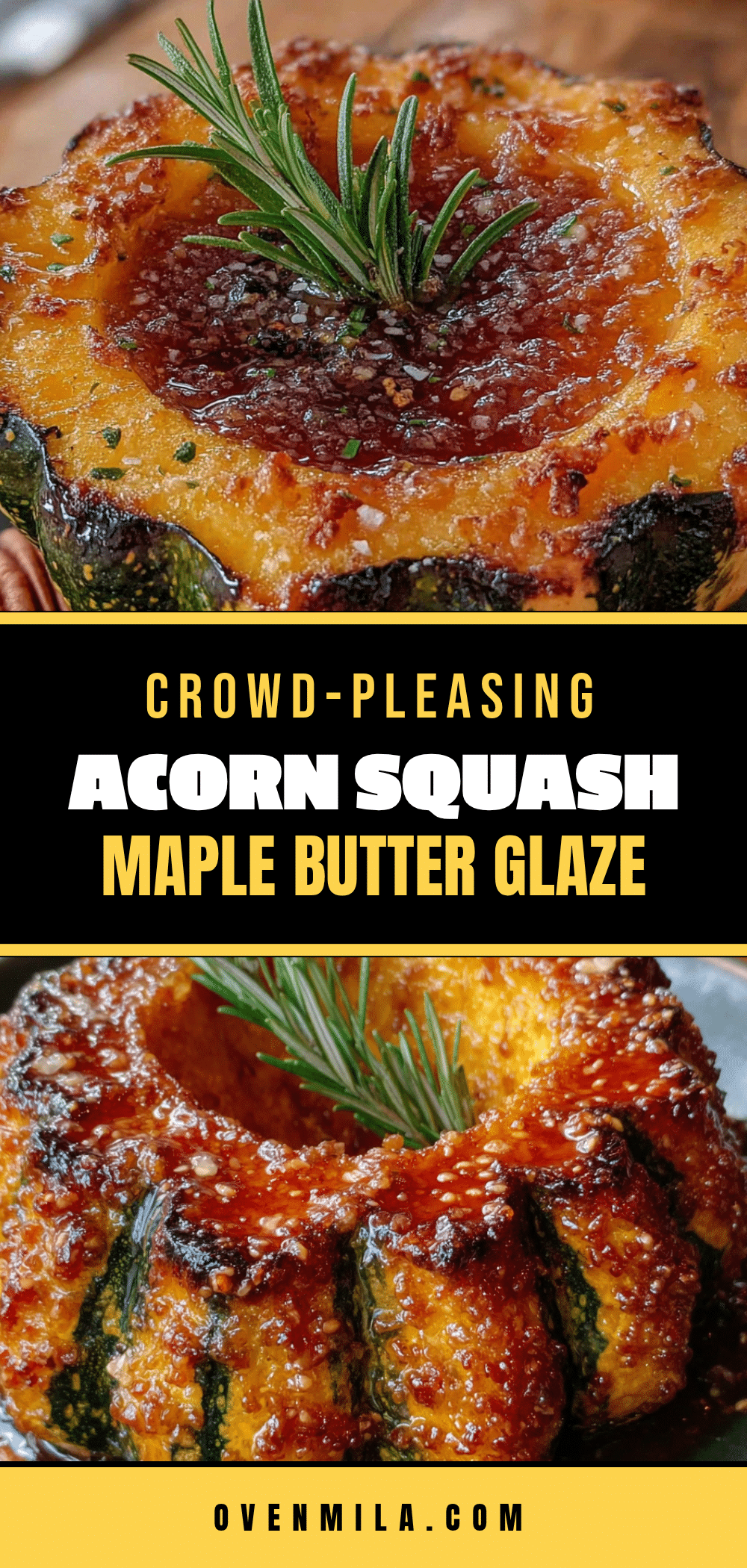
Best Easy Roasted Acorn Squash with Maple Butter Glaze

This roasted acorn squash with maple butter glaze is a quick and easy side dish that looks impressive but requires minimal effort. The combination of sweet maple, rich butter, and caramelized squash creates a crowd-pleasing dish perfect for any gathering.
- Prep Time: 10 minutes
- Cook Time: 35-40 minutes
- Total Time: 45-50 minutes
- Yield: 6 servings 1x
- Category: Side Dish
- Cuisine: American
Ingredients
- 2 medium acorn squashes (about 1.5 pounds each)
- 2 tablespoons olive oil
- 1/2 teaspoon salt
- 1/4 teaspoon black pepper
- 4 tablespoons unsalted butter
- 1/4 cup pure maple syrup
- 1 tablespoon brown sugar
- 1/2 teaspoon cinnamon
- 1/4 teaspoon nutmeg
- Pinch of cayenne pepper (optional)
- Fresh thyme or sage leaves (for garnish, optional)
- Flaky sea salt (for garnish, optional)
- Toasted pecans or walnuts (for garnish, optional)
Instructions
- Preheat your oven to 400°F (200°C). Place a rack in the middle position.
- Prepare the squash: Using a sharp knife, carefully cut each acorn squash in half from stem to tip. Scoop out the seeds and stringy bits with a spoon.
- Slice the squash into wedges: Cut each half into 1-inch thick slices, aiming for about 4-5 wedges per half. Try to keep them similar in size for even cooking.
- Season the squash: Place the wedges on a parchment-lined baking sheet. Drizzle with olive oil, then sprinkle with salt and pepper. Toss to coat evenly and spread in a single layer without overlapping.
- Roast for 20 minutes.
- Make the maple butter glaze: In a small saucepan over medium heat, melt the butter. Add maple syrup, brown sugar, cinnamon, nutmeg, and cayenne pepper. Whisk until smooth. Let simmer gently for 2-3 minutes until slightly thickened. Remove from heat.
- Flip and glaze: After 20 minutes, remove the pan from the oven. Flip each piece of squash using a metal spatula. Brush the maple butter glaze generously over each piece.
- Roast for another 15-20 minutes, until the squash is fork-tender and the edges are caramelized and dark golden brown.
- Finish with garnishes: Transfer to a serving platter. Drizzle any remaining glaze from the pan over the top. Sprinkle with fresh thyme or sage leaves, flaky sea salt, and toasted pecans if using. Let rest for 5 minutes before serving.
Notes
Score the flesh of the squash before roasting by making shallow diagonal cuts about 1/4 inch deep to allow the glaze to seep in. Don’t overcrowd the pan—use two pans if needed. Baste halfway through for best caramelization. Let the squash rest for 5 minutes after roasting to allow the glaze to set. For a dairy-free version, replace butter with coconut oil or vegan butter. For a savory version, skip cinnamon and nutmeg and add minced garlic and fresh herbs to the butter.
Nutrition
- Serving Size: About 4 wedges
- Calories: 220
- Sugar: 18
- Sodium: 220
- Fat: 11
- Saturated Fat: 6
- Carbohydrates: 32
- Fiber: 4
- Protein: 2
Keywords: roasted acorn squash, maple butter glaze, fall side dish, easy squash recipe, holiday side dish, vegetarian, gluten-free