I was at the farmer’s market last October, not really looking for anything in particular, just wandering and enjoying the cool air. I had this bag of apples in one hand and was about to head home when this older gentleman—a plumber I’d hired once to fix a leaky pipe—waved me over to his stall. Now, Frank is not the first person you’d expect to be selling produce, let alone giving cooking advice. But there he was, holding up this funny little squash that looked like a miniature butternut, all ribbed and a deep sunset orange. “You gotta try these,” he said, almost like he was letting me in on a secret. “Roast ’em with some butter and sage. Trust me.” I honestly thought he was just trying to make a sale, but the way he described the flavor—sweet, nutty, almost like candy—made me grab a few. I mean, when a plumber tells you about a vegetable with that much passion, you listen, right?
That night, I followed his advice. I halved the squash, scooped out the seeds, and roasted it with a bit of olive oil. The smell that filled my kitchen was incredible—like a warm hug on a chilly evening. But it wasn’t until I drizzled that brown butter and crispy sage over the top that I understood what Frank was so excited about. The squash had this creamy, almost custard-like texture, and the brown butter added this deep, toasty richness that made the natural sweetness of the squash sing. It was the kind of side dish that steals the show at a dinner party, you know? The one people keep reaching for even after they’re full.
So now, this roasted honeynut squash with brown butter and sage has become my go-to for fall gatherings. It’s ridiculously simple to make, but it looks like you spent hours on it. Frank probably has no idea that his little tip turned into my most-requested recipe for Thanksgiving and holiday dinners. Honestly, it’s the kind of dish that makes you look like a hero in the kitchen with almost zero effort. Maybe you’ve been there, looking for something that impresses without the stress? Well, this is it.
Why You’ll Love This Recipe
Look, I’ve tested a lot of squash recipes over the years. Some are too watery, some are too bland, and some just take forever. This one is different. After the first time I made it for a potluck, I had three people ask me for the recipe before I even put the dish down. It’s that good. Here is why this roasted honeynut squash is going to become your new favorite side dish for any gathering.
- Quick & Easy: From start to finish, this dish comes together in about 35 minutes. The oven does most of the work, which leaves you free to focus on the main course or, you know, just relax before your guests arrive.
- Simple Ingredients: You only need a handful of pantry staples. No fancy grocery trips or hard-to-find spices. Just squash, butter, sage, and a few seasonings.
- Perfect for Hosting: This is a showstopper for Thanksgiving, Friendsgiving, or any fall dinner party. It looks elegant on a platter and pairs beautifully with roasted meats like turkey, chicken, or pork.
- Crowd-Pleaser: I have served this to everyone from my picky nephew to my health-conscious sister-in-law, and it gets rave reviews every single time. It’s naturally sweet and savory, so it appeals to all palates.
- Unbelievably Delicious: The texture is what gets me. The honeynut squash gets incredibly creamy and tender when roasted, almost like a sweet potato but more refined. The brown butter and sage add a nutty, aromatic finish that is pure comfort.
What sets this recipe apart from other squash dishes is the technique of roasting the squash cut-side down first to caramelize the natural sugars, then flipping it to finish with the brown butter glaze. This two-step method ensures you get that perfect golden-brown edge without the squash turning mushy. It’s a small trick, but it makes all the difference. This isn’t just another roasted vegetable recipe—it’s the best version of roasted honeynut squash you’ll ever make. It’s the kind of dish that makes you close your eyes after the first bite, and honestly, it’s perfect for impressing guests without breaking a sweat.
What Ingredients You Will Need
This recipe uses simple, wholesome ingredients that come together to create something truly special. Most of these are probably already in your kitchen, aside from the squash itself, which is easy to find at farmers’ markets or grocery stores in the fall. Here is everything you need and a few notes on how to pick the best.
- Honeynut Squash (2-3 medium): This is the star of the show. Honeynut squash is smaller and sweeter than butternut squash, with a thinner skin that doesn’t need to be peeled. Look for squash that feels heavy for its size and has a deep orange color. Avoid any with soft spots or blemishes. If you can’t find honeynut, you can substitute with butternut squash or delicata squash, but the cooking time and sweetness will vary slightly.
- Unsalted Butter (4 tablespoons): We are browning this butter, so using unsalted gives you full control over the salt level. I prefer using a good quality European-style butter like Kerrygold for a richer flavor, but any unsalted butter will work. If you only have salted butter, just reduce the added salt in the recipe by a pinch.
- Fresh Sage Leaves (10-12 leaves): Fresh sage is non-negotiable here. The dried stuff just won’t give you that same aromatic, slightly peppery flavor that crisps up so beautifully in the brown butter. Look for bright green leaves without any brown spots. You can find fresh sage in the produce section of most grocery stores.
- Extra-Virgin Olive Oil (2 tablespoons): This is used to coat the squash before roasting. It helps the squash caramelize and prevents it from drying out. You can use avocado oil if you prefer a neutral flavor.
- Kosher Salt (1 teaspoon): I use Diamond Crystal kosher salt. If you are using a finer salt, like table salt, reduce the amount by half. Salt is crucial here to balance the sweetness of the squash.
- Black Pepper (½ teaspoon, freshly ground): Freshly ground black pepper adds a subtle warmth that complements the sage. Pre-ground pepper works in a pinch, but fresh is always better.
- Maple Syrup (1 tablespoon, optional): This is optional, but I love adding a tiny drizzle of maple syrup to the brown butter for an extra layer of sweetness. It really makes the squash taste like candy. Use pure maple syrup, not pancake syrup.
- Flaky Sea Salt (for finishing, like Maldon): A sprinkle of flaky sea salt right before serving adds a wonderful crunch and a pop of saltiness that contrasts beautifully with the sweet squash. It’s a small touch that makes a big difference.
Equipment Needed
You don’t need any special gadgets for this recipe, which is part of its beauty. Here is what you will need to pull this off without a hitch.
- Baking Sheet: A large, rimmed baking sheet is essential. I prefer a half-sheet pan (18×13 inches) because it gives the squash plenty of room to roast without steaming. If you don’t have a rimmed baking sheet, a large roasting pan will work.
- Parchment Paper: Lining your baking sheet with parchment paper makes cleanup a breeze and prevents the squash from sticking. You can use a silicone baking mat as an alternative, but it might not get the squash quite as crispy on the bottom.
- Chef’s Knife: A sharp chef’s knife is crucial for safely cutting the honeynut squash in half. These little guys are dense, so a dull knife can be dangerous. A 7- or 8-inch knife works perfectly.
- Cutting Board: A sturdy cutting board is a must. I like using a wooden board because it’s gentle on my knives, but a plastic one works just fine.
- Small Saucepan: You need a small, light-colored saucepan to make the brown butter. A light-colored pan makes it easier to see the butter change color as it browns. A stainless steel pan is ideal.
- Spoon or Silicone Spatula: For scooping out the seeds from the squash. A regular spoon works, but a grapefruit spoon with a serrated edge is even better for getting the stringy bits out.
Preparation Method
Alright, let’s get cooking. This recipe is straightforward, but I’ve included some little tips I’ve learned from making it a dozen times. Follow these steps, and you will have a dish that looks and tastes like it came from a fancy restaurant.
- Preheat Your Oven to 400°F (200°C). Place a rack in the middle of the oven. Getting the oven nice and hot is key for caramelizing the squash. While the oven heats up, line a large baking sheet with parchment paper for easy cleanup.
- Prep the Squash. Rinse the honeynut squash under cold water and pat them dry. Using a sharp chef’s knife, carefully cut each squash in half lengthwise, from the stem end to the tip. This can take a bit of muscle, so take your time. I hold the squash steady with a towel to prevent it from slipping. Once halved, use a spoon to scoop out the seeds and stringy pulp. Don’t worry about getting every last bit of string—just the bulk of it.
- Season the Squash. Drizzle the cut sides of the squash halves with the olive oil. Use your hands or a brush to coat the flesh evenly. Season generously with the kosher salt and black pepper. Place the squash halves cut-side down on the prepared baking sheet. This is important! Roasting them cut-side down first allows the flesh to steam and caramelize against the hot pan, creating a beautiful golden-brown crust.
- Roast the Squash. Roast the squash for 20 to 25 minutes, until the flesh is tender and easily pierced with a fork. The exact time will depend on the size of your squash. You want the squash to be just tender, not mushy. While the squash roasts, you can make the brown butter.
- Make the Brown Butter. Place the small saucepan over medium heat. Add the 4 tablespoons of unsalted butter. Let it melt completely, swirling the pan occasionally. The butter will start to foam and crackle. Keep a close eye on it. After a few minutes, the foam will subside, and you will see little brown specks forming at the bottom of the pan. The butter will smell nutty and toasty. This is your cue! Immediately remove the pan from the heat to prevent it from burning. Stir in the fresh sage leaves. They will sizzle and crisp up in the residual heat. If you are using the maple syrup, stir it in now. Set the pan aside.
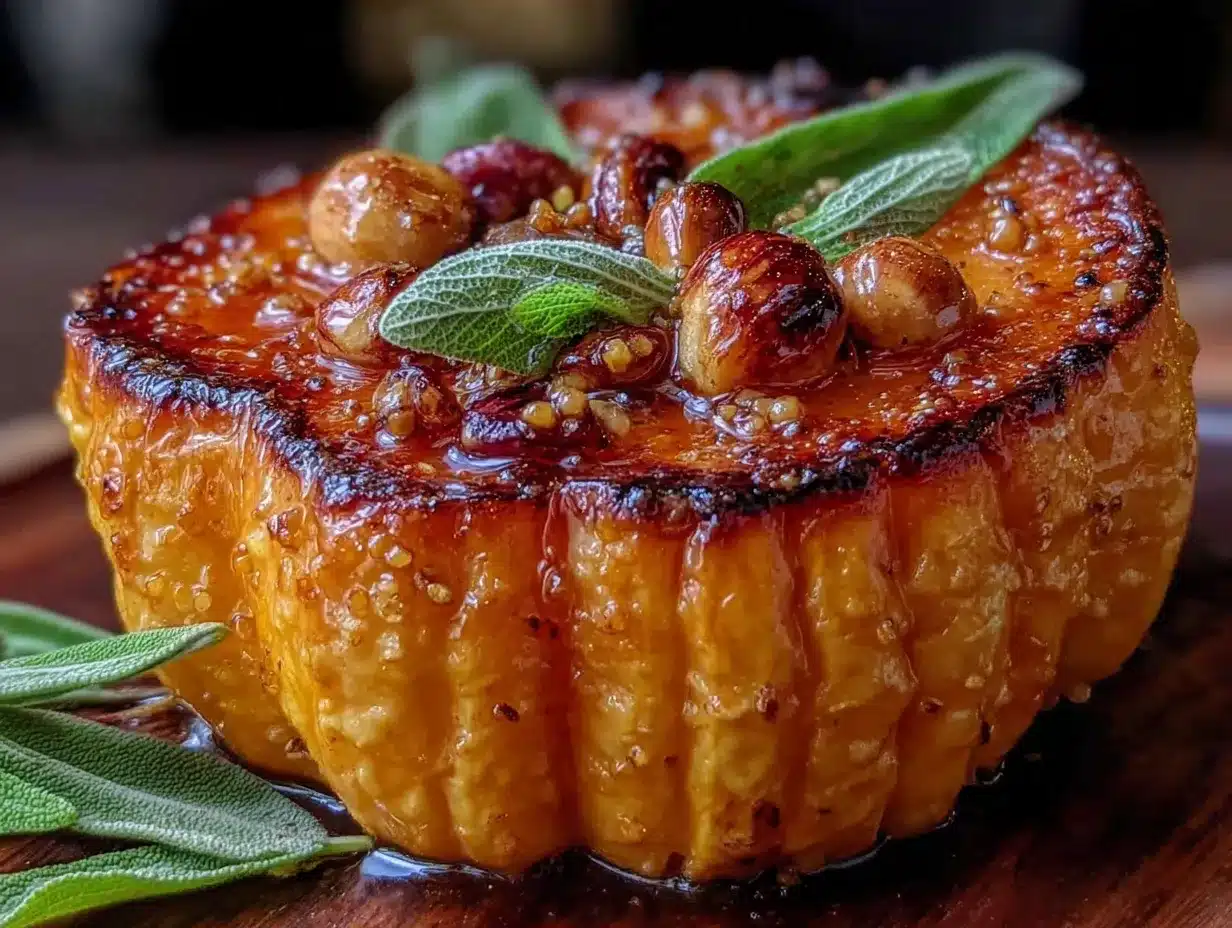
- Flip and Glaze. Once the squash is tender, carefully remove the baking sheet from the oven. Using tongs, flip each squash half over so they are cut-side up. Drizzle the brown butter and sage mixture evenly over the cut sides of the squash. Try to get a sage leaf on each half for presentation.
- Finish Roasting. Return the baking sheet to the oven and roast for another 5 to 10 minutes, until the squash is glazed and the edges are starting to caramelize. The brown butter will soak into the flesh, making it even more delicious.
- Serve. Remove the squash from the oven and let it rest for 2 minutes. Transfer the squash halves to a serving platter. Spoon any remaining brown butter from the pan over the top. Finish with a generous sprinkle of flaky sea salt. Serve warm.
Cooking Tips & Techniques
I’ve burnt my fair share of butter and over-roasted my share of squash, so let me save you the trouble. Here are my best tips for nailing this dish every single time.
- Don’t Crowd the Pan: Give the squash halves some breathing room on the baking sheet. If they are too close together, they will steam instead of roast, and you won’t get that lovely caramelization. If you are making a big batch for a party, use two baking sheets.
- Watch the Butter Like a Hawk: Brown butter can go from perfect to burnt in about 15 seconds. Once you see those brown specks form and smell that nutty aroma, pull it off the heat immediately. I once got distracted by a phone call, and my butter turned black. It was a sad, smoky mess. Learn from my mistake!
- Use a Light-Colored Pan for the Butter: This is a game-changer. A dark non-stick pan makes it really hard to see the color change. A stainless steel or light-colored saucepan lets you see exactly when the butter is ready.
- Test for Doneness with a Knife: Don’t just rely on the timer. Stick a paring knife or a fork into the thickest part of the squash. It should slide in with very little resistance. If it still feels firm, give it a few more minutes.
- Multitasking Strategy: While the squash is doing its first round of roasting, you can prep the brown butter and set it aside. Just reheat it gently for a few seconds before glazing the squash. This way, everything is ready at the same time.
Variations & Adaptations
One of the best things about this recipe is how easy it is to tweak. Here are a few ways I’ve changed it up depending on what I have on hand or who I’m serving.
- Spicy Maple Glaze: Add a pinch of cayenne pepper or a drizzle of sriracha to the brown butter along with the maple syrup. The heat pairs surprisingly well with the sweet squash and nutty butter. I made this for a Friendsgiving, and it was a hit with the spicy food lovers.
- Nutty Crunch: Toast some chopped pecans or walnuts in a dry pan, then sprinkle them over the glazed squash right before serving. The crunch adds a wonderful textural contrast to the soft squash. I do this when I want the dish to feel a little more substantial.
- Herb Swap: If you don’t have sage, you can use fresh thyme or rosemary. The flavor profile will be different—more earthy and piney—but still delicious. I’ve used rosemary when I was out of sage, and it was a lovely, unexpected twist.
- Vegan Version: Substitute the butter with a high-quality vegan butter or coconut oil. The flavor won’t be exactly the same, but you will still get a delicious roasted squash. Use a vegan butter that is designed for browning, like Miyoko’s, for the best results.
- Stuffed Squash Boats: After roasting, scoop out some of the flesh, leaving a ½-inch border. Mix the scooped squash with cooked quinoa, dried cranberries, and feta cheese, then stuff it back into the skins and bake for another 10 minutes. It makes for a beautiful vegetarian main course.
Serving & Storage Suggestions
This dish is incredibly versatile, and how you serve it can really elevate the whole meal. Here is how I like to handle it.
Serving: Serve the honeynut squash warm, directly from the oven. The brown butter and sage are at their best when fresh. I like to arrange the halves on a large, rustic wooden board or a white platter for maximum visual impact. The deep orange of the squash against the dark green of the sage is just gorgeous. This pairs beautifully with roasted chicken, turkey, pork chops, or even a hearty roast beef. For a vegetarian spread, serve it alongside a wild rice pilaf and a crisp green salad with a tangy vinaigrette to cut through the richness.
Storage: If you have leftovers (which is rare in my house!), let the squash cool completely. Store the halves in an airtight container in the refrigerator for up to 4 days. The flavors actually meld together nicely overnight, so leftovers are still delicious.
Reheating: The best way to reheat this is in the oven. Place the squash halves on a baking sheet and warm them in a 350°F (175°C) oven for about 10 minutes, until heated through. This helps restore some of the caramelization. You can use a microwave in a pinch, but the texture will be softer and less appealing. I don’t recommend freezing this dish, as the texture of the squash can become watery and grainy upon thawing.
Nutritional Information & Benefits
This dish is not just delicious—it’s packed with good-for-you stuff. Honeynut squash is a nutritional powerhouse. It is loaded with vitamin A (from beta-carotene), which is fantastic for eye health and your immune system. It’s also a great source of fiber, which helps with digestion and keeps you feeling full. The squash is relatively low in calories, making it a great side dish if you are watching your intake. The brown butter does add some saturated fat, but a little bit goes a long way in terms of flavor.
Here is an estimated nutritional breakdown per serving (one squash half, assuming 4 servings total):
- Calories: Approximately 210
- Fat: 14g
- Saturated Fat: 8g
- Carbohydrates: 22g
- Fiber: 4g
- Sugar: 8g (naturally occurring)
- Protein: 2g
- Vitamin A: Over 200% of the Daily Value
- Vitamin C: 25% of the Daily Value
Note: These values are estimates and can vary based on the specific ingredients and brands you use.
This recipe is naturally gluten-free and can be made vegan with a simple butter swap. It’s a wonderful option for those with dietary restrictions, as long as you are mindful of the substitutions. Honestly, I feel good serving this to my family because I know it’s a nutrient-dense dish that also happens to taste like a treat.
Conclusion
So there you have it—the best roasted honeynut squash with brown butter and sage. It’s a dish that started with a tip from a plumber at a farmer’s market and turned into a staple at my dinner table. The combination of the sweet, creamy squash with the nutty, aromatic brown butter and crispy sage is just magic. It’s simple enough for a weeknight but elegant enough to impress your most discerning guests. I honestly think it’s the perfect fall side dish.
I would love for you to try this recipe and make it your own. Maybe you add a sprinkle of pomegranate seeds for color, or a dash of smoked paprika for warmth. The possibilities are endless. Please, let me know how it turns out in the comments below! Share your photos with me on social media, and tell me what you served it with. Your feedback and creativity are what make this community so special. Now go on, get that squash roasting!
Frequently Asked Questions
Can I use butternut squash instead of honeynut squash?
Yes, you can absolutely substitute butternut squash. Because butternut squash is larger and has a thicker skin, you will need to peel it and cut it into cubes or thick slices. The roasting time will also be longer, closer to 35-40 minutes. The flavor will be similar, but honeynut squash is naturally sweeter and creamier.
Do I need to peel the honeynut squash before roasting?
No, you do not! One of the best things about honeynut squash is its thin, edible skin. When roasted, the skin becomes tender and delicious, so you can eat it right along with the flesh. This saves you a lot of prep time.
Can I make the brown butter ahead of time?
Yes, you can make the brown butter up to a day in advance. Store it in an airtight container in the refrigerator. When you are ready to use it, gently reheat it in a small saucepan over low heat until it is liquid again. You can add the fresh sage leaves during the reheating process to infuse the flavor.
How do I prevent the brown butter from burning?
The key is to keep a close eye on it and use a light-colored pan. Once the butter has melted, it will foam. Swirl the pan occasionally. When the foam subsides and you see brown specks forming at the bottom, and you smell a nutty aroma, remove it from the heat immediately. The residual heat will continue to cook it slightly, so pulling it off early is better than letting it go too far.
What should I serve with this roasted squash for a complete meal?
This squash pairs beautifully with a variety of main dishes. For a classic fall dinner, serve it alongside roasted turkey or chicken, a pork tenderloin, or pan-seared salmon. For a vegetarian meal, it goes wonderfully with a hearty lentil stew, a wild rice pilaf, or a creamy risotto. A simple green salad with a lemon vinaigrette helps cut through the richness of the brown butter.
Pin This Recipe!
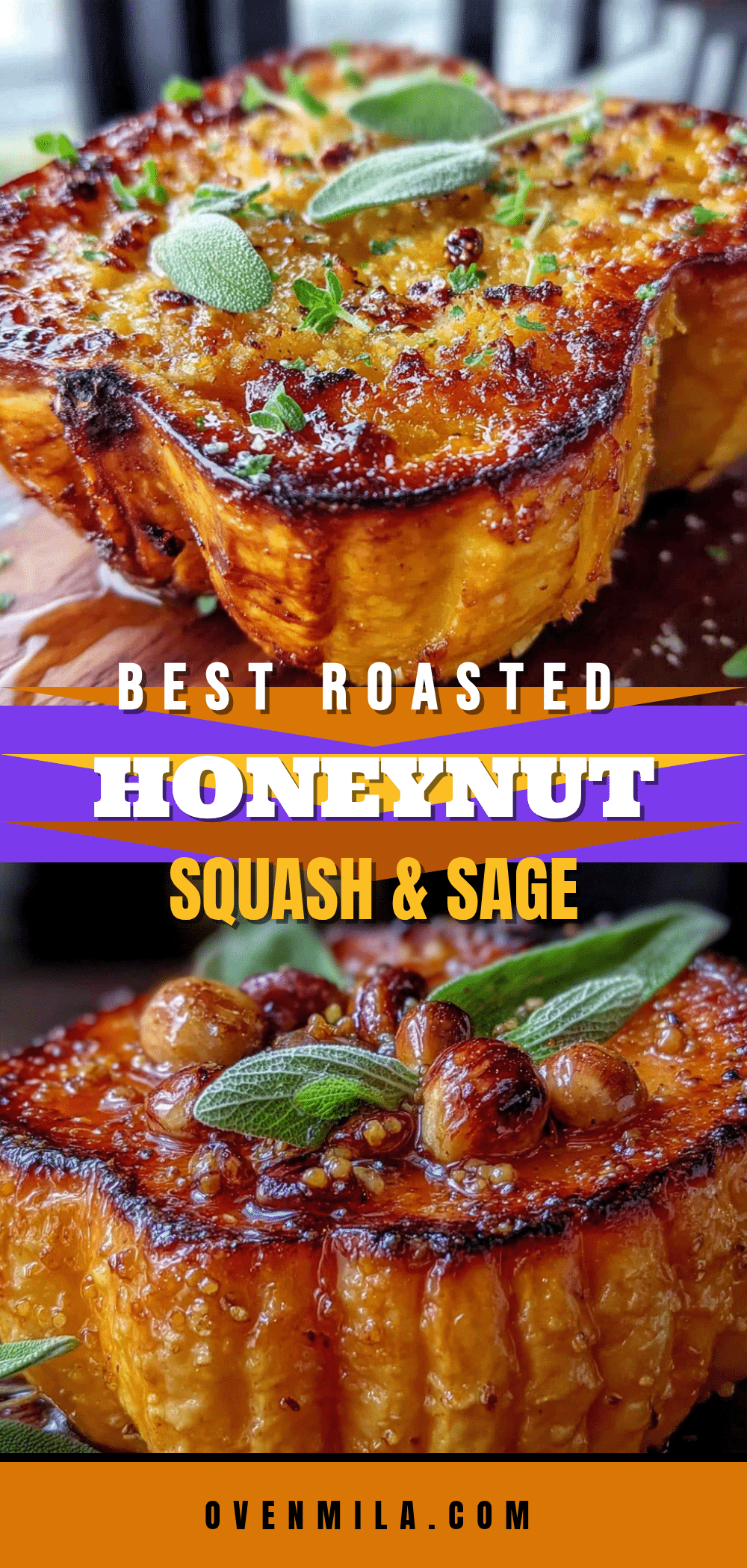
Best Roasted Honeynut Squash with Brown Butter & Sage

This roasted honeynut squash with brown butter and sage is a simple yet elegant fall side dish. The squash becomes incredibly creamy and tender, while the nutty brown butter and crispy sage add a rich, aromatic finish that will impress any guest.
- Prep Time: 10 minutes
- Cook Time: 30 minutes
- Total Time: 40 minutes
- Yield: 4 servings 1x
- Category: Side Dish
- Cuisine: American
Ingredients
- 2–3 medium honeynut squash
- 4 tablespoons unsalted butter
- 10–12 fresh sage leaves
- 2 tablespoons extra-virgin olive oil
- 1 teaspoon kosher salt (Diamond Crystal preferred)
- ½ teaspoon freshly ground black pepper
- 1 tablespoon maple syrup (optional)
- Flaky sea salt (for finishing, like Maldon)
Instructions
- Preheat your oven to 400°F (200°C). Place a rack in the middle of the oven. Line a large baking sheet with parchment paper.
- Rinse the honeynut squash under cold water and pat dry. Using a sharp chef’s knife, carefully cut each squash in half lengthwise. Use a spoon to scoop out the seeds and stringy pulp.
- Drizzle the cut sides of the squash halves with olive oil. Use your hands or a brush to coat the flesh evenly. Season generously with kosher salt and black pepper. Place the squash halves cut-side down on the prepared baking sheet.
- Roast the squash for 20 to 25 minutes, until the flesh is tender and easily pierced with a fork.
- While the squash roasts, make the brown butter. Place a small saucepan over medium heat. Add the 4 tablespoons of unsalted butter. Let it melt completely, swirling the pan occasionally. The butter will start to foam and crackle. After a few minutes, the foam will subside, and you will see little brown specks forming at the bottom of the pan. The butter will smell nutty and toasty. Immediately remove the pan from the heat. Stir in the fresh sage leaves. If using maple syrup, stir it in now. Set a…
- Once the squash is tender, carefully remove the baking sheet from the oven. Using tongs, flip each squash half over so they are cut-side up. Drizzle the brown butter and sage mixture evenly over the cut sides of the squash.
- Return the baking sheet to the oven and roast for another 5 to 10 minutes, until the squash is glazed and the edges are starting to caramelize.
- Remove the squash from the oven and let it rest for 2 minutes. Transfer the squash halves to a serving platter. Spoon any remaining brown butter from the pan over the top. Finish with a generous sprinkle of flaky sea salt. Serve warm.
Notes
Don’t crowd the pan; give the squash halves breathing room to ensure caramelization. Watch the brown butter carefully as it can go from perfect to burnt in seconds. Use a light-colored pan for the butter to easily see the color change. Test squash doneness with a knife; it should slide in with little resistance. Leftovers can be stored in an airtight container in the refrigerator for up to 4 days. Reheat in a 350°F (175°C) oven for about 10 minutes.
Nutrition
- Serving Size: 1 squash half
- Calories: 210
- Sugar: 8
- Sodium: 600
- Fat: 14
- Saturated Fat: 8
- Carbohydrates: 22
- Fiber: 4
- Protein: 2
Keywords: roasted honeynut squash, brown butter sage squash, fall side dish, Thanksgiving squash, easy squash recipe