I was supposed to be making a slow-simmered Sunday ragù. The kind that fills your whole apartment with that deep, tomatoey smell and makes the neighbors jealous. I had the pancetta out, the good red wine breathing on the counter, and a full three hours ahead of me. Then my phone rang—my sister-in-law, Jen, letting me know she and my brother were on their way over. They were already twenty minutes out. My carefully planned evening of leisurely cooking just evaporated. I stared at the pancetta. I stared at the clock. Panic is a real thing in the kitchen, you know? The kind where you start grabbing things from the fridge without a plan, hoping your hands remember what your brain has forgotten.
I spotted a bag of frozen shrimp in the freezer, a leftover from a beach trip months ago. I grabbed it, along with a head of garlic that was starting to sprout little green shoots. The wine went back in the rack. The pancetta got wrapped up for another day. I was already chopping garlic when I realized I had no idea what I was making—just that it needed to be fast, it needed to be good, and it needed to look like I meant to do it. The pasta water went on to boil, the butter went into the pan, and honestly, I was just hoping for the best. I mean, I’ve had those moments where you throw things together and it’s… fine. Edible. Forgettable. I was bracing for fine.
But then the garlic hit the hot butter, and the smell that came up was just—different. Rich and nutty, not sharp. The shrimp went in, and they turned pink so fast I barely had time to season them. A squeeze of lemon, a handful of parsley, a splash of the pasta water to make it all saucy. I tossed the spaghetti in the pan, gave it one big swirl, and plated it up just as the doorbell rang. Jen took one bite and actually closed her eyes. My brother asked for seconds before he finished his first plate. That easy garlic butter shrimp pasta, born from a total kitchen meltdown, has become the dish I get texted about. “Can you make that shrimp thing for the party?” “What’s in that pasta again?” It’s the happy accident that stuck, the one I keep coming back to because it works every single time, and it makes me look like I actually know what I’m doing.
Why You’ll Love This Recipe
Let’s be real—when you’re hosting a dinner party, the last thing you need is a complicated recipe that chains you to the stove. This easy garlic butter shrimp pasta is the opposite of that. It’s the dish that lets you actually enjoy your own party.
- Quick & Easy: From start to finish, this comes together in about 15 minutes. That’s less time than it takes your guests to finish their first glass of wine. You can literally make this while they’re standing in your kitchen, and they’ll think you’re a magician.
- Simple Ingredients: Shrimp, garlic, butter, pasta, lemon, parsley, and a little salt and pepper. That’s it. No chasing down obscure ingredients at three different stores. You probably have most of this in your kitchen right now.
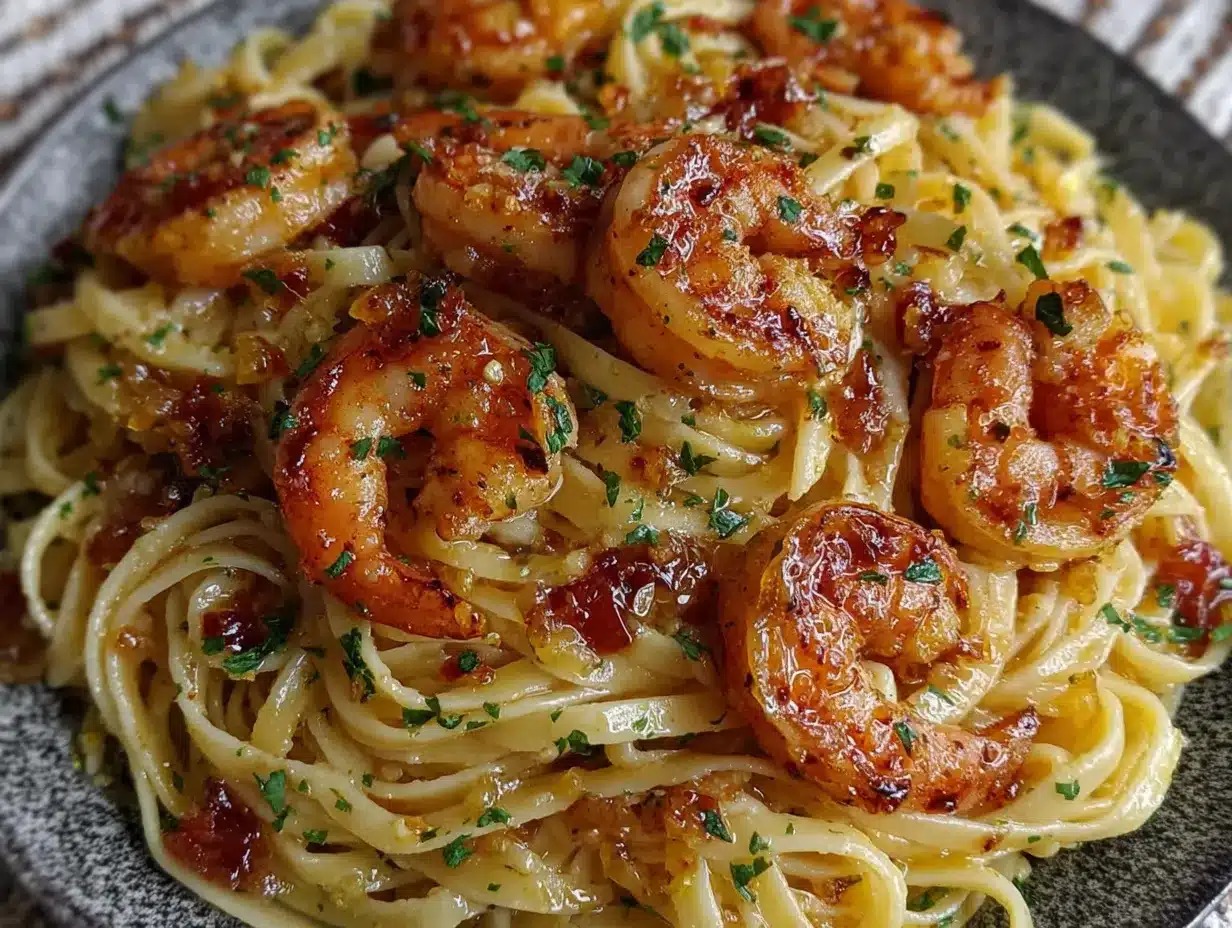
- Perfect for Hosting: This dish was made for dinner parties. It looks fancy—golden butter sauce, perfectly pink shrimp, a sprinkle of fresh herbs—but it’s secretly the easiest thing you’ll make all week. Serve it with a simple salad and some crusty bread, and you’ve got a meal that feels special without the stress.
- Crowd-Pleaser: I’ve served this to picky eaters, seafood lovers, and even people who claimed they “didn’t really like shrimp.” Every single plate came back clean. It’s one of those rare dishes that appeals to almost everyone.
- Unbelievably Delicious: The combination of nutty browned butter, sweet shrimp, and bright lemon is next-level. It’s comfort food that feels elegant, and the best part is that the flavor is way bigger than the effort you put in.
What makes this different from every other shrimp pasta recipe out there? It’s the technique. Most recipes have you cook the shrimp separately, then toss it all together at the end. Here, you cook the shrimp right in the garlic butter, letting them soak up all that flavor while they cook. Then you finish everything in the same pan, using a splash of pasta water to create a silky, emulsified sauce that clings to every strand of spaghetti. It’s not just another version—it’s the best version. The kind that makes you close your eyes after the first bite and forget you’re wearing an apron.
What Ingredients You Will Need
This recipe uses simple, everyday ingredients to deliver big, restaurant-quality flavor without any fuss. Here’s what you’ll need to grab:
For the Pasta:
- 12 ounces (340g) spaghetti or linguine – I prefer De Cecco or Barilla for their texture, but any good-quality pasta works. The long strands are perfect for twirling around that garlic butter sauce.
- Salt – For the pasta water. Don’t skimp here—this is your only chance to season the pasta from the inside out. It should taste like the sea.
For the Garlic Butter Shrimp:
- 1 pound (450g) large raw shrimp – Peeled and deveined. I like 21-25 count shrimp for this—big enough to feel substantial, but not so big they’re awkward to eat. Look for shrimp that are firm and smell like the ocean, not fishy. If you’re using frozen, thaw them overnight in the fridge or under cold running water.
- 4 tablespoons (56g) unsalted butter – Use the good stuff. This is the backbone of your sauce, and you want it to taste clean and rich. I use Kerrygold or Plugrà for the best flavor.
- 6 cloves garlic, minced – Fresh garlic is non-negotiable here. The pre-minced stuff in a jar just doesn’t have the same punch. Take the extra 30 seconds to do it yourself.
- 1/2 teaspoon red pepper flakes (optional) – This adds a gentle warmth, not real heat. Leave it out if you’re serving sensitive palates, but I think it makes the dish sing.
- Salt and freshly ground black pepper – To taste. Remember that the pasta water is salty, so go easy on the salt for the shrimp.
For the Sauce & Finish:
- 1/2 cup (120ml) reserved pasta water – This is liquid gold. The starchy water helps the butter and lemon juice come together into a silky, cohesive sauce that coats the pasta beautifully. Don’t drain your pasta without saving some.
- Juice of 1 lemon (about 2 tablespoons) – Fresh lemon juice only. The bottled stuff has a flat, artificial taste that will drag down your whole dish. Roll the lemon on the counter before juicing to get every drop.
- 1/4 cup (15g) fresh parsley, chopped – Flat-leaf or Italian parsley is best. It adds a fresh, herbaceous note that cuts through the richness of the butter.
- Optional: 1/4 cup (25g) grated Parmesan cheese – For serving. I know it’s not traditional with seafood pasta in Italy, but honestly, a little sprinkle of salty Parmesan is incredible here. Your call.
Equipment Needed
You don’t need a fancy kitchen to pull this off. Here’s what you’ll need:
- Large pot (6-8 quart) – For boiling the pasta. Make sure it’s big enough that the pasta has room to move around.
- Large skillet or sauté pan (12-inch) – This is where the magic happens. A wide pan gives the shrimp room to cook evenly and makes it easy to toss everything together. A non-stick or stainless steel pan both work great.
- Colander – For draining the pasta. But remember, you’re saving that pasta water, so have a liquid measuring cup or mug ready.
- Chef’s knife and cutting board – For mincing garlic and chopping parsley. A sharp knife makes this job so much easier.
- Wooden spoon or tongs – For stirring the shrimp and tossing the pasta. Tongs give you more control when combining everything in the pan.
- Liquid measuring cup – For scooping out that precious pasta water.
- Citrus juicer or reamer – Optional, but it makes juicing the lemon a breeze. I’ve used my hands in a pinch, and it works fine.
If you don’t have a 12-inch skillet, a large Dutch oven or even a wok will work. The key is having enough surface area to cook the shrimp in a single layer. If the pan is too crowded, the shrimp will steam instead of sear, and you’ll lose that beautiful golden-brown color.
Preparation Method
This whole dish comes together in about 15 minutes, so read through the steps once before you start. Trust me, it moves fast.
- Get your pasta water boiling. Fill your large pot with water—about 4 to 5 quarts—and bring it to a rolling boil over high heat. Add a generous tablespoon of salt. I mean it, be generous. The water should taste salty, like seawater. This is your only chance to season the pasta itself.
- Start cooking the pasta. Add the spaghetti or linguine to the boiling water. Stir it right away so the strands don’t stick together. Cook according to the package directions until al dente—usually about 8 to 10 minutes. You want it firm to the bite because it will continue cooking for a minute in the sauce. While the pasta cooks, get your skillet going.
- Melt the butter and cook the garlic. Place your large skillet over medium heat and add the 4 tablespoons of butter. Let it melt completely, then swirl the pan. The butter should be bubbling gently but not browning too fast. Add the minced garlic and the red pepper flakes (if using). Stir constantly for about 30 to 45 seconds, until the garlic is fragrant and just starting to turn golden. Don’t walk away—garlic burns in seconds, and burnt garlic tastes bitter and ruins the whole dish.
- Cook the shrimp. Add the shrimp to the skillet in a single layer. Season them with a pinch of salt and a few grinds of black pepper. Let them cook undisturbed for 1 to 2 minutes, until the bottoms are pink and lightly golden. Flip each shrimp and cook for another 1 to 2 minutes on the other side. The shrimp should be pink all the way through and just starting to curl into a loose C-shape. If they curl into a tight O, you’ve overcooked them. Remove the shrimp from the skillet with a slotted spoon or tongs and set them aside on a plate.
- Reserve the pasta water. Just before the pasta is done, scoop out about 1 cup of the starchy pasta water using your liquid measuring cup. Set it aside. Then drain the pasta in the colander. Don’t rinse it—you want that starch to help the sauce stick.
- Make the sauce. With the skillet still over medium heat, add about 1/2 cup of the reserved pasta water to the pan. Use a wooden spoon to scrape up any browned bits from the bottom—that’s pure flavor. Let it simmer for about 30 seconds, then squeeze in the juice of one lemon. Stir to combine. The sauce should look a little thin and cloudy at this point, but don’t worry—it will come together when you add the pasta.
- Combine everything. Add the drained pasta directly to the skillet with the sauce. Use tongs to toss and coat the pasta evenly. The starchy water and butter should emulsify into a silky, glossy sauce that coats every strand. If the sauce seems too thick, add another splash of pasta water. If it seems too thin, let it simmer for another 30 seconds to reduce.
- Return the shrimp. Add the cooked shrimp back to the skillet, along with the chopped parsley. Toss everything together gently for about 30 seconds, just until the shrimp are heated through. Taste and adjust seasoning—maybe another pinch of salt or a squeeze of lemon.
- Serve immediately. Divide the pasta among warm plates or a large serving platter. If you’re using Parmesan, sprinkle it over the top. Garnish with extra parsley and a lemon wedge if you’re feeling fancy. Serve right away while it’s hot and the sauce is still silky.
Cooking Tips & Techniques
I’ve made this easy garlic butter shrimp pasta more times than I can count, and I’ve learned a few things along the way. Here are the tricks that make the difference between good and unforgettable.
Don’t overcook the shrimp. This is the number one mistake I see. Shrimp cook incredibly fast—we’re talking 2 to 3 minutes total. The moment they turn pink and opaque, they’re done. Overcooked shrimp turn rubbery and tough, and there’s no fixing that. If you’re nervous, pull them off the heat a few seconds early. Residual heat will finish the job.
Use cold butter for a better sauce. Here’s a pro tip: instead of adding all the butter at the beginning, try adding half at the start to cook the garlic and shrimp, then add the other half at the very end, off the heat. Swirl it in until it melts. This gives you a richer, more emulsified sauce that feels luxurious on the tongue. I learned this from a chef friend after one too many broken sauces.
Season the pasta water properly. I cannot stress this enough. If your pasta water isn’t salty, your final dish will taste flat no matter how much you season the sauce. The pasta absorbs the salt as it cooks, seasoning it from the inside. You can’t fix bland pasta after it’s cooked.
Timing is everything. This dish comes together so fast that you need to have everything prepped before you start. Mince the garlic, chop the parsley, juice the lemon, and have the shrimp thawed and patted dry. Once that pasta goes in the water, you don’t have time to be hunting for a measuring cup. I learned this the hard way—burnt garlic, cold pasta, and a very stressed-out host.
Reserve more pasta water than you think you need. I always save a full cup, even though the recipe only calls for half. Sometimes the sauce needs a little extra liquid to come together, especially if your pasta is particularly starchy or your lemon is extra juicy. It’s better to have it and not need it than to be scrambling for more.
Variations & Adaptations
This recipe is incredibly flexible. Here are a few ways to make it your own:
Make it gluten-free: Swap the regular spaghetti for your favorite gluten-free pasta. Just be careful not to overcook it—gluten-free pasta can go from al dente to mushy very quickly. Reserve the pasta water as usual; it will still help the sauce come together.
Add vegetables: Toss in a handful of fresh spinach or arugula right at the end, just before you add the shrimp. The residual heat will wilt it perfectly. You can also add halved cherry tomatoes along with the garlic for a burst of sweetness, or some sautéed mushrooms for an earthy twist.
Make it dairy-free: Substitute the butter with a good-quality vegan butter or a generous glug of extra-virgin olive oil. The sauce won’t be as rich, but it will still be delicious. I’ve made it this way for a friend with a dairy allergy, and it was a hit.
Swap the protein: Not a shrimp fan? This same garlic butter sauce works beautifully with scallops, chunks of firm white fish like cod or halibut, or even sliced chicken breast. Just adjust the cooking time as needed—scallops cook in about the same time as shrimp, but chicken will need a few extra minutes.
Add a little heat: If you like things spicy, increase the red pepper flakes to a full teaspoon, or add a finely chopped fresh chili (like a serrano or Thai bird chili) along with the garlic. The heat pairs beautifully with the lemon and butter.
Go creamy: For an indulgent twist, stir in a splash of heavy cream (about 1/4 cup) right after you add the pasta water. Let it simmer for a minute to thicken slightly before adding the shrimp. You’ll end up with a lush, creamy garlic butter sauce that feels extra decadent for special occasions.
Serving & Storage Suggestions
This easy garlic butter shrimp pasta is best served immediately, while the sauce is still glossy and the shrimp are perfectly tender. But here’s how to handle it if you’re planning ahead or have leftovers.
Serving Temperature & Presentation: Serve this pasta hot, straight from the pan. For a dinner party, I like to pile it onto a large, warm platter and let guests serve themselves family-style. Garnish with a generous sprinkle of fresh parsley, a few lemon wedges on the side, and maybe a light dusting of red pepper flakes for color. It looks stunning with minimal effort.
What to Serve Alongside: This dish is rich and satisfying on its own, but it pairs beautifully with a simple green salad dressed with lemon vinaigrette. Crusty bread is a must for sopping up any leftover garlic butter sauce from the bottom of the bowl. A crisp white wine like Sauvignon Blanc or Pinot Grigio is the perfect drink pairing—the acidity cuts through the butter and complements the shrimp.
Storage Instructions: If you have leftovers, store them in an airtight container in the refrigerator for up to 2 days. The pasta will absorb some of the sauce as it sits, so don’t expect it to be quite as silky when reheated. To reheat, place the pasta in a skillet over medium-low heat with a splash of water or broth. Toss gently until warmed through. Avoid the microwave if you can—it tends to make the shrimp rubbery.
Freezer Notes: I don’t recommend freezing this dish. The texture of the shrimp and the sauce both suffer when thawed. If you want to meal prep, cook the pasta and shrimp separately, then combine them fresh when you’re ready to serve.
Flavor Development: The flavors actually meld nicely after a few hours in the fridge. I’ve been known to make a double batch on purpose, just so I can eat the leftovers cold straight from the container the next day. Don’t judge me until you’ve tried it.
Nutritional Information & Benefits
Here’s an approximate nutritional breakdown for one serving (based on 4 servings, without Parmesan):
- Calories: 520
- Protein: 32g
- Fat: 16g
- Saturated Fat: 9g
- Carbohydrates: 62g
- Fiber: 3g
- Sugar: 2g
- Sodium: 720mg
Health Benefits: Shrimp is an excellent source of lean protein, providing about 20 grams per 3-ounce serving. It’s also rich in selenium, an important antioxidant, and vitamin B12, which supports nerve health. Garlic is known for its immune-boosting properties, and the lemon juice adds a dose of vitamin C. While this dish is not low in calories, it’s a balanced meal with protein, carbs, and healthy fats—perfect for when you want something satisfying without feeling weighed down.
Dietary Considerations: This recipe is naturally low in sugar and can be made gluten-free and dairy-free with simple substitutions (see Variations section). It contains shellfish, so it’s not suitable for those with shellfish allergies. If you’re watching your sodium, use unsalted butter and go easy on the salt in the pasta water.
Conclusion
This easy garlic butter shrimp pasta is proof that the best recipes don’t come from a perfectly planned kitchen—they come from a moment of panic and a leap of faith. It’s the dish I turn to when I want to impress without the stress, when I need something fast that still feels special, and when I want to actually sit down and enjoy my own dinner party. It’s forgiving, it’s flexible, and it always, always delivers.
I hope you make this your own. Toss in extra garlic if you’re feeling bold. Add a splash of white wine if you have an open bottle. Serve it with a ridiculous amount of Parmesan and a side of crusty bread. The beauty of this recipe is that it’s a starting point, not a rulebook. So go ahead—make a mess, taste as you go, and don’t be afraid to tweak it. That’s how the best kitchen stories start.
If you make this easy garlic butter shrimp pasta, I’d love to hear about it. Drop a comment below and tell me how it turned out, or share your own twist on it. Did you add something unexpected? Did your guests ask for the recipe? I want to know. And if you’re looking for more crowd-pleasing dinner ideas, check out my creamy lemon chicken pasta or this garlic butter salmon foil packs recipe—they’re both perfect for hosting.
Now go make some magic in that kitchen of yours. You’ve got this.
Frequently Asked Questions
Can I use frozen shrimp for this recipe?
Absolutely. Just make sure to thaw them completely before cooking. The best way is to place them in a colander under cold running water for about 5 minutes, then pat them very dry with paper towels. Excess moisture will cause the butter to splatter and prevent the shrimp from browning properly.
What kind of pasta works best?
Long, thin pasta like spaghetti, linguine, or angel hair is ideal. The sauce clings beautifully to these shapes. But honestly, any pasta works—I’ve made it with penne and fusilli in a pinch, and it was still delicious. Just adjust the cooking time according to the package.
Can I make this ahead of time for a party?
You can prep the ingredients ahead—mince the garlic, chop the parsley, juice the lemon, and have the shrimp thawed and ready. But I don’t recommend cooking the full dish more than 15 minutes before serving. The pasta absorbs the sauce and the shrimp can get tough. For a party, cook everything right before your guests sit down, or set up a pasta station and let everyone serve themselves.
How do I keep the garlic from burning?
Keep the heat at medium and stir constantly. Garlic burns in seconds if the pan is too hot or if you walk away. If you see the garlic turning dark brown, pull the pan off the heat immediately and add a splash of pasta water to cool it down. Burnt garlic will make your whole dish taste bitter, so it’s better to err on the side of caution.
Can I double this recipe?
Yes, but you’ll need a larger pan. If you crowd the shrimp, they’ll steam instead of sear, and you’ll lose that beautiful golden color. Use a 14-inch skillet or cook the shrimp in two batches. Everything else can be scaled up easily—just remember to reserve extra pasta water, as you’ll need more sauce to coat double the pasta.
Pin This Recipe!
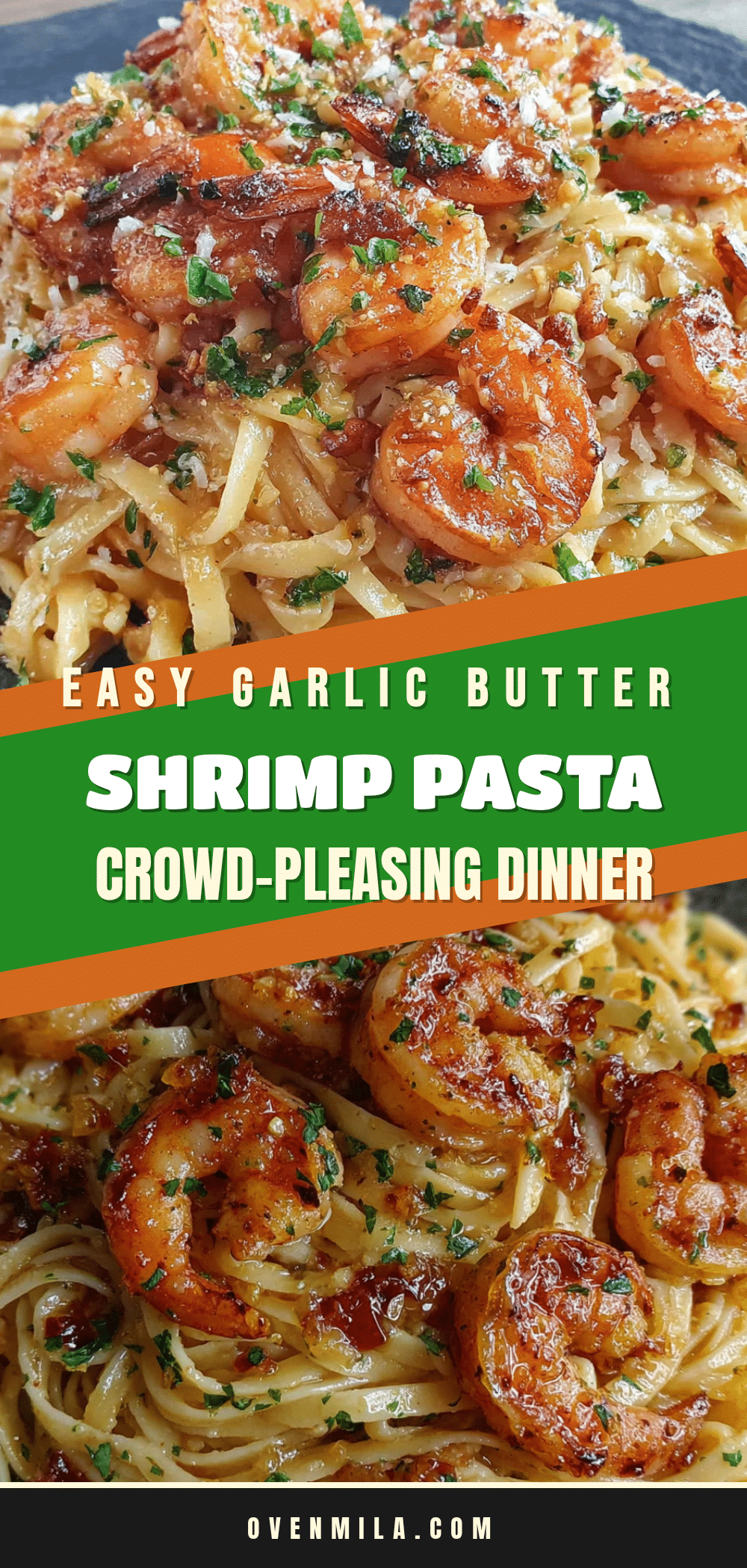
Easy Garlic Butter Shrimp Pasta: Best 15-Minute Dinner
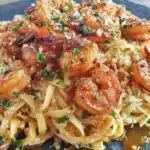
This easy garlic butter shrimp pasta is the perfect quick and delicious dinner, ready in just 15 minutes. Made with simple ingredients like shrimp, garlic, butter, and lemon, it’s a crowd-pleaser that looks fancy but is secretly easy to make.
- Prep Time: 5 minutes
- Cook Time: 10 minutes
- Total Time: 15 minutes
- Yield: 4 servings 1x
- Category: Main Course
- Cuisine: Italian-American
Ingredients
- 12 ounces (340g) spaghetti or linguine
- Salt, for pasta water
- 1 pound (450g) large raw shrimp, peeled and deveined
- 4 tablespoons (56g) unsalted butter
- 6 cloves garlic, minced
- 1/2 teaspoon red pepper flakes (optional)
- Salt and freshly ground black pepper, to taste
- 1/2 cup (120ml) reserved pasta water
- Juice of 1 lemon (about 2 tablespoons)
- 1/4 cup (15g) fresh parsley, chopped
- Optional: 1/4 cup (25g) grated Parmesan cheese, for serving
Instructions
- Bring a large pot of water to a rolling boil over high heat. Add a generous tablespoon of salt.
- Add the spaghetti or linguine to the boiling water and cook according to package directions until al dente, about 8 to 10 minutes.
- While the pasta cooks, place a large skillet over medium heat and add the butter. Let it melt completely, then add the minced garlic and red pepper flakes (if using). Stir constantly for 30 to 45 seconds until fragrant.
- Add the shrimp to the skillet in a single layer. Season with a pinch of salt and black pepper. Cook undisturbed for 1 to 2 minutes until bottoms are pink, then flip and cook another 1 to 2 minutes. Remove shrimp and set aside.
- Just before the pasta is done, reserve about 1 cup of pasta water. Drain the pasta (do not rinse).
- To the same skillet over medium heat, add 1/2 cup of reserved pasta water. Scrape up any browned bits, then stir in the lemon juice.
- Add the drained pasta to the skillet and toss with tongs to coat evenly. If the sauce is too thick, add more pasta water; if too thin, let simmer for 30 seconds.
- Return the shrimp to the skillet along with the chopped parsley. Toss gently for 30 seconds until heated through. Adjust seasoning to taste.
- Serve immediately, topped with Parmesan if desired, and garnish with extra parsley and lemon wedges.
Notes
Don’t overcook the shrimp; they cook in 2-3 minutes total. For a richer sauce, add half the butter at the start and the other half at the end off the heat. Season pasta water generously—it should taste like seawater. Prep all ingredients before starting as the dish comes together quickly. Reserve more pasta water than you think you need.
Nutrition
- Serving Size: 1 serving (without P
- Calories: 520
- Sugar: 2
- Sodium: 720
- Fat: 16
- Saturated Fat: 9
- Carbohydrates: 62
- Fiber: 3
- Protein: 32
Keywords: garlic butter shrimp pasta, easy shrimp pasta, 15 minute dinner, shrimp pasta recipe, quick pasta dinner